Your walls take a beating every day from dirt, moisture, and general wear and tear. Over time, the protective coating on painted surfaces breaks down, leaving them dull, damaged, and exposed to further harm. Coating paint restoration repairs and renews the protective layers on your walls, bringing back their original appearance while extending their lifespan.
Most people don’t realize that paint isn’t just for looks. The coating on your walls acts as a shield against moisture, stains, and everyday damage. When this protective layer fails, you’ll notice peeling, discoloration, or a chalky texture on your surfaces.
You don’t always need a complete repaint to fix damaged walls. Restoration focuses on repairing the existing coating and paint, which saves you time and money compared to starting from scratch. In this article, you’ll learn what coating paint restoration involves, how to spot when you need it, and what benefits it brings to your home.
- What coating paint restoration means
- Signs your walls need paint restoration
- Causes of coating and paint damage
- Professional coating paint restoration process
- Benefits of coating paint restoration
Keep reading to understand the full process of coating paint restoration so you can protect your walls, prevent costly damage, and know exactly when to call in professionals.
What coating paint restoration means
Coating paint restoration brings damaged or worn protective layers back to working condition without stripping everything down to bare material. This process fixes surface defects while keeping the original coating structure intact.
How protective coatings restore wall surfaces
Protective paint coatings work by creating a barrier between your wall surface and environmental damage. When you restore these coatings, you’re repairing that barrier instead of removing it completely.
The restoration process addresses specific problems like scratches, oxidation, and contamination. Technicians clean the surface first to remove dirt and bonded contaminants. Then they use controlled abrasion methods to smooth out defects in the existing coating layer.
For interior surface restoration, the process focuses on leveling micro-defects while preserving as much of the original protective coating as possible. This approach maintains the coating’s thickness and keeps its protective properties working. You get a refreshed surface that looks clean and functions properly without the waste of full replacement.
Difference between repainting and restoration
Repainting removes old coatings and applies entirely new layers of primer, paint, and protective finish. You start over from scratch with fresh materials covering the surface.
Restoration works with what’s already there. The existing coating stays on the surface while technicians repair and renew it. This method saves the protective coating thickness that took years to build up through multiple applications.
Key differences:
- Time: restoration takes less time than full repainting
- Cost: you spend less money on materials and labor with restoration
- Material use: restoration uses minimal new products compared to complete repainting
- Surface integrity: the original coating remains mostly intact during restoration
Common materials used in restoration coatings
Restoration work relies on compounds that blend with existing coatings. Polishing compounds remove light surface damage through gentle abrasion. These products come in different cut levels from heavy to fine finishing grades.
Protective paint coating restoration often uses polymer-based sealants that bond to the existing surface. These sealants fill minor imperfections and add a thin protective layer over the restored coating.
Standard restoration materials include:
- Rubbing compounds for defect removal
- Polish for surface smoothing
- Polymer sealants for added protection
- Specialized primers that bond to aged coatings
- Clear coat touch-up products for spot repairs
According to the U.S. EPA, paints, varnishes, and sealants release VOCs that can accumulate indoors at concentrations 2 to 5 times higher than outdoor levels, which makes adequate ventilation during any restoration coating application a critical health and safety step.
Professional services may apply specialized restoration compounds that permanently address surface damage. These advanced materials chemically bond with the existing coating to rebuild its protective properties without adding excessive thickness.
Signs your walls need paint restoration
Paint deterioration shows up in specific ways that signal the need for professional attention. Recognizing peeling surfaces, color changes, and water-related problems helps you address issues before they worsen.
Peeling, cracking, or bubbling paint
Peeling paint lifts away from the wall surface in chips or strips. This happens when paint loses its bond with the underlying material due to moisture, poor surface preparation, or age.
Cracking appears as fine lines or deeper splits in the paint film. Small cracks often result from normal aging, while larger cracks can indicate structural movement or multiple paint layers applied without proper preparation.
Bubbling creates raised areas on the wall that feel soft when pressed. These bubbles form when moisture gets trapped under the paint layer or when you apply paint to a damp surface. If you see any of these problems, you need damaged paint repair solutions that address both the visible issue and the underlying cause.
These conditions won’t improve on their own. They actually spread over time and expose the wall material to further damage. Knowing how to repaint fading interior walls before these conditions worsen is the most cost-effective approach.
Fading and discoloration on surfaces
Paint loses its color intensity over time, especially in rooms with direct sunlight. Darker colors fade faster than lighter ones because they absorb more UV radiation.
You’ll notice fading most clearly when you move furniture or artwork. The protected areas behind these items remain vibrant while exposed sections look dull and washed out.
Discoloration appears as yellow or brown patches that change the original paint color. This often happens in kitchens from cooking oils or in bathrooms from humidity. Smoke and certain cleaning products also cause discoloration that penetrates the paint film.
When fading or discoloration becomes obvious, simple cleaning won’t restore the original appearance. The paint itself has changed and requires replacement to look fresh again. A soft interior wall makeover using layered color techniques is one approach professionals use to correct uneven tone across affected surfaces.
Moisture or water damage marks
Water stains show up as brown, yellow, or gray spots on your walls. These marks indicate either past or ongoing moisture problems from leaks, condensation, or flooding.
You might see dark spots or patches where mold grows behind or on top of the paint. Mold appears when moisture stays present long enough for spores to establish colonies.
Chalking creates a powdery residue on the wall surface that rubs off on your hand. This breakdown of the paint binder happens from water exposure and leaves the wall protection compromised.
Before repainting water-damaged areas, you must fix the moisture source. Otherwise, new paint will fail in the same way. Professional restoration addresses both the water problem and the damaged coating.
Causes of coating and paint damage
Paint and coating damage happens for specific reasons that you can identify and address. Moisture problems, poor application methods, and daily wear each break down protective layers in different ways.
Humidity and moisture exposure
Water is one of the biggest threats to paint and coating systems. When moisture gets trapped under the surface, it creates pressure that pushes the paint away from the material underneath. This causes bubbling, peeling, and blistering that weakens the entire coating.
High humidity slows down drying times and stops paint from bonding correctly to surfaces. In areas with constant dampness, water seeps through tiny cracks and creates rust on metal or rot on wood. These problems spread quickly once they start.
According to the U.S. EPA, indoor relative humidity above 60 percent is likely to result in condensation on building surfaces, which creates the moisture conditions that lead directly to paint failure and mold growth behind walls. You need proper ventilation and moisture barriers to stop these issues before they cause serious damage.
Condensation from temperature changes also damages coatings over time. When warm, moist air hits cooler surfaces, water droplets form and sit on the paint. This constant cycle of wet and dry conditions breaks down even high-quality coatings.
Aging or low-quality paint application
Poor surface preparation causes most coating failures. If you apply paint over dirt, grease, or loose material, it cannot stick properly to the surface. The coating will fail quickly no matter how good the paint quality is.
Applying paint too thick creates internal stress as the surface dries faster than the layers underneath. This leads to cracking, wrinkling, and splitting. Using cheap or expired paint gives you thin coverage and poor protection that breaks down within months instead of years.
Skipping primer or using the wrong type for your surface also causes adhesion problems. Each material needs specific preparation and compatible products to create a lasting bond. For homes with walls already showing wear, following best practices for prep and repair on interior walls before applying any restoration coating dramatically extends the life of the finished result.
Physical wear and surface abrasion
Daily contact wears down paint through friction and impact. High-traffic areas show damage first as people, equipment, and objects scrape against surfaces. This removes the protective coating layer by layer until the base material shows through.
Scratches and chips expose the surface underneath to moisture and chemicals. Even small damage points become bigger problems as water enters and spreads beneath the coating. Metal surfaces start rusting, and wood begins deteriorating at these weak spots.
Repeated cleaning with harsh chemicals or abrasive tools speeds up coating breakdown. You need to balance keeping surfaces clean with protecting the paint layer from unnecessary wear.
Professional coating paint restoration process
Professional coating paint restoration follows a structured approach that addresses surface damage through cleaning, repair work, and protective coating application.
Surface cleaning and damage assessment
Before any restoration work begins, professionals thoroughly clean the surface to reveal the true condition of the coating. They remove dirt, grime, and loose paint using appropriate cleaning solutions and tools. This step exposes underlying issues that might not be visible on a dirty surface.
The damage assessment phase identifies specific problems like cracks, peeling, oxidation, and discoloration. Professionals examine the coating depth and adhesion strength to determine how much material needs removal. They note areas where the coating has failed completely versus spots that only need minor correction.
This evaluation determines which restoration techniques will work best for your project. Paint restoration services use specialized tools to measure coating thickness and detect moisture trapped beneath the surface. The assessment creates a roadmap for all repair work that follows.
Repairing and preparing wall surfaces
Wall coating repair starts with removing damaged sections of paint or coating. Professionals scrape away loose material and sand rough edges to create smooth transitions. They fill cracks and holes with appropriate fillers that match the original surface texture.
The surface receives thorough sanding to ensure proper adhesion of new coatings. Professionals clean away all dust and debris after sanding. They may apply primer to bare spots or areas where the original coating was completely removed.
According to the U.S. EPA, wet or damp materials that are dried within 24 to 48 hours after a leak or spill will not develop mold in most cases, which means any water damage found during this phase must be fully resolved and dried before restoration coatings are applied.
Any structural issues get addressed before new coatings go on. This includes fixing water damage, treating mold, and ensuring the wall surface is stable and dry.
Applying restoration coatings evenly
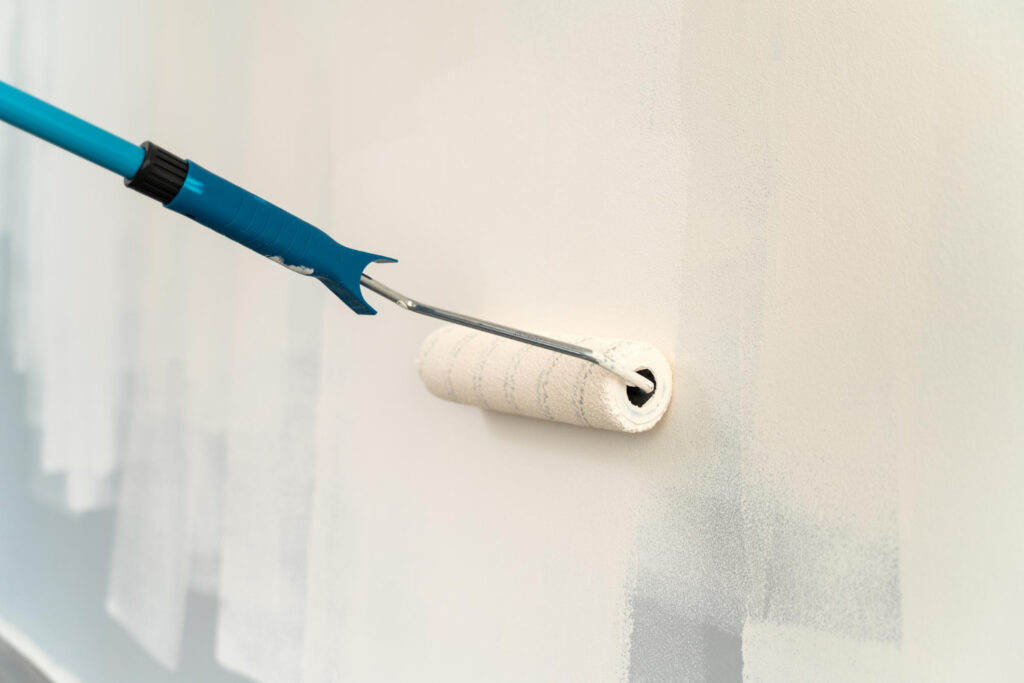
Professional application requires proper tools and techniques to achieve a uniform finish. Spray equipment, brushes, or rollers are selected based on the coating type and surface area. Professionals apply coatings in thin, even layers rather than one thick coat.
Each layer needs adequate drying time before the next application. The number of coats depends on the damage severity and desired finish quality. Temperature and humidity levels are monitored throughout the process to ensure proper curing.
The final protective coating seals the restoration work and provides long-term durability. Professionals may apply ceramic coatings, sealants, or specialized protective products that resist future damage and fading. For spaces with decorative interior painting elements already in place, this final seal coat is especially important to protect the finish from daily wear.
Benefits of coating paint restoration
Coating paint restoration offers significant advantages for both residential and commercial properties. The process saves money compared to full replacement while delivering professional results that last for years.
Extended lifespan of interior walls
Applying restoration coatings adds years to your walls without the need for expensive demolition and reconstruction. These specialized coatings create a protective barrier that prevents common issues like moisture damage, cracking, and peeling. Your walls gain durability that stands up to daily wear and tear.
The restoration process addresses existing damage before applying new coatings. This means you fix underlying problems rather than just covering them up. Field-applied coatings eliminate the expense and disruption of removing and replacing wall materials entirely.
Most restoration coatings last between 10 to 15 years with proper maintenance. This extended timeline means fewer renovation projects and lower long-term costs for your property.
Improved appearance and finish quality
Restoration coatings transform dull, worn surfaces into smooth, attractive finishes. The process removes visible imperfections like stains, discoloration, and minor surface damage. You get a fresh, clean look that matches or exceeds the original appearance.
Professional restoration techniques include surface preparation and multiple coating layers. Each layer serves a specific purpose in building up the final finish. The result is a uniform appearance across all treated surfaces.
Common finish improvements include:
- Elimination of water stains and yellowing
- Smooth, even color throughout
- Enhanced depth and richness of tone
- Reduced visibility of patches and repairs
- Added protection against future damage
Restoration coatings create a defensive shield against environmental threats and physical damage. These protective layers resist moisture penetration, which prevents mold growth and structural deterioration. Your walls become more resilient to everyday impacts and abrasions.
Modern coating formulations include UV-resistant properties that prevent fading and chalking. This protection maintains color integrity even in areas with direct sunlight exposure. The coatings also resist common household chemicals and cleaning products.
The protective barrier simplifies future maintenance and cleaning. Dirt and stains wipe away more easily from coated surfaces. For living areas and hallways where walls see the most contact, pairing restoration work with a professional interior painting service ensures both durability and a finish that holds up long-term. You spend less time and effort keeping your walls looking good between major restoration projects.
Wrapping up your restoration project
Paint restoration gives you a practical way to bring back your walls’ appearance without paying for a complete paint job. You can tackle minor oxidation and fading with the right products and techniques.
Your restored paint won’t last forever without proper care. You need to protect it with sealants or specialized protective coatings. These products create a barrier against UV rays, moisture, and everyday damage.
Regular maintenance extends your results significantly. Cleaning walls properly and reapplying protection as needed keeps the surface looking fresh. Addressing small chips or scuffs quickly prevents larger failures later.
You should understand your limits when choosing between DIY and professional work. Simple surface cleaning and minor touch-ups work well as DIY projects. Deeper coating failure or severe moisture damage requires professional equipment and expertise.
Your investment in coating paint restoration makes sense when the underlying wall surface remains structurally sound. You’ll see the best results by combining proper technique with ongoing maintenance. Contact Greenhaus today to assess your walls and get a professional restoration plan that protects your surfaces for years to come.