The kitchen is often the most used room in a home, which means it is also one of the first spaces to show its age. Over time, cabinets become scratched, faded, stained, or simply outdated. For many Connecticut homeowners, the question eventually becomes whether to repaint existing cabinets or invest in a complete replacement.
The debate around cabinet painting vs replacement CT is not just about aesthetics. It is about balancing budget, functionality, long-term value, and the overall goals of your kitchen renovation project. While a full cabinet replacement can completely transform a space, it also comes with significant costs, longer timelines, and more disruption. Cabinet painting, on the other hand, can dramatically update the look of a kitchen at a fraction of the investment when the existing cabinets are still structurally sound.
The right choice depends on several factors, including cabinet condition, layout satisfaction, renovation goals, and budget constraints. Understanding the advantages and limitations of both options can help homeowners make a decision that aligns with their needs rather than following renovation trends.
Here’s what you’ll learn:
- When your kitchen starts feeling outdated but a full remodel feels like too much
- The cost gap that makes homeowners second-guess a full cabinet replacement
- Why cabinet painting works better in some kitchens than others
- When replacement is unavoidable even if painting sounds easier
Keep reading to understand the key cost and condition factors that determine whether cabinet painting or full replacement is the right move for your Connecticut home.
When your kitchen starts feeling outdated but a full remodel feels like too much
Many homeowners begin considering kitchen updates long before they are ready for a full renovation. Often, the kitchen still functions well, but the visual appearance no longer matches the rest of the home or current design preferences.
This creates a common dilemma: the kitchen feels tired and outdated, yet replacing everything seems excessive.
The moment cabinets, not layout, become the real frustration
In many kitchens, the actual floor plan works perfectly fine. Appliances are in the right locations, workflow remains efficient, and storage capacity is adequate.
The real issue is often the cabinetry itself.
Signs that cabinets have become the primary source of dissatisfaction include:
- Faded or yellowed finishes
- Visible scratches and dents
- Outdated stain colors
- Worn hardware and hinges
- Mismatched design styles compared to the rest of the home
When homeowners say they dislike their kitchen, they are frequently reacting to the appearance of the cabinets rather than the functionality of the space.
This distinction is important because it often means replacement may not be necessary.
Why “just living with it” usually lasts longer than expected
Many homeowners postpone kitchen improvements because they assume the only meaningful solution is a complete remodel.
Common thoughts include:
- “We will renovate someday.”
- “It is not worth spending money unless we redo everything.”
- “The cabinets are ugly, but they still work.”
Unfortunately, “someday” often turns into several years.
During that time, homeowners continue using a kitchen they dislike every day. What initially felt like a temporary compromise becomes a long-term source of frustration.
One reason kitchen cabinet refinishing CT projects have become increasingly popular is that they provide a practical middle ground between doing nothing and undertaking a major renovation.
How visual wear changes how you experience the entire kitchen
The appearance of cabinetry has a significant impact on how a kitchen feels.
Cabinets typically occupy:
- The largest visual surface area in the room
- Most of the eye-level design space
- The primary focal points along walls
As finishes deteriorate, homeowners often perceive the entire kitchen as older than it actually is.
Visual wear may include:
- Chipped paint
- Faded stain
- Grease buildup around handles
- Surface discoloration
- Minor cosmetic damage
Even when countertops, flooring, and appliances remain functional, aging cabinets can make the entire room feel neglected.
Refreshing cabinet finishes often creates a surprisingly dramatic transformation without changing the layout at all.
The cost gap that makes homeowners second-guess a full cabinet replacement
One of the biggest factors in the cabinet painting vs replacement CT decision is cost.
While both options improve kitchen appearance, the financial investment differs substantially.
Why replacement costs escalate beyond the cabinets themselves
Many homeowners initially focus on cabinet pricing alone when considering replacement. However, cabinetry is only one component of the total project cost.
A cabinet replacement project often includes:
- Cabinet purchase and delivery
- Demolition of existing cabinets
- Disposal fees
- Installation labor
- Countertop removal and replacement
- Plumbing modifications
- Electrical adjustments
- Drywall repairs
- Backsplash replacement
As a result, the cabinet replacement cost Connecticut homeowners encounter is frequently much higher than expected. According to the U.S. Census Bureau, the median homeowner expenditure on kitchen remodeling is $6,000, but that figure reflects a wide range of project scopes. Full cabinet replacements that trigger countertop, plumbing, and drywall work consistently land at the higher end of that range.
Even a relatively straightforward cabinet replacement project can trigger additional renovations simply because existing components must be removed or modified.
What painting can realistically achieve for a fraction of the price
Professional cabinet painting offers a different approach.
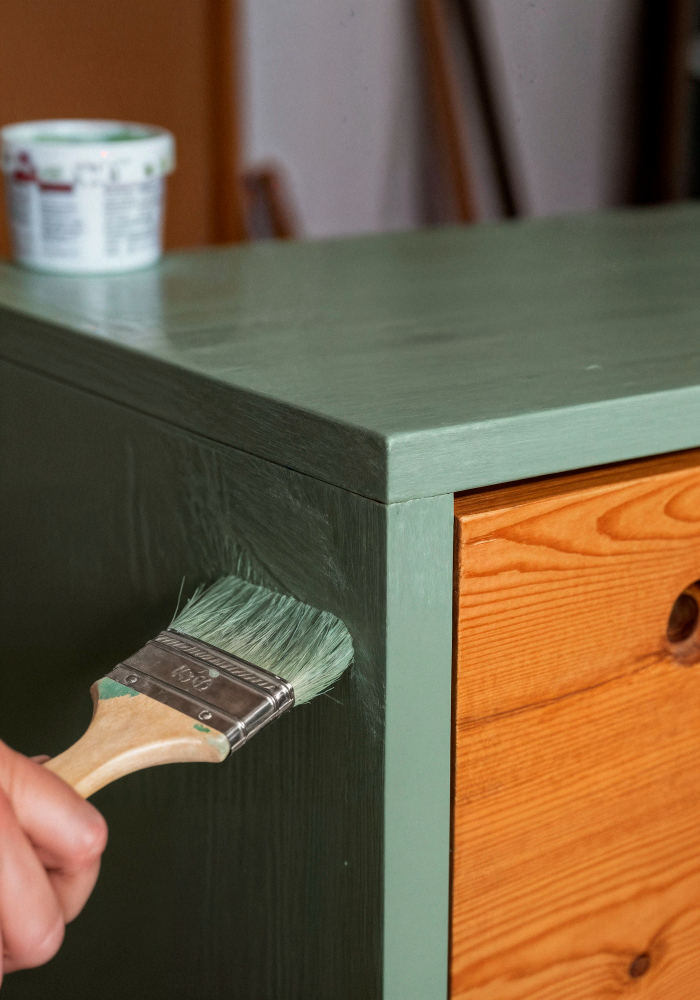
Rather than replacing cabinetry, the process focuses on transforming the existing surfaces through:
- Thorough cleaning and degreasing
- Surface preparation
- Sanding and adhesion enhancement
- Professional primer application
- Durable cabinet-grade coatings
- Reassembly and finishing
The result can dramatically alter the appearance of the kitchen while preserving existing cabinet boxes and layout.
Benefits include:
- Lower overall project cost
- Faster completion timeline
- Minimal disruption to daily life
- Preservation of functional cabinetry
- Significant aesthetic improvement
When cabinets are structurally sound, professional painting often delivers a return on investment that exceeds many larger renovation projects.
When budget matters more than total redesign
Not every homeowner needs a complete kitchen transformation.
In many cases, priorities include:
- Improving appearance before selling a home
- Updating outdated finishes
- Modernizing color schemes
- Refreshing a recently purchased property
- Enhancing enjoyment of the space without overspending
For these situations, cabinet painting can be one of the most effective kitchen remodel alternatives CT homeowners can choose.
Rather than allocating a large budget to full replacement, homeowners can achieve meaningful visual improvement while reserving funds for other upgrades.
Why cabinet painting works better in some kitchens than others
Although cabinet painting offers substantial advantages, it is not appropriate for every kitchen. The success of the project depends heavily on the condition and construction of the existing cabinets.
The difference between structurally solid cabinets and failing ones
The best candidates for cabinet painting are cabinets that remain structurally sound.
Positive indicators include:
- Strong cabinet boxes
- Secure mounting to walls
- Functional doors and drawers
- Stable shelving systems
- Minimal water damage
Even if the finish looks outdated, structurally solid cabinets can often be transformed successfully through refinishing.
On the other hand, cabinets with major structural deterioration may not justify painting.
Signs of structural concerns include:
- Loose or separating cabinet boxes
- Sagging shelves
- Severe drawer alignment problems
- Broken framework components
- Extensive material degradation
The underlying structure must be capable of supporting long-term use after refinishing.
When wood type and surface condition change the outcome
Cabinet materials significantly influence refinishing results.
Common paint-friendly surfaces include:
- Solid wood cabinets
- Hardwood veneer cabinets
- Quality engineered wood cabinetry
Surface characteristics also matter.
Professional evaluation typically considers:
- Existing finish condition
- Previous paint layers
- Surface texture
- Damage severity
- Material stability
Some wood species naturally accept coatings more effectively than others. Likewise, heavily damaged surfaces may require extensive preparation to achieve a smooth, durable finish.
Understanding material compatibility helps ensure realistic expectations regarding final appearance.
Why prep work determines whether paint lasts years or months
One of the biggest differences between professional and amateur cabinet painting is preparation.
Cabinets endure constant exposure to:
- Grease
- Moisture
- Hand oils
- Food residue
- Repeated physical contact
Without proper preparation, coatings may fail quickly.
Professional cabinet painting contractors Connecticut homeowners trust typically follow detailed preparation procedures, including:
- Thorough cleaning and degreasing
- Surface sanding
- Repair of imperfections
- Primer application designed for adhesion
- Controlled coating systems
Preparation is often the most labor-intensive part of the project, but it directly determines durability.
A properly prepared cabinet surface can maintain its appearance for many years. Inadequate preparation may result in peeling, chipping, or premature wear within months.
When replacement is unavoidable even if painting sounds easier
While cabinet painting is an excellent solution for many kitchens, there are situations where replacement is the more practical choice.
Signs of water damage, warping, or structural failure
Moisture is one of the most destructive forces affecting cabinetry.
Signs that replacement may be necessary include:
- Swollen cabinet panels
- Delaminating materials
- Persistent mold issues
- Warped doors and drawers
- Soft or deteriorating wood components
According to the U.S. Environmental Protection Agency, leaking pipes under the kitchen sink are a common source of mold growth in walls and cabinets. Once mold takes hold in wood cabinetry, surface painting cannot address the underlying moisture damage driving the problem.
While surface repairs may improve appearance temporarily, underlying deterioration often continues to worsen.
When water damage affects core structural elements, replacement typically offers better long-term value.
When layout problems can’t be solved with refinishing
Cabinet painting changes appearance, not functionality.
Homeowners dissatisfied with:
- Insufficient storage
- Poor workflow
- Inconvenient appliance placement
- Inefficient cabinet configurations
- Lack of accessibility features
may require more substantial changes.
In these situations, replacement allows for:
- New cabinet layouts
- Improved storage solutions
- Enhanced organization systems
- Better kitchen workflow design
If the primary issue is how the kitchen functions rather than how it looks, replacement may be the more appropriate investment.
The hidden cost of trying to “save” cabinets that are already failing
Sometimes homeowners attempt to extend the life of cabinets that have already reached the end of their useful lifespan.
This can create several problems:
- Repeated repair expenses
- Continued structural deterioration
- Ongoing functionality issues
- Additional labor costs over time
What initially appears to be a cost-saving measure may ultimately become more expensive than replacement.
A professional assessment helps determine whether existing cabinets remain viable candidates for refinishing or whether replacement offers better long-term value.
The goal is not simply to preserve cabinets at all costs but to choose the solution that provides the best overall outcome. An interior paint color consultation as part of the cabinet painting process can also help homeowners select finishes that coordinate with countertops, flooring, and surrounding spaces for a cohesive final result.
Conclusion
The decision between cabinet painting vs replacement CT depends on a combination of budget, cabinet condition, functional needs, and long-term goals. For many Connecticut homeowners, existing cabinets remain structurally sound even when their appearance has become outdated. In these situations, professional cabinet painting can deliver dramatic visual improvement at a fraction of the cabinet replacement cost Connecticut projects typically require.
When cabinets are solid, properly constructed, and function well, kitchen cabinet refinishing CT services offer one of the most cost-effective kitchen remodel alternatives CT available. The transformation can modernize an entire kitchen without the disruption, expense, and timeline associated with a complete replacement.
However, when water damage, structural deterioration, or major layout deficiencies are present, replacement may provide greater long-term value despite the higher initial investment.
At Greenhaus Painting, our experienced team helps Connecticut homeowners evaluate their options honestly and professionally. Whether cabinet painting is the right solution or replacement makes more sense, we provide expert guidance, detailed preparation, and high-quality crafts designed to help you achieve the best possible outcome for your kitchen. Contact us for a free estimate.