Painting a custom new home is different from repainting an older house. New construction surfaces often have drywall imperfections, uneven textures, and other issues that need careful attention before paint goes on. The walls need time to settle, and the timing of when you paint matters just as much as how you paint.
The best time to paint your custom new home is after the drywall is installed but before the flooring and fixtures are put in, which allows painters to work freely without damaging finished surfaces. This approach saves time and protects your investment in high-end materials. However, waiting three to twelve months after construction can help walls dry and settle properly.
Understanding the painting process helps you make better decisions for your custom home. In this article, you’ll learn why professional preparation matters, what challenges come with new construction, and how experts create a flawless finish that lasts.
- Why painting is critical for custom new homes
- Stages of new home painting projects
- How professionals prepare custom homes for painting
- Common challenges in new construction painting
- Benefits of hiring professional painters for new homes
Keep reading to understand every stage of painting a custom new home so you can protect your investment and move in with walls that look polished from day one.
Why painting is critical for custom new homes
Painting a custom new home goes beyond personal taste. It protects your investment, brings your design vision to life, and ensures your new construction performs well for years to come.
Enhancing architectural design and interiors
Custom homes feature unique architectural details that deserve the right finish. Paint color and sheen selection can highlight crown molding, coffered ceilings, wainscoting, and other custom millwork you’ve invested in. The right palette makes your rooms feel cohesive and intentional.
Your builder likely applied basic primer or builder-grade paint. These products serve a temporary purpose but don’t showcase your home’s design potential. Quality residential new build painting transforms plain drywall into a polished backdrop for your furniture and decor.
Different rooms benefit from specific paint types. Bathrooms and kitchens need moisture-resistant finishes. High-traffic areas perform better with washable paints. Your paint choices directly affect how your spaces look and function daily.
Protecting new drywall and surfaces
New drywall needs proper sealing and finishing to prevent long-term problems. Quality paint creates a protective barrier against moisture, which can cause damage even in new construction. Without adequate protection, walls become vulnerable to stains, mold growth, and surface degradation.
Builder-grade paint often lacks the durability your home needs. Premium paints offer better coverage, adhesion, and resistance to everyday wear. These products contain higher-quality resins and pigments that maintain their appearance longer.
New wood trim, doors, and cabinetry also require protection. Paint and stain shield these surfaces from scratches, UV damage, and humidity changes. This protection is especially important during your home’s first year as materials settle and adjust to indoor conditions. For trim work specifically, following a professional trim and molding painting service guide ensures those surfaces get the right product and application from the start.
Increasing long-term home value
A professional paint job signals quality to future buyers. Well-executed painting for custom new homes demonstrates attention to detail and proper maintenance from day one. This matters when you eventually sell your home.
Quality paint lasts 7-10 years or more with proper care. Investing in premium products and application now reduces maintenance costs over time. You’ll repaint less frequently and avoid premature touch-ups or full repaints.
According to the U.S. EPA, homebuyers building new homes are increasingly concerned about indoor air quality, and builders who incorporate low-VOC paints, proper ventilation, and low-emitting finishes from the start reduce the risk of health problems and protect long-term home value. The colors you choose also impact resale value. Neutral, sophisticated palettes appeal to more buyers than bold or trendy choices.
Stages of new home painting projects
New construction painting services follow a structured timeline that transforms bare drywall into polished interior finishing for new homes. Each stage builds on the previous work to create surfaces that look clean and last for years.
Primer application for new drywall
Your new drywall needs primer before any color goes on the walls. Fresh drywall is porous and absorbs paint unevenly, which causes blotchy spots and wasted materials if you skip this step.
The primer seals the surface and creates a uniform base. It also hides joint compound lines where drywall panels meet and covers the brown paper backing. Most painters use PVA (polyvinyl acetate) primer on new drywall because it soaks in and bonds well with the raw surface.
You should address imperfections before primer goes on. This includes filling nail pops, smoothing rough joint compound, and sanding bumps. The primer will show these flaws more clearly, so fixing them first saves time.
One coat of primer is standard for most new construction. Some areas might need a second coat if the drywall paper still shows through or if you plan to use a dark paint color.
Base coat and color layering process
The base coat is your first layer of actual paint color. This coat goes on after the primer has dried completely, usually after 24 hours.
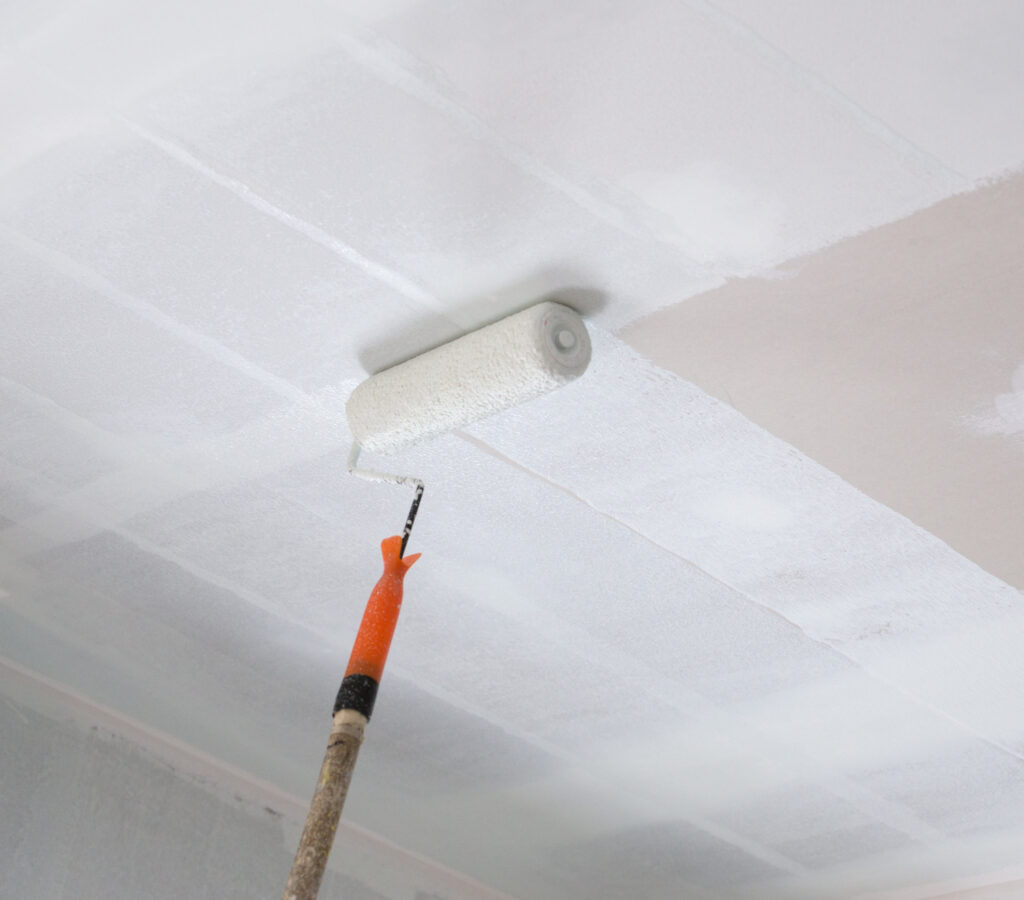
New drywall typically needs two coats of paint for full coverage. The first coat rarely covers perfectly because the primer still absorbs some paint. Your second coat fills in thin spots and creates an even appearance across all walls and ceilings.
Paint application order matters:
- Ceilings first
- Walls second
- Trim and doors last
You should wait at least 2-4 hours between coats, though overnight drying produces better results. Temperature and humidity affect drying times. Cool or humid conditions require longer wait periods.
Different rooms might get different finishes. Flat paint works well for ceilings and low-traffic areas. Eggshell or satin finishes suit main living spaces because they clean easier and handle daily wear better. For a look that reflects current design trends alongside durability, modern interior painting solutions for contemporary homes offer guidance on finish selection that works for new builds specifically.
Final finish and detail work
Detail work separates acceptable paint jobs from professional results. This stage focuses on edges, corners, trim, and touch-ups throughout your home.
Trim painting requires steady hands and patience. Baseboards, door frames, and window casings usually get semi-gloss or gloss paint because these areas need frequent cleaning. Painters use small brushes or careful rolling to keep trim paint off your walls.
Your painter should inspect every room under good lighting to spot missed areas. Common spots that need attention include corners where walls meet ceilings, areas behind door swings, and edges around electrical outlets.
Final walk-throughs catch any drips, thin coverage, or color inconsistencies. These fixes happen while the painting crew still has equipment on site, which makes corrections simple and fast.
How professionals prepare custom homes for painting
Professional painters follow specific steps to ensure new construction surfaces are ready for paint. This preparation involves checking and smoothing drywall, filling gaps and flaws, and choosing the right paint products for untreated surfaces.
Surface sanding and drywall inspection
New drywall needs thorough inspection before any paint touches the surface. Professionals examine every wall and ceiling for nail pops, drywall seams, and uneven joint compound application.
Painters use bright work lights positioned at angles to reveal surface imperfections that normal lighting misses. They mark problem areas with pencil for correction.
The sanding process starts with rough spots and raised seams. Professionals use 120-grit sandpaper for heavy imperfections and switch to 150-grit for final smoothing. Pole sanders help reach high areas and create consistent pressure across large wall sections.
Dust removal is critical after sanding. Painters wipe down all surfaces with slightly damp microfiber cloths or use vacuum attachments designed for drywall dust. Any dust left behind prevents proper paint adhesion and creates a rough final appearance. This level of prep work is what sets professional house painters apart from DIY approaches on new construction.
Sealing joints and imperfections
Drywall compound fills small holes, dents, and seam irregularities found during inspection. Professionals apply thin coats rather than one thick layer to prevent cracking and ensure proper drying.
Each layer of compound must dry completely before sanding smooth. Most applications require two to three coats for seamless results. Professionals feather the edges of patches so they blend invisibly with surrounding surfaces.
Caulk seals gaps where walls meet trim, ceiling lines, and corners. Painters use paintable acrylic latex caulk that remains flexible and won’t crack over time. They smooth caulk lines with wet fingers or tools for clean, professional edges. Getting these seams right matters not just for appearance but for moisture control too, as the U.S. Department of Energy notes that air movement through gaps in the building envelope accounts for over 98% of all water vapor movement in wall cavities.
Selecting paint types for new builds
New drywall requires primer before topcoat application. Drywall primer-sealers create uniform surface porosity and prevent the topcoat from absorbing unevenly into bare drywall and joint compound.
Common paint sheens for custom homes:
- Flat: ceilings and low-traffic areas
- Eggshell: living rooms and bedrooms
- Satin: hallways and family rooms
- Semi-gloss: kitchens, bathrooms, and trim
Paint quality matters significantly in new construction. Professional-grade paints contain higher pigment concentrations and better binders than budget options. This means better coverage, durability, and color retention over time.
Professionals match paint formulations to specific surfaces. They use different products for walls versus trim, and select moisture-resistant formulas for bathrooms and kitchens. According to the U.S. EPA, VOC concentrations from paints and varnishes consistently run 2 to 5 times higher indoors than outdoors, making low-VOC or zero-VOC interior paints the standard choice for new construction where occupants will move in shortly after painting is complete.
Common challenges in new construction painting
Painting a custom new home involves specific obstacles that differ from repainting existing homes. Fresh drywall, strict deadlines, and multiple work crews create conditions that require careful planning and execution.
Drywall dust and surface inconsistencies
Drywall dust settles on every surface after installation and sanding, creating a major barrier to paint adhesion. Even after contractors clean the walls, a fine layer of dust often remains in corners, on trim, and across wall surfaces. This dust prevents paint from bonding properly and leads to peeling or bubbling later.
You need to thoroughly clean all surfaces before priming. Use a damp cloth or tack cloth to wipe down walls, followed by a vacuum with a brush attachment for textured areas. Pay special attention to corners and edges where dust accumulates.
New drywall also presents uneven surfaces that show through paint. Joint compound creates raised seams, and different levels of porosity across the wall cause the paint to absorb unevenly. Some areas appear flat while others show a sheen.
Surface preparation requirements:
- Sand high spots on drywall seams
- Apply primer to seal porous surfaces
- Use two coats of paint for uniform coverage
- Check walls under angled lighting to spot imperfections
Tight construction timelines
New home construction follows a strict schedule where delays in one area affect all following work. Your painting schedule depends on HVAC installation, flooring, and fixture placement being completed first. Weather conditions can push back drying times and force you to compress your painting timeline.
You often face pressure to finish quickly so other contractors can complete their work. This rush increases the risk of skipping proper prep work or applying second coats before the first coat fully dries. Paint needs adequate drying time between coats, typically 2-4 hours for walls and longer for trim.
Temperature and humidity in new construction also vary widely since HVAC systems may not run consistently. Paint requires temperatures between 50-85°F and moderate humidity to cure properly. Scheduling interior painting services with professionals who understand construction sequencing helps avoid these timeline conflicts.
Coordinating with other contractors
Multiple trades work simultaneously in new construction, creating scheduling conflicts and potential damage to finished paint. Electricians install fixtures, plumbers connect sinks, and flooring installers move equipment through painted hallways. Each trade needs access to specific areas at specific times.
You must communicate constantly with the general contractor and other trades to sequence work properly. Paint trim before flooring installation but after electrical rough-in is complete. Protect finished surfaces with plastic or paper when other contractors need to work in painted areas.
Dust and debris from other trades can settle on fresh paint. HVAC installers create dust when cutting vent holes, and cabinet installers produce sawdust during adjustments. Establish clear protocols about who cleans up after each trade and when final touch-ups occur.
Benefits of hiring professional painters for new homes
Professional painters bring expertise and efficiency to custom home projects that DIY approaches simply cannot match. They deliver consistent results, complete work faster, and help you make informed decisions about colors and materials.
Consistent and high-quality finishes
Professional house painting contractors use proven techniques to create smooth, even surfaces throughout your new home. They know how to properly prepare walls, apply primer, and layer paint for a flawless finish.
Custom home painters have the right tools and equipment for every surface type. They use professional-grade brushes, rollers, and sprayers that create better coverage than standard consumer products. This means fewer streaks, drips, or uneven patches on your walls.
Your new home deserves perfect edges and clean lines. Professional painters tape and cut in with precision around trim, ceilings, and fixtures. They also understand how different paint types behave and can adjust their application methods accordingly.
The quality of work shows in the details. Professional contractors catch and fix imperfections before painting, including filling nail holes, sanding rough spots, and addressing wall damage. For homeowners in the region, affordable home painters in Wilton, CT deliver this level of preparation and quality without the premium price tag often associated with new construction work.
Efficient project completion
Professional painters complete new home projects in a fraction of the time it would take you to do it yourself. They work in teams and follow systematic approaches that keep the project moving forward.
Your custom home painting gets done on schedule when you hire contractors. They coordinate with other trades, manage material deliveries, and adjust their workflow to meet construction deadlines. This prevents delays in your overall move-in timeline.
Professional crews know how to work efficiently without sacrificing quality. They paint multiple rooms simultaneously, optimize drying times between coats, and minimize setup and cleanup periods. What might take you several weekends takes them just days.
Expert color and material selection
Professional painters help you choose colors that work together throughout your new home. They understand how natural light affects paint colors in different rooms and can recommend shades that create the atmosphere you want. A dedicated interior color consulting service takes this a step further, giving you a coordinated palette that works across every room before a single brush stroke goes on the wall.
Custom home painters know which paint products work best for specific applications. They can guide you toward durable finishes for high-traffic areas, moisture-resistant options for bathrooms, and premium products for feature walls. This expertise prevents costly mistakes.
You get access to their experience with hundreds of previous projects. Professional contractors can show you color combinations that work, warn you about trendy choices that might not age well, and suggest finishes that complement your home’s architectural style.
They also understand sheen levels and how they affect both appearance and maintenance. Your painter can explain when to use flat, eggshell, satin, or semi-gloss finishes based on each room’s function and lighting conditions.
Conclusion
Painting your custom new home sets the foundation for its long-term beauty and protection. The choices you make now will impact how your home looks and holds up for years to come.
Working with professional painters ensures proper surface preparation and application techniques. They know how to address common new construction issues like drywall imperfections and uneven textures. This expertise saves you time and helps avoid costly mistakes.
Your paint selection matters beyond just color. Quality paints protect your walls from moisture, wear, and everyday damage. They also make future maintenance easier and less frequent.
Your new custom home deserves a finish that matches its quality. Taking the time to plan your painting approach, choose the right products, and work with skilled professionals pays off. You’ll move into a home that looks polished and professional from day one.
The painting process might seem like just another construction step. But it’s what transforms your house into a space that truly feels like yours. Contact Greenhaus today to bring expert painting to your custom new home and protect your investment from the very first coat.