
Decorative interior painting goes beyond basic wall colors to add style and personality to your home. These specialized painting techniques include faux finishes, textured walls, murals, and custom designs that can transform ordinary rooms into unique spaces. Professional painters use different methods and materials to create effects that match your vision and budget.
According to the U.S. EPA, concentrations of many volatile organic compounds (VOCs) are consistently higher indoors (up to 10 times higher) than outdoors, and paints/varnishes are common VOC sources, so selecting low/zero-VOC products and ventilating the space helps reduce indoor exposure during decorative interior work.
Choosing decorative painting services means you can customize your home in ways that standard painting cannot achieve. The right techniques can make small rooms feel larger, add depth to plain walls, or create focal points that draw attention. You can select from many different styles to fit your taste and the character of your home.
From affordable accent walls to more detailed custom work, you have many ways to upgrade your interior. The key is finding the right painter who has experience with the specific techniques you want to use.
In this article, you’ll learn how decorative interior painting services can create custom wall finishes, accent walls, and artistic details that elevate residential interior painting.
Here’s what you need to know:
- Why choose decorative interior painting?
- Types of decorative interior painting
- Residential interior painting services
- Budget-friendly decorative painting solutions
- Choosing the right painter for decorative projects
Keep reading! Understanding your options helps you make smart choices about which decorative painting services work best for your space.
Why choose decorative interior painting?
Decorative interior painting gives you tools to express your personal style while improving your home’s look and market appeal. These specialized techniques create visual interest that standard paint jobs cannot match.
Adding personality and style to every room
Decorative painting lets you turn plain walls into statements that reflect who you are. You can choose from techniques like color washing, sponging, or rag rolling to create unique textures and patterns. Each room can have its own character based on how you use it.
A dining room might feature elegant metallic glazes that catch the light during meals. Your home office could use bold geometric patterns to inspire creativity. Kids’ rooms work well with playful murals or stenciled designs that grow with them.
The options extend beyond simple color choices. You can mix multiple shades to create depth or use specialty tools to add dimension to flat surfaces. Faux finishes let you mimic expensive materials like marble or wood grain without the high cost.
These custom approaches make your space truly yours instead of looking like every other home in your neighborhood.
Benefits of artistic and custom wall finishes
Custom wall finishes offer practical advantages beyond their visual appeal. The layered application process often creates more durable surfaces than single-coat painting. Special glazes and sealers protect your walls from everyday wear.
You gain flexibility in hiding wall imperfections through textured techniques. Small cracks or uneven drywall become less visible under decorative finishes. This saves you money on extensive wall repairs before painting.
Decorative painting also proves economical for updates. You can transform a space without buying new furniture or doing major renovations. The cost stays lower than wallpaper while giving you more creative control.
Maintenance stays simple with most decorative finishes. Many techniques use washable paints that handle cleaning without damage. You can touch up small areas without redoing entire walls.
According to the CDC, when lead-based paint peels or cracks it can create lead paint chips and dust, and children can be exposed by eating chips or breathing in lead dust, which is why careful containment and cleanup matters when sanding or scraping older coatings.
How decorative painting increases home aesthetics and value
Decorative painting creates focal points that draw attention to your home’s best features. An accent wall with custom finishes highlights architectural details like fireplaces or built-in shelving. These eye-catching elements make rooms feel more designed and intentional.
Buyers notice homes with professional-looking custom finishes during showings. Well-executed decorative painting signals that you maintain and care for your property. This perception can justify higher asking prices compared to homes with basic paint.
The right finishes make small rooms feel larger or cozy spaces more intimate. Light-reflecting metallics open up tight areas while deeper textures add warmth to vast rooms.
Your home stands out in listing photos when decorative elements add visual interest. Generic white walls blend together in buyers’ minds, but distinctive custom wall finishes stick in their memory after viewing multiple properties.
Types of decorative interior painting
Decorative interior painting services offer several distinct approaches to enhance your space. Accent walls create focal points through strategic color placement, faux finishes add depth with specialized textures, and custom murals bring unique artistic visions to life.
Accent wall painting and color highlights
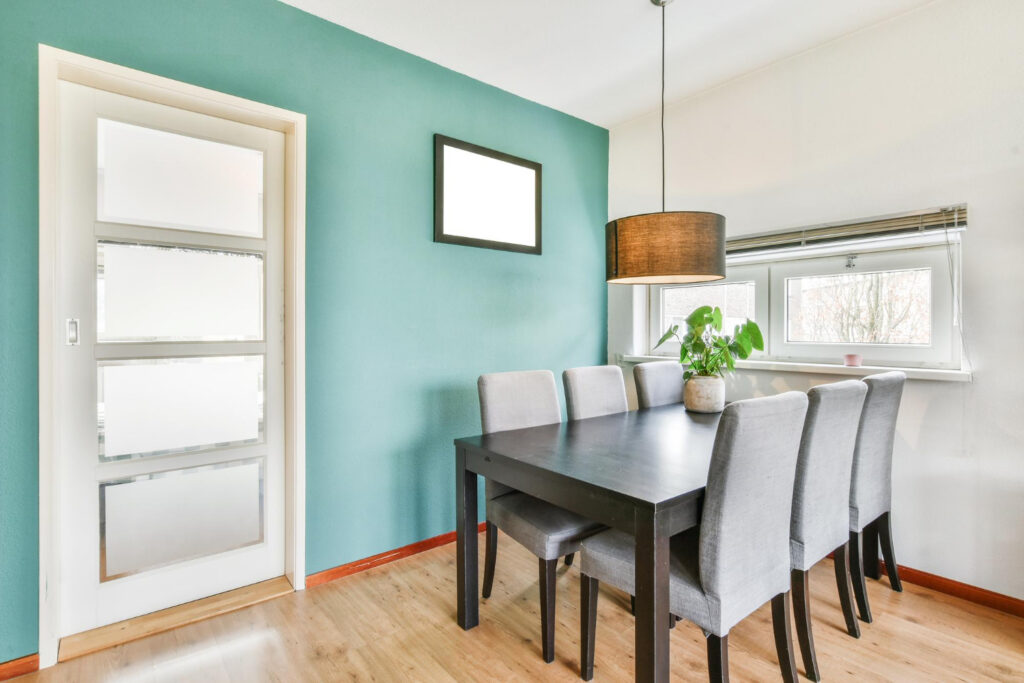
Accent wall painting transforms a single wall into a standout feature using bold colors or contrasting shades. You can choose one wall in your room to paint a different color than the others, which draws attention and creates visual interest. This technique works well behind beds, sofas, or dining areas.
Color highlights add dimension by incorporating two or three complementary shades on the same wall. You might use painter’s tape to create geometric patterns, stripes, or color blocks. These designs range from subtle tone-on-tone effects to dramatic contrasts.
The main benefit of accent walls is their cost-effectiveness. You only paint one wall instead of an entire room, which saves money on paint and labor. This approach also lets you experiment with bolder colors without overwhelming your space.
Many homeowners use accent walls to define different areas in open floor plans. A deep blue accent wall can separate your living area from your dining space without building physical barriers.
Faux finishes and textured techniques
Faux finishes replicate the appearance of materials like marble, wood grain, or stone through specialized painting methods. Professional painters use tools like sponges, rags, and special brushes to create these effects. Venetian plaster produces a smooth, polished look that resembles marble or limestone.
Textured techniques add physical depth to your walls beyond visual effects. Options include:
- Sponging: Creates a mottled, organic appearance
- Ragging: Produces soft, fabric-like patterns
- Stippling: Adds fine, dotted texture
- Combing: Forms linear or curved designs
These techniques alter how light interacts with your walls throughout the day. Different viewing angles reveal varying levels of depth and shadow. Textured finishes also hide minor wall imperfections better than flat paint.
The cost for faux finishes typically runs higher than standard painting because they require specialized skills and additional time. Your painter needs expertise in layering colors and manipulating materials while they’re still wet.
Custom murals and artistic wall designs
Custom murals transform your walls into one-of-a-kind artistic statements. You work with skilled painters who can recreate photographs, create original designs, or paint scenes tailored to your preferences. These range from realistic landscapes to abstract patterns to trompe-l’oeil effects that trick the eye.
Artistic interior painting includes hand-painted designs like florals, geometric shapes, or cultural motifs. You might choose a tree spanning from floor to ceiling in a nursery or a city skyline in your home office. Stenciling offers another option for repeated patterns that maintain consistency.
The process begins with design consultation where you share your vision, room dimensions, and budget. Artists typically provide sketches or digital mockups before starting. Painting time varies based on complexity, with simple designs taking days and detailed murals requiring weeks.
Murals work especially well in children’s rooms, entertainment spaces, or commercial settings where brand identity matters. They create permanent focal points that wallpaper cannot match in uniqueness. Professional muralists use durable paints and sealants to protect their work for years.
Residential interior painting services
Professional painters help homeowners update their living spaces with expert color application and careful preparation work. These services cover your main living areas and include design guidance to match your style preferences.
Bedrooms, living rooms, and common areas
Your bedroom needs a calm color that helps you relax at the end of each day. Professional painters work around your furniture and protect your belongings with drop cloths and plastic sheeting. They can paint accent walls to add visual interest without overwhelming the space.
Living rooms require durable paint finishes that withstand daily use and natural light exposure. Painters apply techniques to minimize brush marks and create uniform coverage across large wall sections. They paint around built-in shelving, entertainment centers, and other fixed features in the room.
Common areas like hallways, entryways, and staircases benefit from semi-gloss or satin finishes that resist scuffs and clean easily. These high-traffic zones need multiple coats for complete coverage. Painters use extension poles and scaffolding to reach tall ceilings and upper walls safely.
Color consultation and personalized design support
Professional painting companies offer color matching services to coordinate with your existing furniture and decor. They bring physical paint samples to your home so you can see how colors look in your actual lighting conditions. Some painters use digital visualization tools that show you different color options on your walls before any paint touches the surface.
Design consultants help you choose complementary colors for adjacent rooms to create flow throughout your home. They explain undertones in paint colors that affect how shades appear during different times of day. You receive guidance on current color trends while keeping your personal taste as the priority.
Painters can create custom color mixes if standard options don’t match your vision. They keep detailed records of your chosen colors for future touch-ups or additional rooms.
Surface preparation for smooth and durable finishes
Your walls need proper cleaning and repair before paint application begins. Painters fill nail holes, cracks, and dents with spackling compound and sand the areas until smooth. They remove old wallpaper, scrape away loose paint, and address any water damage or stains.
Per the U.S. EPA, renovation, repair, or painting projects in homes built before 1978 can create dangerous lead dust, and EPA requires that covered work that disturbs lead-based paint be performed by lead-safe certified contractors under the Renovation, Repair and Painting (RRP) Program.
Professional painters apply primer to new drywall, patched areas, and surfaces with dark existing colors. This step ensures even coverage and helps the topcoat adhere properly. They sand between coats to eliminate bumps and create a professional finish.
Trim work, baseboards, and door frames get taped off with painter’s tape to protect them during wall painting. Painters caulk gaps between trim and walls for a seamless appearance. They move outlet covers and light switch plates, then reinstall them after the paint dries completely.
Budget-friendly decorative painting solutions
Decorative painting projects don’t have to drain your savings account. Many professional painting companies offer structured pricing options, upfront cost estimates, and practical ways to reduce expenses while still achieving beautiful results.
Affordable packages for homeowners
Professional painting services often provide tiered packages designed to fit different budgets. Basic packages typically include standard wall painting with quality paint and essential prep work. Mid-range options add decorative techniques like accent walls or color blocking. Premium packages incorporate advanced methods such as color drenching, where walls, trim, and ceilings receive the same rich hue for a cohesive look.
Many companies structure their pricing based on room size, paint quality, and technique complexity. You can request customized packages that focus on high-impact areas like living rooms or entryways while postponing less visible spaces. Some painters offer seasonal discounts or bundle deals when you book multiple rooms at once.
Ask about payment plans if you’re working with a tight budget. Several painting contractors allow you to spread costs across several months, making larger projects more manageable financially.
Free estimates and transparent pricing
Reputable painting services provide free consultations and detailed estimates before any work begins. These estimates should break down costs for labor, materials, surface preparation, and any additional services you request.
A transparent quote includes the paint brand and finish type, number of coats, square footage calculations, and estimated completion time. This clarity helps you compare different contractors and understand exactly what you’re paying for. Request written estimates from at least three companies to ensure competitive pricing.
Watch for hidden fees that some contractors might add later. Ask specific questions about charges for furniture moving, wall repairs, primer application, and cleanup. A trustworthy painter will explain all potential costs upfront without surprises on the final bill.
Cost-saving tips without sacrificing quality
You can reduce project costs by handling prep work yourself. Moving furniture, removing wall decorations, and cleaning surfaces takes time that painters would otherwise charge for. Basic tasks like taping edges or removing outlet covers also cut labor expenses.
Money-saving strategies:
- Purchase your own paint during sales events
- Choose one accent wall instead of painting entire rooms
- Select flat or eggshell finishes over premium options for low-traffic areas
- Combine similar paint colors across rooms to reduce waste
- Paint furniture or cabinets instead of replacing them
Timing matters for your budget. Schedule projects during off-peak seasons when painters offer lower rates. Focus on high-impact changes like painting dated trim or refreshing a single statement wall rather than tackling your entire home at once.
Choosing the right painter for decorative projects
Finding a skilled painter for decorative work requires evaluating their specialized experience, understanding their service guarantees, and ensuring they can execute your creative vision through clear communication.
Evaluating experience and portfolio of work
Professional interior painters who specialize in decorative techniques need different skills than those who handle standard paint jobs. Ask to see a portfolio that specifically shows faux finishes, murals, stenciling, or other decorative methods you want for your space.
Look for examples that match your desired style. A painter skilled in modern geometric patterns may not excel at traditional trompe-l’oeil techniques. Request references from past clients who had similar decorative projects completed.
Check how long the painter has worked with specialty finishes. Decorative painting requires advanced training and practice to master. Many decorative painters have formal education in art or specialized certifications in techniques like Venetian plaster or gilding.
Review online ratings and feedback about their decorative work quality. Pay attention to comments about how well the final result matched the client’s vision.
Understanding warranties and guarantees
Quality decorative painters stand behind their specialized work with clear warranties. Ask what specific issues their guarantee covers for decorative finishes, as these can be more delicate than standard paint.
Get written documentation of warranty terms before work begins. Some decorative techniques like metallic finishes or textured walls may have different coverage periods than regular paint jobs.
Understand what actions might void your warranty. Certain decorative finishes require specific cleaning methods or maintenance. Ask about the expected lifespan of materials used for custom designs and whether touch-ups are included.
Communication and project planning for custom designs
Your painter should discuss your ideas thoroughly and offer suggestions based on their expertise. They need to understand your vision before creating sample boards or mock-ups of proposed designs.
Request a detailed plan showing where each decorative element will appear. This should include color specifications, technique descriptions, and timeline estimates. Professional decorative painters often provide sketches or digital renderings for complex projects.
Establish clear expectations about your involvement in decision-making throughout the project. Some custom designs require approval at multiple stages. Discuss how changes to the original plan will be handled and whether they affect pricing or scheduling.
Conclusion
Decorative interior painting services bring fresh life to your home through skilled craftsmanship and creative techniques. Professional painters have the training and tools to transform ordinary walls into beautiful focal points that reflect your personal style.
These services go beyond basic paint application. They include surface preparation, color consultation, and specialty finishes that you cannot easily achieve on your own. The expertise of trained professionals ensures clean lines, smooth textures, and lasting results.
Your home’s value increases when you invest in quality decorative painting. Fresh paint creates a positive impression for guests and potential buyers. It also protects your walls from wear and damage over time.
The right decorative painting transforms how your rooms feel. Warm colors make spaces cozy while cool tones create calm environments. Special techniques add depth and character that plain walls cannot provide.
Your investment in decorative interior painting delivers both immediate and long-term benefits. You get a refreshed living space that matches your vision while maintaining quality that lasts for years. Professional painters bring the skill and attention to detail needed to make your decorating goals a reality.
Request a decorative interior painting estimate from Greenhaus Painters to review finish samples, confirm the scope for accent walls or custom wall finishes, and get clear pricing for a design that fits your home and budget.

