
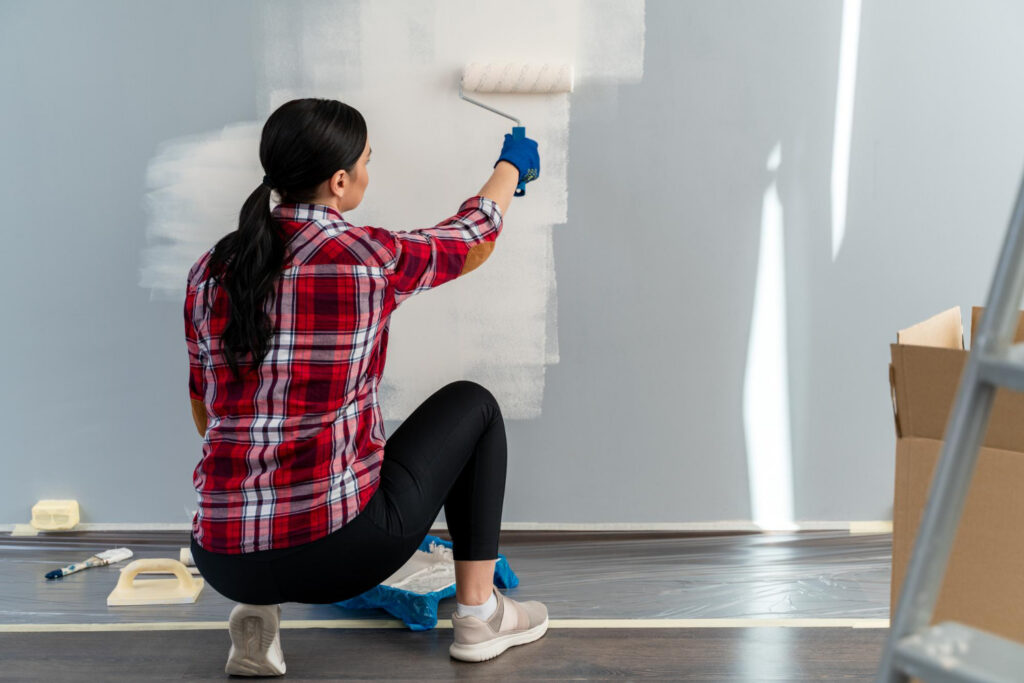
Full service interior painting means hiring professionals who handle every part of your painting project from start to finish. You don’t have to worry about buying supplies, moving furniture, or cleaning up. The painters take care of all the work while you focus on other things.
Full service interior painting includes prep work, protection of your furniture and floors, all painting tasks, and complete cleanup after the job is done. These professionals bring their own equipment and materials. They also fix wall damage and ensure smooth, even coats of paint in every room.
Understanding what to expect from a full service painting company helps you make smart choices for your home. Professional painters follow clear steps to deliver quality results. They also save you time and help you avoid common mistakes that happen with DIY projects.
In this article, you’ll find everything you need to know about full service interior painting.
- What full service interior painting includes
- Benefits of full service interior painting
- How professionals prepare your home for painting
- Step-by-step painting process
- Choosing the right interior painting contractor
Keep reading to understand exactly what full service painters do, what benefits you get, and how to choose a contractor who will deliver lasting results in every room.
What full service interior painting includes
Full service interior painting covers everything from fixing wall damage to applying the final coat of paint and cleaning up your space. Professional painters handle each step to deliver a finished room that’s ready to use.
Surface preparation and wall repair
Professional painters begin by protecting your floors, furniture, and fixtures with drop cloths and plastic sheeting. They remove outlet covers, light switch plates, and wall decorations to ensure clean paint lines.
The team inspects your walls and ceilings for damage that needs attention. They fill nail holes, cracks, and dents with spackling compound or joint compound. Larger holes may require patching with drywall pieces.
Common repairs include:
- Filling small holes and nail pops
- Patching damaged drywall sections
- Fixing cracks in walls and ceilings
- Smoothing rough or uneven surfaces
After repairs dry, painters sand the patched areas until they’re flush with the surrounding wall. They also sand glossy surfaces to help new paint adhere properly. The crew wipes down walls to remove dust, dirt, and grease that could affect paint adhesion. For walls with significant deterioration, prep and repair on interior walls done at this stage makes the difference between a finish that lasts and one that fails within a year.
Priming, painting, and finishing coats
Painters apply primer to bare surfaces, repaired areas, and walls with stains or dark colors. Primer creates a uniform base that helps paint stick and look even.
The first coat of paint goes on after the primer dries completely. Professional teams use brushes for edges and trim, while rollers cover larger wall areas. They maintain wet edges to avoid lap marks and ensure consistent color.
According to the U.S. EPA, water-based paints generally emit fewer chemicals and lower levels of chemical vapors than oil-based alternatives, making them the healthier choice for interior work in occupied homes. Most residential painting services apply at least two coats of paint for full coverage and durability. The number of coats depends on the color change and paint quality. Light colors over dark walls may need three coats.
Cleanup and final inspection
The painting crew removes all protective coverings and tape once the final coat dries. They clean paint drips, splatters, and overspray from windows, floors, and fixtures.
Painters reinstall outlet covers, switch plates, and any hardware they removed. They walk through each room with you to check for missed spots or areas that need touch-ups. Any concerns get addressed before they consider the job complete.
The team hauls away all painting materials, drop cloths, and trash from your property. You’re left with freshly painted rooms that are clean and ready to use immediately.
Benefits of full service interior painting
Full service interior painting delivers value through professional execution, stress-free management, and lasting results. These turnkey painting solutions handle every detail from start to finish, giving you a transformed space without the usual hassles of home improvement projects.
Saves time and reduces homeowner stress
Full service interior painting takes the burden of project management off your shoulders. You won’t need to spend weekends moving furniture, taping edges, or cleaning up paint spills. The crew handles all preparation work, including patching holes, sanding surfaces, and protecting your belongings.
Your time stays free for work, family, and other priorities. Professional teams complete projects faster than DIY attempts because they have the right tools and experience. A room that might take you several weekends gets finished in days.
You avoid the stress of figuring out paint quantities, choosing primers, or learning proper techniques. The company coordinates everything from scheduling to cleanup. If issues arise during the project, the professionals solve them without requiring your input on technical decisions.
Ensures professional quality results
Professional painters deliver smooth, even finishes that last for years. They know how to properly prepare surfaces so paint adheres correctly and doesn’t peel or chip prematurely. Their experience shows in crisp lines around trim, consistent coverage, and no visible brush marks or roller streaks.
These teams use premium materials suited for your specific surfaces and lighting conditions. They apply the right number of coats and allow proper drying time between applications. The finish looks uniform across all walls with matching textures and sheen levels.
Specialized techniques like decorative interior painting or accent walls get executed with precision you can’t achieve without training. The painters spot potential problems before they become visible issues in the final result.
Improves home value and appearance
Fresh, professionally applied paint makes your home more attractive to potential buyers. Real estate experts consistently rank updated paint as one of the top improvements for resale value. Buyers notice quality workmanship and associate it with overall home care.
Your living spaces feel cleaner and more modern with new paint. The right colors make rooms appear larger, brighter, or more welcoming depending on your goals. Consistent finishes throughout your home create a polished, cohesive look that elevates your entire property.
Professional painting protects your walls from wear and damage. Quality paint creates a durable surface that withstands cleaning and daily use better than budget options applied incorrectly.
How professionals prepare your home for painting
Professional painters take specific steps to protect your space and create the right surface for paint to stick properly. They handle furniture protection, fix wall damage, and help you choose the best colors and finishes for each room.
Protecting furniture and flooring
Painters start by moving furniture away from walls or relocating it to the center of the room. They cover large pieces with plastic sheets or drop cloths to shield them from paint splatters and dust.
Floor protection comes next. Professionals lay down canvas drop cloths or plastic sheeting across all flooring in the work area. Canvas cloths work better than plastic on hardwood floors because they absorb paint drips and won’t cause slipping.
Your painters will also protect fixtures and hardware. They cover light switches, outlet plates, and door handles with painter’s tape or remove them entirely. Window frames and trim get taped off to ensure clean paint lines.
Repairing cracks and wall imperfections
Painters inspect your walls for holes, cracks, and dents before applying any paint. They fill nail holes and small cracks with spackling compound or joint compound. Larger cracks require mesh tape and multiple layers of compound to create a smooth surface.
After filling imperfections, professionals sand the patched areas until they blend seamlessly with the surrounding wall. This creates an even surface that won’t show through the final paint coat.
Wall washing is another critical step. Painters clean walls to remove dust, grease, and dirt that could prevent paint from adhering properly. They use a mild detergent solution or specialized wall cleaner, then allow surfaces to dry completely before painting. Walls that have seen fading or surface wear may also benefit from attention before prep begins — learning how to repaint fading interior walls gives homeowners useful context on what professionals look for during this inspection phase.
Selecting paint colors and finishes
Professional painters guide you through paint selection based on each room’s specific needs. They bring color samples and fan decks to help you visualize options in your actual lighting conditions.
Common paint finishes include:
- Flat/matte: best for low-traffic areas and hiding wall imperfections
- Eggshell: works well in living rooms and bedrooms with moderate traffic
- Satin: good for kitchens, bathrooms, and high-traffic hallways
- Semi-gloss: ideal for trim, doors, and moisture-prone areas
- Gloss: reserved for cabinets and surfaces needing maximum durability
According to the U.S. EPA, VOC concentrations from paints and varnishes consistently run 2 to 5 times higher indoors than outdoors, which is why professional painters who recommend low-VOC or zero-VOC formulas are protecting both the quality of your finish and the air quality in your home. An interior color consulting service can also help you lock in the right palette before paint goes on the wall, saving time and costly repaints.
Step-by-step painting process
A professional wall painting service follows a structured approach that ensures consistent results across your home. The process involves careful planning for each space, using proven application methods, and conducting thorough inspections to maintain quality standards.
Room-by-room project planning
Professional painters assess each room individually to determine the best approach. They evaluate ceiling height, natural lighting, room function, and existing wall conditions. This assessment helps them decide on paint type, sheen level, and the number of coats needed.
Your painting team creates a logical sequence for completing rooms. They typically start with spaces that require the most intensive work or those that connect to multiple areas. Common rooms like living rooms and hallways often come first, while bedrooms and bathrooms follow.
The team schedules work to minimize disruption to your daily routine. They coordinate timing so you can continue using essential spaces like kitchens and bathrooms. Most professional wall painting service teams complete one to two rooms per day, depending on size and complexity.
Paint color coordination between rooms gets mapped out during planning. Your painters ensure transitions between spaces look intentional, whether you choose matching colors or complementary schemes. For spaces like a home office wall painting project, professionals consider how the color affects focus and mood in addition to aesthetics.
Application techniques for smooth finish
Professional painters use specific tools for different surfaces. They apply ceiling paint with rollers that have longer naps, while walls get medium-nap rollers. Trim and edges require angled brushes for precision.
The painting process follows a top-down order:
- Ceilings first: starting overhead prevents drips on freshly painted walls
- Walls second: rolling in W-patterns ensures even coverage
- Trim last: baseboards, door frames, and window casings get careful brush work
Painters apply thin, even coats rather than thick layers. This prevents drips, sags, and uneven drying. Most rooms need two coats for full coverage, with adequate drying time between applications.
They maintain a wet edge while rolling to avoid lap marks. This means working in manageable sections and keeping the roller moving to blend each pass with the previous one.
Quality checks and touch-ups
Your painting team inspects each room under different lighting conditions. They check for missed spots, uneven coverage, drips, and paint bleeds at tape lines. Natural daylight reveals imperfections that artificial lighting might hide.
They examine all edges where different colors meet. Clean lines at corners, ceiling edges, and trim indicate proper technique. Any bleeding or rough edges get corrected immediately.
The team removes painter’s tape at the right time — when paint is dry to the touch but not fully cured. This prevents peeling or chipping along edges. They pull tape at a 45-degree angle away from the painted surface.
Final touch-ups address any minor issues found during inspection. Small areas get careful brush work to blend with surrounding surfaces. Your painters verify that all surfaces meet their quality standards before considering a room complete. Baseboard painting is one detail that gets checked with particular care at this stage, since scuffs and uneven coverage near the floor are easy to miss until a final walk-through.
Choosing the right interior painting contractor
Finding the right professional for your interior painting project means checking their track record, understanding what you’ll pay, and knowing exactly what services they include.
Checking experience and reviews
Start by looking at how long the interior painting contractors have been in business. Companies with several years of experience typically handle problems better and deliver more consistent results. Ask to see photos of their past work, especially projects similar to yours.
Read online reviews on multiple platforms like Google, Yelp, and the Better Business Bureau. Look for patterns in feedback rather than focusing on single comments. Pay attention to how house interior painters respond to negative reviews, as this shows their customer service approach.
Key verification steps:
- Confirm they have proper licensing and insurance
- Request and contact at least three recent references
- Ask about the specific training their painters receive
- Check if they specialize in interior work or do all types of painting
According to the U.S. EPA, any paid painting or renovation project that disturbs paint in homes built before 1978 must be performed by lead-safe certified contractors, so verifying that certification is a non-negotiable step when hiring professionals for older homes.
Understanding pricing and estimates
Get written estimates from at least three different interior painting contractors. Each estimate should break down costs for labor, materials, and any prep work needed. Avoid contractors who give quotes over the phone without seeing your space.
The lowest bid isn’t always the best choice. House interior painters who charge significantly less may cut corners on prep work or use cheaper materials. Ask each contractor to explain what’s included in their price and what costs extra.
Compare these pricing factors:
- Paint quality and brand specifications
- Number of coats included
- Surface preparation methods
- Timeline for completion
- Payment schedule and terms
For homeowners looking for quality work at a fair price, affordable home painters in Wilton, CT offer a useful benchmark for what competitive, professional-grade pricing looks like in Fairfield County.
Evaluating service inclusions
Full service interior painting should cover more than just applying paint to walls. Find out what prep work the contractor includes, such as filling holes, sanding surfaces, and caulking gaps. Ask if they move furniture or if you need to clear rooms before they arrive.
Protection of your belongings matters during any painting project. Confirm the contractor will cover floors, furniture, and fixtures with drop cloths or plastic sheeting. They should also explain their cleanup process and what condition they’ll leave your home in after finishing.
Clarify the warranty or guarantee they offer on their work. Most professional interior painting contractors stand behind their work for at least one year. Get all service inclusions in writing before signing any contract.
Conclusion
Full service interior painting offers you a complete solution for transforming your home. You get professional results without the stress of managing multiple contractors or handling prep work yourself. The painters take care of everything from moving furniture to final cleanup.
This approach saves you time and reduces the risk of costly mistakes. Professional painters bring the right tools, quality materials, and years of experience to your project. They can spot potential issues before they become problems and deliver a finish that lasts.
The investment in full service painting pays off through durability and appearance. You avoid the physical demands of painting while getting access to trade-quality paints and finishes. Your home receives the attention it deserves from trained professionals who understand proper techniques.
When you choose full service interior painting, you’re choosing peace of mind. The painters handle every detail so you can focus on enjoying your newly refreshed space. Contact Greenhaus today to schedule your full service interior painting consultation and move into freshly painted rooms without lifting a brush.

