
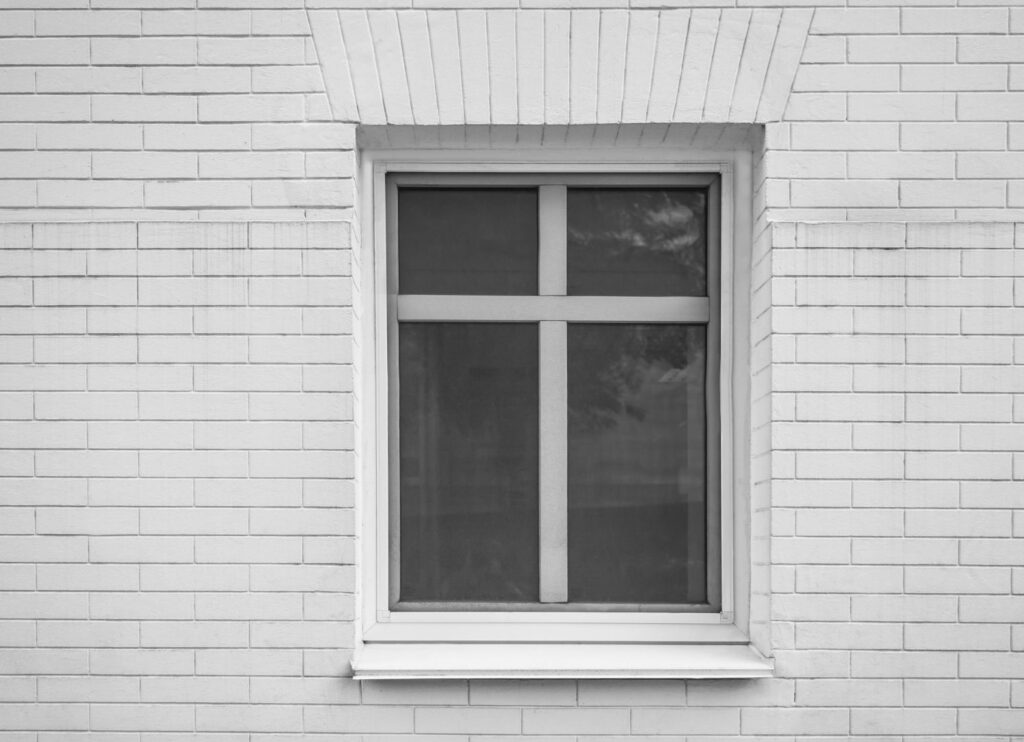
Painting your brick exterior white can completely transform your home’s appearance and increase its curb appeal. Working with experienced exterior brick painting services ensures you get a clean, durable finish that protects your home while giving it a fresh, modern look. Many homeowners choose white paint for their brick because it brightens the overall appearance and makes the house stand out in the neighborhood.
Before you start this project, you need to understand what the process involves. The right preparation and painting techniques make the difference between a finish that lasts for years and one that peels or cracks. This is why many people hire exterior home painting contractors who know how to handle brick surfaces properly.
In this guide, you’ll find everything you need to know about painting brick exterior white.
- Why homeowners choose to paint brick exterior white
- Key considerations before painting brick
- How professionals prepare brick for painting
- Step-by-step process of painting brick exterior white
- Maintenance tips for painted brick exteriors
Keep reading to understand every stage of the process so you can make an informed decision, choose the right materials, and keep your painted brick looking sharp for years to come.
Why homeowners choose to paint brick exterior white
White paint transforms traditional brick homes into fresh, modern spaces while addressing practical concerns like worn surfaces and outdated color schemes. This choice appeals to homeowners seeking visual impact and long-term property benefits.
Modern curb appeal and design upgrade
White paint gives your brick home an instant contemporary look that stands out in any neighborhood. The clean, crisp appearance replaces dated red or brown brick with a style that feels current and intentional.
Your home gains versatility with white brick because it pairs well with nearly any accent color, trim choice, or landscaping style. You can switch out shutters, doors, and outdoor decor without worrying about color clashes.
The transformation works especially well if your brick shows uneven coloring, staining, or outdated mortar joints. White paint creates a uniform surface that hides these flaws while delivering a cohesive exterior appearance.
Many homeowners find that white brick complements both traditional and modern architectural styles. The neutral backdrop lets you highlight other design elements like stone accents, wood details, or decorative trim work.
Increased property value and resale appeal
A white brick exterior can make your home more attractive to potential buyers who prefer updated, move-in-ready properties. The fresh appearance suggests proper maintenance and care throughout the home.
Painted white brick often photographs better in real estate listings, helping your property stand out in online searches. This visual advantage can lead to more showing requests and faster sale timelines.
The neutral color appeals to a broader range of buyers compared to traditional brick colors. Potential purchasers can more easily envision their own style preferences without needing to overlook bold or dated exterior colors.
Improved exterior brightness and aesthetics
White brick reflects more natural light around your home’s exterior, making entryways and outdoor living spaces feel brighter and more welcoming. According to the U.S. Department of Energy, light-colored exterior surfaces reflect more sunlight and absorb less solar energy, which can help keep exterior walls cooler during summer months and reduce heat transfer into the home.
The lighter color creates a clean backdrop that enhances your landscaping, allowing colorful plants and flowers to pop against the neutral surface. Garden beds, foundation plantings, and seasonal decorations gain more visual impact with the bright contrast.
White creates a strong visual statement that pairs well with modern interior painting solutions when you want a cohesive design from the outside in.
Key considerations before painting brick
Painting brick requires careful evaluation of your home’s existing conditions and understanding specialized materials. Proper preparation and realistic maintenance expectations determine whether your painted brick will last for years or require costly repairs.
Brick condition and moisture assessment
Your brick needs to be in good structural shape before you apply any paint. Check for cracks, crumbling mortar, or damaged bricks that need repair first. If you paint over these problems, you’ll trap moisture and make the damage worse.
Moisture is the biggest concern with brick painting. Brick naturally absorbs and releases water through its porous surface. You need to identify any water issues before painting, including leaks, poor drainage, or areas where water pools against your foundation.
Power wash your brick and wait at least two weeks for it to dry completely. This step is critical because painting wet or damp brick will cause the paint to bubble and peel. Test the moisture level by taping a piece of plastic to the brick overnight — if you see condensation in the morning, the brick isn’t ready for paint.
Avoid painting brick in humid weather or spring months when moisture levels stay high. The brick must be completely dry throughout, not just on the surface.
Importance of breathable masonry paint
Regular exterior latex paint will trap moisture inside your brick and cause serious damage. You must use mineral-based or breathable masonry paint designed specifically for brick surfaces. These paints allow water vapor to escape while protecting the brick from rain and weather.
According to the U.S. Department of Energy, brick is a reservoir cladding that retains water after a rain event and, when exposed to solar radiation, can drive significant moisture inward through wall assemblies — which is exactly why vapor-permeable, breathable paint is essential for any painted brick exterior.
Breathable masonry paint costs more than standard paint, but it prevents trapped moisture that leads to mold, bubbling, and structural problems. Look for paints labeled as vapor-permeable or specifically designed for masonry. These formulas bond differently to brick surfaces and flex with temperature changes.
Long-term maintenance expectations
Painted brick requires regular maintenance that bare brick doesn’t need. You’ll need to repaint every 10-15 years, depending on your climate and paint quality. This represents an ongoing time and money commitment you should plan for.
White paint shows dirt, mildew, and stains more than natural brick colors. You’ll likely need to clean your painted brick annually with a gentle wash to maintain its appearance. Areas under eaves or in shade tend to develop mildew faster and need more attention.
Remember that painting brick is permanent. Removing paint from brick is extremely difficult, expensive, and often damages the brick surface. Once you paint, you commit to maintaining painted brick for the life of your home. Pairing your exterior project with affordable home painters in Wilton, CT who understand masonry surfaces can help you plan that long-term maintenance schedule from the start.
How professionals prepare brick for painting
Professional brick painting starts with thorough surface prep, proper repairs, and the right primer to create a lasting finish. These three steps determine whether your paint job will hold up for years or start failing within months.
Deep cleaning and surface preparation
Pressure washing is the most effective way to clean brick before painting. Professionals use a pressure washer at 2,500 to 3,000 PSI to remove dirt, dust, mildew, and loose paint from the surface.
For mildew problems, they apply a bleach solution or specialized cleaner before pressure washing. This kills mold spores and prevents them from growing under the new paint. The brick needs to dry completely after washing, which typically takes 24 to 48 hours in good weather conditions.
Professionals also scrub the surface with a wire brush or stiff broom to remove any remaining debris. They pay special attention to mortar joints where dirt and loose material tend to hide. Any efflorescence (white mineral deposits) must be removed with a specialized cleaner since it prevents paint adhesion.
Repairing cracks and damaged mortar
Damaged mortar joints need repair before painting begins. Professionals use a process called repointing to remove crumbling mortar and replace it with fresh material.
They chisel out loose or damaged mortar to a depth of about 3/4 inch. The joints are then cleaned and dampened before applying new mortar that matches the existing color and texture. This repair work must cure for at least seven days before painting.
Cracks in the brick itself get filled with exterior-grade caulk or patching compound. Small hairline cracks under 1/8 inch can often be painted over, but larger cracks need filling to prevent water infiltration. All repairs must sit flush with the brick surface for a smooth painted finish.
Applying primer for masonry adhesion
Masonry primer creates the bond between porous brick and your topcoat paint. Professionals choose breathable primers specifically designed for brick and concrete surfaces.
The primer gets applied after all repairs have cured and the surface is completely dry. Most professionals use a heavy-nap roller (3/4 inch to 1 inch) to work primer into the brick’s textured surface. They also use brushes to ensure full coverage in mortar joints and recessed areas.
One coat of quality masonry primer is usually enough, but heavily porous or previously unpainted brick may need two coats. The primer needs to dry for the time specified by the manufacturer before applying your white topcoat paint.
Step-by-step process of painting brick exterior white
Painting your brick exterior white requires careful preparation, the right materials, and proper application techniques. Success depends on choosing quality paint designed for masonry, applying multiple coats evenly, and protecting your work with a proper seal.
Selecting the right exterior masonry paint
You need to choose paint specifically made for exterior masonry surfaces. Regular house paint won’t work on brick because brick is porous and absorbs moisture differently than wood or vinyl siding.
Look for 100% acrylic latex paint labeled for masonry or brick. This type of paint allows the brick to breathe while creating a protective barrier against water. Elastomeric paint is another good option because it stretches and contracts with temperature changes, which helps prevent cracking.
According to the U.S. Department of Energy, glossy and acrylic paints are generally more effective vapor retarders than flat latex paints, which means choosing a semi-gloss or satin acrylic masonry paint for your brick offers both aesthetic and moisture-control advantages. For white brick exterior painting, select a shade that complements your home’s style. Pure white creates a modern look, while off-white or cream tones give a softer appearance.
Key paint features to look for:
- Mildew resistance
- UV protection
- Breathable formula
- High adhesion properties
- Warranty of at least 10-15 years
Buy more paint than you think you need. Brick absorbs significantly more paint than smooth surfaces, often requiring 20-30% more than manufacturer estimates.
Applying even coats for full coverage
Start with a high-quality primer designed for masonry. Apply it with a thick-nap roller (at least 3/4 inch) to reach into all the texture and mortar joints. Let the primer dry completely, which typically takes 24 hours.
Apply your first coat of white paint using the same thick-nap roller. Work in small sections and use a brush to cut in around windows, doors, and trim. Push the paint into the porous surface rather than just rolling over it.
You will need at least two coats of paint for proper coverage. Some darker bricks may require three coats to achieve a solid white finish. Wait 24 hours between coats to ensure proper drying.
Application tips:
- Paint when temperatures are between 50-85°F
- Avoid painting in direct sunlight
- Work from top to bottom
- Maintain a wet edge to prevent lap marks
Sealing and finishing for durability
After your final coat of paint has dried for at least 48 hours, consider applying a clear masonry sealer. This step is optional but adds extra protection against moisture, stains, and wear.
Choose a breathable sealer that won’t trap moisture inside the brick. Apply it with a paint sprayer or roller following the manufacturer’s directions. One coat is usually enough for painted brick.
Inspect your painted brick regularly and touch up any chips or peeling spots right away. Properly painted and sealed brick should last 15-20 years before needing a fresh coat. Keep some extra paint stored for future touch-ups.
Maintenance tips for painted brick exteriors
Painted brick needs ongoing care to stay fresh and protected from weather damage. Regular cleaning prevents buildup, routine inspections catch problems early, and timely touch-ups extend the life of your paint job.
Regular cleaning without damaging paint
Clean your painted brick twice a year using gentle methods that won’t strip or damage the finish. Mix warm water with a mild dish soap and apply it with a soft-bristle brush or sponge. Work from top to bottom in small sections.
Avoid pressure washers on most painted brick surfaces. The high-pressure water can chip paint and force moisture behind the coating. If you must use a pressure washer, keep it on the lowest setting and maintain a distance of at least two feet from the wall.
Rinse thoroughly with a garden hose after scrubbing to remove all soap residue. Let the surface dry completely before applying any treatments or sealants. Watch for areas where dirt collects regularly, like under eaves or near ground level, and give these spots extra attention during cleaning.
Inspecting for cracks or peeling
Check your painted brick every three to six months for signs of wear or damage. Look for peeling paint, cracks, bubbling, or areas where moisture has seeped through. Pay special attention to spots around windows, doors, and roof lines where water exposure is highest.
Small cracks in paint often indicate moisture problems underneath. Address these immediately by scraping away loose paint, letting the area dry, and applying primer before touching up with your exterior paint. Peeling usually means the paint didn’t bond properly or moisture is trapped behind it.
Examine mortar joints between bricks during your inspections. Damaged mortar can let water penetrate behind the paint layer. Fill any gaps or cracks in mortar before they become bigger problems that require extensive repairs.
Repainting timelines and touch-ups
Quality exterior paint on brick typically lasts 10 to 15 years with proper maintenance. Factors like sun exposure, climate, and paint quality affect this timeline. Touch up minor chips and worn spots as soon as you notice them to prevent moisture damage.
Keep leftover paint from your original job for touch-ups, or record the exact brand, color, and finish. Clean the area thoroughly before applying touch-up paint and feather the edges to blend with surrounding painted surfaces.
Plan for a full repaint when you notice widespread fading, multiple areas of peeling, or significant color changes. You won’t need to strip old paint completely if it’s still adhering well. Just clean the surface, sand any rough spots, apply primer to bare areas, and add fresh coats of paint. For a complete exterior refresh that goes beyond just the brick, professional house painters in Fairfield, CT can coordinate the full repaint to ensure trim, shutters, and masonry all receive the right products and preparation.
Conclusion
Painting your brick exterior white is a big decision that requires careful planning. You need to think about both the benefits and the challenges before starting this project.
The paint will change how your home looks and can boost curb appeal. A fresh white coat gives brick houses a clean, modern appearance that many homeowners want. You can update an older home without major renovations.
But painted brick needs maintenance. You will need to repaint every 10-15 years to keep it looking good. The brick also needs to breathe, so using the right paint matters. Pick elastomeric or mineral-based paint designed for masonry.
Your brick should be in good condition before painting. Damaged or crumbling brick will cause problems down the road. Check for moisture issues too, since trapped water can make paint peel and fail.
The cost varies based on your home’s size and whether you hire professionals. Factor in paint, supplies, and labor when budgeting. You can do it yourself to save money, but professional painters finish faster and handle tricky spots better.
Think about your long-term plans for the home. Painted brick is a commitment that future owners will inherit. Contact Greenhaus today to get a professional assessment and expert painting that protects your brick for decades to come.

