
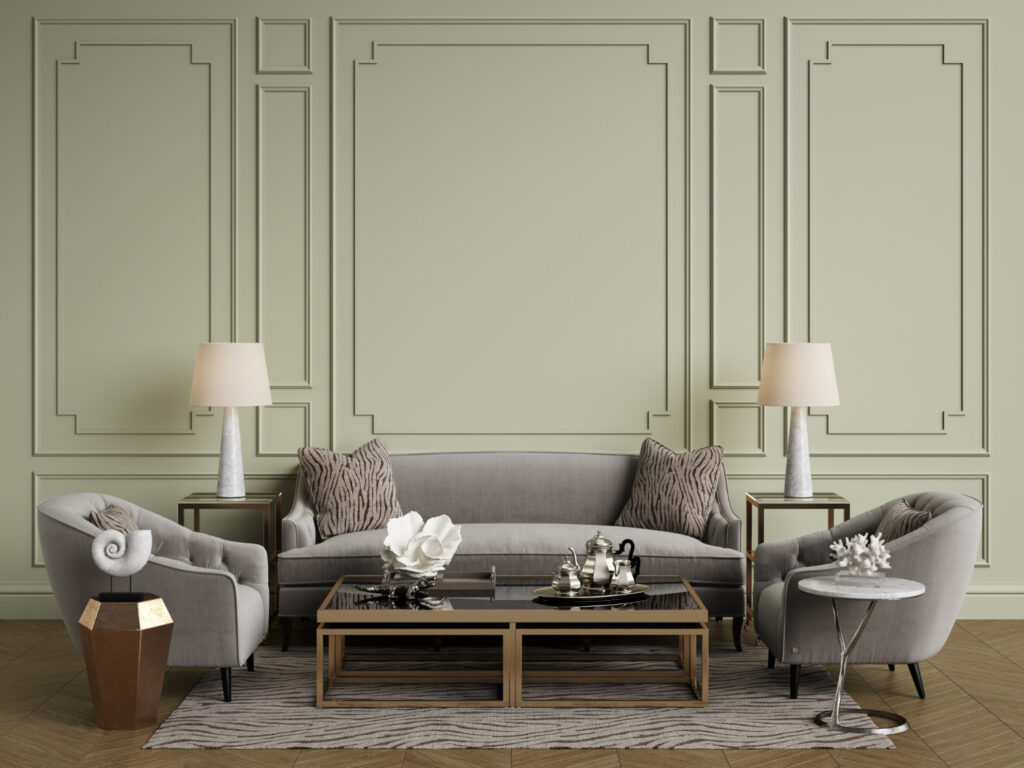
Faux finish wall painting lets you create the look of expensive materials like marble, wood, or stone using just paint and simple tools. This decorating technique adds texture and depth to your walls without the high cost of real materials. Faux finishing uses special painting methods to make surfaces look like something else, giving any room a custom, high-end appearance.
You don’t need to be a professional artist to get great results with faux painting. Many techniques are easy to learn with some practice and patience. The right approach can turn plain walls into eye-catching features that look like they cost thousands of dollars.
In this guide, you’ll find everything you need to know about painting faux finish techniques and how to get the best results.
- What faux finish painting is and why it’s popular
- Most popular faux finish painting techniques
- How to prepare walls for faux finishing
- Tools and materials needed for faux finishes
- Benefits of professional faux finish painting
Keep reading to learn which faux finish technique suits your space, what materials pros use, and how to achieve results that hold up for years.
What faux finish painting is and why it’s popular
Faux finish painting uses special techniques to make surfaces look like expensive materials such as marble, wood, or stone. This approach to interior decorative painting has grown popular because it adds visual interest to spaces without the high cost of real materials.
How faux finishes mimic natural materials
Faux finish techniques work by layering paints and glazes to copy the patterns and textures found in nature. You can create the veined appearance of marble by applying darker paint over a lighter base coat with specific brushstrokes. Wood grain effects use tools like combs or specialized brushes to pull through wet glaze in the direction real wood grain flows.
The process builds depth through multiple thin layers rather than one thick coat. Each layer adds to the illusion of the real material. Stone textures often involve dabbing or sponging paint to create the rough, uneven surface you see in actual stone.
The success of these decorative wall finishes depends on understanding how light interacts with real materials. Marble has both shiny and dull areas. Aged plaster shows wear in high-traffic spots. When you study these details, your faux finish looks more convincing.
Design impact on modern interiors
Faux finishes give you design flexibility that solid materials cannot match. You can update a room’s entire look with paint instead of construction work. This makes interior decorative painting an affordable way to change your space.
These techniques add dimension to flat walls. A room with faux marble columns creates a sense of grandeur. Walls painted to look like aged plaster bring warmth and character to modern interior painting solutions for contemporary spaces.
You also gain creative control over color and pattern. Real marble comes in limited colors, but faux marble can match any palette. You can adjust the intensity of wood grain or the amount of distressing on a painted surface.
Where faux finishes are commonly used
Decorative wall finishes work well in living rooms and dining rooms where you want to make a statement. Feature walls with faux marble or stone become focal points that draw attention.
Bathrooms often use faux finishes because they provide the look of luxury materials in moisture-prone areas. You get the appearance of marble without worrying about sealing natural stone.
Commercial spaces like hotels and restaurants use these techniques to create upscale atmospheres. Columns, trim and molding, and accent walls receive faux treatments to add visual appeal. Home offices and entryways also benefit from these decorative touches that make smaller spaces feel more refined.
Most popular faux finish painting techniques
Faux painting techniques transform ordinary walls into surfaces that mimic materials like marble, suede, or stone. These methods combine paint, glaze, and specific tools to create textured paint effects that add depth and character to any room.
Sponging and rag rolling effects
Sponging creates a soft, mottled appearance on your walls using a natural sea sponge. You apply a base coat first, then dab a second color over it with the sponge to build up layers of texture. This technique works well in any room and is one of the easiest methods for beginners.
Rag rolling produces a more dramatic effect than sponging. You twist a lint-free rag into a roll, then roll it across wet glaze on your wall. This creates irregular patterns that look like crushed fabric or leather.
Both techniques offer flexibility in color choices. You can use similar colors for subtle texture or contrasting shades for bold statements. The tools you need are inexpensive and the process is forgiving, which means you can fix mistakes easily.
Venetian plaster and polished finishes
Venetian plaster gives your walls the look of polished marble or limestone. You apply thin layers of plaster compound with a trowel, building up multiple coats. Each layer gets burnished with the trowel to create a smooth, glossy surface.
This technique requires more skill than sponging but produces striking results. The finish has depth because light reflects differently off each layer of plaster. You can tint the plaster to match any color scheme.
The final step involves polishing the surface with fine sandpaper and wax. This creates a luminous sheen that catches light throughout the day. Venetian plaster works especially well in formal spaces like dining rooms and entryways.
Color washing and glazing methods
Color washing creates a translucent, watercolor-like effect on walls. You brush or sponge a thin glaze over your base coat in loose, random strokes. The base color shows through the glaze, creating soft variations in tone.
This method works best with lighter colors and produces a gentle, aged appearance. You can layer multiple glaze colors to add complexity. The technique hides wall imperfections better than flat paint.
Glazing involves mixing transparent glaze medium with paint to create depth. You apply the glaze over a base coat using brushes, rags, or specialty tools. Different application methods produce different textured paint effects, from subtle variations to dramatic patterns.
How to prepare walls for faux finishing
Proper wall preparation makes the difference between a faux finish that looks professional and one that highlights every flaw. Clean surfaces, smooth walls, and the right base coat create the foundation needed for any decorative painting technique to succeed.
Surface cleaning and priming steps
Start by removing all dust, dirt, and grease from your walls. Use a damp cloth with mild soap to wipe down the entire surface. Pay extra attention to areas around light switches, doorknobs, and baseboards where oils from hands accumulate.
Let the walls dry completely before moving forward. This usually takes about two hours in normal conditions.
Apply a quality primer once your walls are clean and dry. Primer seals the surface and helps your paint layers stick properly. It also prevents the base coat from being absorbed unevenly into the wall.
Choose a primer that matches your project needs. Use a stain-blocking primer if you’re covering dark colors or water stains. For new drywall, pick a primer designed specifically for that purpose.
Repairing imperfections before painting
Fill any holes, cracks, or dents with spackling compound or joint compound. Use a putty knife to press the filler into damaged areas. Smooth it level with the surrounding wall surface.
Sand the patched areas once they’re completely dry. Use fine-grit sandpaper (120-grit works well) to create a smooth, even surface. Run your hand over the repair to check for bumps or ridges.
According to the U.S. EPA, homes built before 1978 should be treated as containing lead-based paint unless a certified inspection proves otherwise, and 87 percent of homes built before 1940 have some lead-based paint present. Sanding surfaces in older homes can release lead dust, so always hire a lead-safe certified contractor for prep work in pre-1978 properties.
Wipe away sanding dust with a slightly damp cloth. Even small amounts of dust can show through your faux finish and create unwanted texture. Check the walls from different angles in good lighting to spot any remaining flaws.
Choosing the right base coat color
Your base coat color affects the final appearance of your faux finish. Pick a shade that complements or contrasts with your top coat colors. Lighter base coats work well for techniques that need depth and dimension.
An interior color consulting service can help you select base and top coat combinations before you commit to a full wall. This saves time and avoids costly color mismatches.
Test your color combination on a sample board before painting the entire wall. Apply both the base coat and your faux technique to see how they interact. Consider the room’s lighting when selecting your base coat, and paint a small section to observe it at different times of day before committing.
Tools and materials needed for faux finishes
Faux finishing requires specific brushes, paints, and protective tools to create realistic textures that mimic materials like wood, marble, or stone. The right combination of specialty applicators and quality glazing products makes the difference between amateur and professional-looking results.
Specialty brushes and sponges
You need different brushes for different faux finish techniques. Stippling brushes have stiff bristles that create texture when you dab them onto wet glaze. Softening brushes have long, fine bristles that blend colors and remove harsh lines.
Flogging brushes feature long bristles that drag through glaze to create wood grain patterns. You can also use chip brushes for applying base coats and glazes in tight spaces.
Natural sea sponges create organic, irregular patterns that synthetic sponges cannot match. They work well for creating stone and granite effects. You should have at least two different sponge sizes for varied texture.
Feathers and combing tools help you achieve specific effects like wood grain veining. Stencil brushes let you add detailed patterns over your base finish.
Glazing compounds and texture paints
Glazing compounds extend your working time and add translucency to your finish. Water-based glazes clean up easily and dry faster than oil-based options. Oil-based glazes give you more working time for complex techniques.
According to the U.S. EPA, water-based paints generally emit fewer chemicals and lower levels of chemical vapors than oil-based alternatives, making them the healthier choice for interior faux finish work. When mixing glaze with paint, a typical starting ratio is four parts glaze to one part paint, adjustable based on how much transparency you want.
Specialty texture paints contain additives that create raised surfaces. Some products mimic plaster, stucco, or aged surfaces right out of the container. Metallic paints add shimmer for Venetian plaster or aged metal effects.
Protective and blending tools
Painter’s tape protects edges and creates clean lines between different finish areas. Blue tape works for most surfaces, while delicate surface tape prevents damage to wallpaper or fresh paint.
Drop cloths protect your floors and furniture from drips and spills. Canvas drop cloths absorb paint better than plastic ones and won’t slip under your feet.
Steel trowels spread texture compounds and create smooth Venetian plaster finishes. Plastic trowels work for lighter texture applications. You need lint-free rags for blending colors and removing excess glaze.
Sandpaper in various grits smooths texture between coats. A paint tray and liners make it easy to work with multiple colors without constant cleanup.
Benefits of professional faux finish painting
Hiring skilled painters for faux finishes ensures precise application, durable results, and a polished look that stands the test of time. Professional expertise transforms basic walls into surfaces that mimic expensive materials while maintaining their beauty for years.
Custom and high-end aesthetic appeal
Professional painters create faux finishes that replicate costly materials like marble, wood grain, suede, and stone without the expense of installing real surfaces. You get the luxurious appearance of premium materials at a fraction of the cost. This makes high-end design accessible for any budget.
Trained specialists understand how to match faux finishes to your specific architectural style and personal preferences. They can customize textures, colors, and patterns to complement your existing decor. Whether you want the elegance of Venetian plaster or the warmth of wood grain, professionals tailor the finish to your vision.
The versatility of professional faux painting extends beyond basic mimicry. Experts layer colors and glazes to create depth and dimension that flat paint cannot achieve. These techniques add visual interest to plain walls and can make small rooms feel larger or highlight specific architectural features. For a more understated result, a soft interior wall makeover using layered color washing is another option professionals offer.
Long-lasting decorative durability
Professional application ensures your faux finish maintains its appearance for many years with minimal maintenance. Skilled painters use quality materials and proper sealing techniques that protect the decorative surface from wear, moisture, and fading.
When applied correctly, faux finishes resist chipping and peeling better than amateur attempts. Professionals prepare surfaces thoroughly before painting and apply each layer with precision. This attention to detail prevents common problems like cracking or bubbling.
According to the U.S. EPA, VOC concentrations indoors can run 2 to 5 times higher than outdoor levels, and paints, varnishes, and glazes are among the primary sources. Professional painters who use low-VOC products and ensure proper ventilation during application protect both the durability of the finish and the health of your household.
Expert blending and texture control
Creating convincing faux finishes requires advanced skills in color mixing and tool manipulation that professionals develop through extensive training. They know exactly how much glaze to apply, when to blend colors, and which tools produce specific effects.
Professional painters achieve consistent results across entire walls and rooms. They maintain uniform texture and color variation that looks natural rather than patchy or amateurish. This consistency matters especially in larger spaces where mistakes become obvious.
Specialists understand how lighting affects faux finishes throughout the day. They adjust their techniques to ensure the texture and color look appealing in both natural and artificial light. This expertise prevents disappointment when the finished room doesn’t match your expectations.
Conclusion
Faux painting gives you the power to transform ordinary surfaces into something special. You can recreate the look of marble, wood, or suede without spending money on expensive materials. These techniques work on walls, furniture, and counters.
The skills you need are easier to learn than you might think. Basic methods like sponging, ragging, and color washing require only simple tools and some practice. You don’t need years of training to achieve good results.
Your success depends on proper preparation and patience. Take time to practice your chosen technique on a sample board before you start on your actual surface. This helps you understand how the paint behaves and what your finished look will be.
You have many options to choose from based on your skill level and desired effect. Start with simpler techniques if you’re new to faux painting. You can always move on to more complex finishes as your confidence grows.
The effort you put into a faux finish project pays off in the final result. Your space will have a custom, high-end appearance that reflects your personal style. Contact Greenhaus today to bring professional faux finish painting to your home and get results that last for years to come.

