
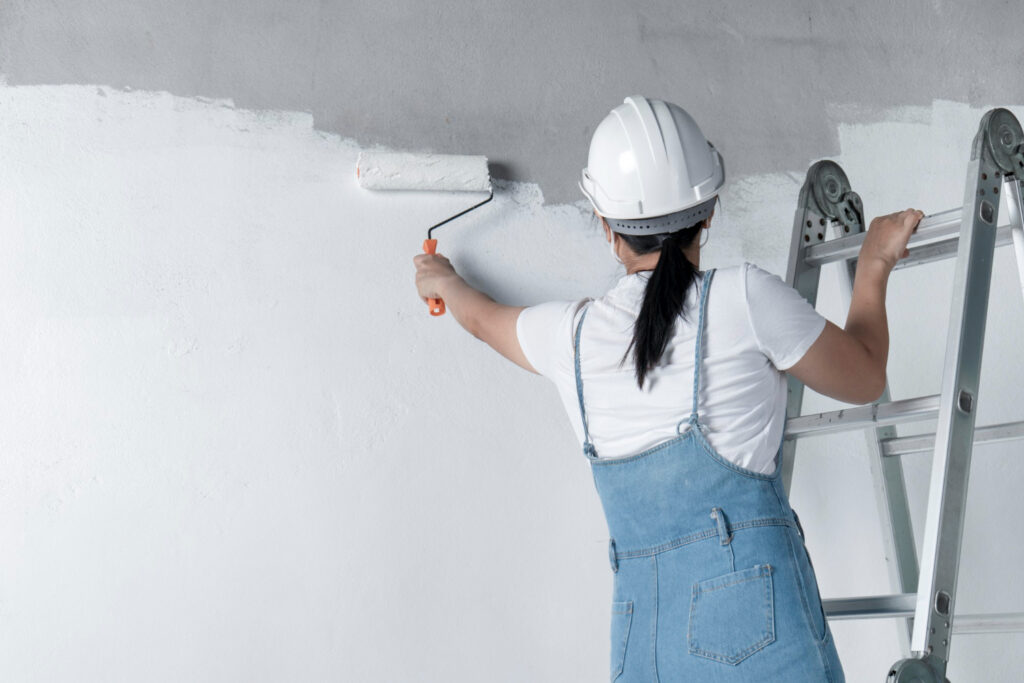
Your living room, bedroom, or dining area walls tell the story of your home, and fresh paint transforms tired spaces into inviting rooms that reflect your style while improving air quality and protecting your walls. In Norwalk CT, homeowners choose wall repainting to update outdated colors, cover wear and tear, and create healthier living environments for their families.
Professional painters in the area understand the unique needs of local homes, from coastal humidity concerns to the specific paint types that work best in Connecticut’s climate. The right preparation, quality materials, and skilled application make the difference between a paint job that lasts a few years and one that stays beautiful for a decade or more.
This guide walks you through everything you need to know about repainting your living space walls in Norwalk CT. You’ll learn why professional services deliver better results, how to plan your project, what the painting process involves, and when to schedule your wall refresh.
Here’s what you’ll find below:
- Why homeowners in Norwalk CT choose professional wall repainting services
- Planning your living space wall repainting project in Norwalk CT
- Professional interior wall repainting process in Norwalk CT
- Paint types and finishes used for living space walls
- When to schedule living space repainting in Norwalk CT
Keep reading to know how living space wall repainting Norwalk CT helps refresh interior rooms, protect wall surfaces, and update the look of your home.
Why homeowners in Norwalk CT choose professional wall repainting services
Fresh paint transforms tired living spaces while protecting walls from daily damage. Professional wall repainting Norwalk CT services deliver quality results that last longer than DIY approaches.
How fresh wall paint improves interior appearance
New wall paint instantly updates the look of your living spaces. Colors that once felt bright and clean fade over time from sunlight exposure and daily wear. A fresh coat brings back the original vibrancy or creates an entirely new atmosphere in your home.
Paint color choices affect how rooms feel and function. Lighter shades make small spaces appear larger and brighter. Darker tones add warmth and intimacy to larger areas. Neutral colors provide flexibility for changing furniture and decor without needing another paint job.
Per the U.S. Department of Energy, choosing light colors for wall surfaces can help minimize the need for artificial lighting, which supports using lighter repainting colors in smaller or dimmer living spaces to improve brightness and openness.
Professional painters in Norwalk understand how local lighting conditions affect color appearance. The coastal environment and seasonal light variations mean colors may look different than expected. Experts help you select shades that work well in your specific rooms throughout the year.
Protecting interior surfaces from everyday wear
Wall paint creates a protective barrier against moisture, dirt, and physical contact. High-traffic areas like hallways, kitchens, and children’s rooms take the most abuse. Quality paint products resist staining and allow for easier cleaning without damaging the underlying surface.
Different rooms need different paint finishes:
- Flat or matte: Hides wall imperfections but less washable
- Eggshell: Slight sheen with moderate durability
- Satin: Good for high-traffic areas, easy to clean
- Semi-gloss: Moisture-resistant for bathrooms and kitchens
Professional wall repainting Norwalk services apply proper prep work before painting. This includes filling holes, sanding rough spots, and priming stained areas. These steps ensure paint adheres correctly and lasts years longer than quick touch-up jobs.
When living spaces need repainting
Most interior walls need repainting every 5-7 years with normal use. Some signs appear earlier depending on lifestyle factors and room usage. Visible wear patterns tell you when it’s time to schedule professional work.
Watch for these indicators:
- Fading or discoloration from sunlight exposure
- Scuff marks that won’t wash away
- Peeling or cracking paint surfaces
- Crayon or marker stains from children
- Water damage marks or mildew spots
- Outdated colors that no longer match your style
Kitchens and bathrooms often need attention sooner due to moisture and temperature changes. Homes with pets or young children typically require more frequent updates in main living areas.
Benefits of professional interior repainting
Professional painters complete work faster than homeowners working alone. What might take you several weekends gets done in days with proper equipment and experience. You avoid the physical strain of prep work, painting, and cleanup.
Quality results come from proper technique and materials. Professional wall repainting Norwalk CT companies use premium paints that provide better coverage and durability. They apply consistent coats without drips, streaks, or missed spots that show up in certain lighting.
The process includes moving furniture safely, protecting floors and fixtures, and thorough cleanup. Professionals carry insurance that covers any accidental damage during work. You get warranties on both labor and materials that protect your investment.
Cost effectiveness comes from doing the job right the first time. Poor prep work or cheap materials lead to early failure and repainting sooner than necessary. Professional services save you money over time through longer-lasting results.
Planning your living space wall repainting project in Norwalk CT
A successful repainting project requires careful consideration of colors, lighting conditions, and proper preparation to achieve the results you want. Your choices in paint color and wall design will directly impact how your living room feels and functions for years to come.
Selecting colors that match furniture and lighting
Start by looking at your existing furniture pieces and their dominant colors. If you have a brown leather sofa, warm neutrals like beige or taupe create a cohesive look. Dark furniture works well with lighter wall colors to prevent the room from feeling too heavy.
Your lighting fixtures also play a major role in color selection. Warm-toned light bulbs make cool colors like blue and gray appear different than they would under natural daylight. Test paint samples on your walls and observe them at different times of day under your actual lighting.
Consider using a color wheel to find complementary shades. Colors opposite each other on the wheel create contrast, while adjacent colors provide harmony. Keep in mind that bold colors can make furniture stand out, while neutral walls let your decor take center stage.
Considering natural light and room size
North-facing rooms in Norwalk CT receive less direct sunlight and benefit from warmer paint colors to add brightness. South-facing spaces get abundant natural light, so cooler tones work well without making the room feel cold.
Small living spaces appear larger with light colors like white, cream, or pale gray. These shades reflect more light and create an open feeling. Dark colors absorb light and can make a small room feel cramped, though they add drama to spacious areas.
Window size and placement affect your color choices too. A room with large windows can handle darker colors because natural light balances them out. Rooms with minimal windows need lighter shades to maximize available light.
Designing accent or feature wall options
An accent wall adds visual interest without overwhelming your living space. Choose one wall as your focal point, typically the wall behind your sofa or the one you see when entering the room. Paint it a bolder color while keeping other walls neutral.
Popular accent wall approaches:
- Bold color contrast – Use a deep blue or forest green against white walls
- Textured finish – Add dimension with specialty paint techniques
- Two-tone walls – Split the wall horizontally with different colors
- Geometric patterns – Create modern designs with painter’s tape
Keep your accent wall coordinated with at least one element in the room, such as throw pillows or artwork. This creates a unified look rather than a disconnected design choice.
Preparing rooms before painting starts
Move all furniture away from walls or into the center of the room covered with drop cloths. Remove wall decorations, switch plates, and outlet covers to ensure clean paint lines. Patch any holes or cracks with spackle and sand smooth once dry.
Clean your walls with a damp cloth to remove dust and dirt that prevents paint adhesion. Tape off trim, baseboards, and ceiling edges with painter’s tape for sharp boundaries. Protect your floors with canvas drop cloths, which are more durable than plastic sheets.
Most professional painters in Norwalk CT recommend applying primer first, especially when covering dark colors or painting new drywall. Primer creates a uniform surface and helps your topcoat adhere properly. Plan to keep the room well-ventilated during and after painting by opening windows and using fans.
Professional interior wall repainting process in Norwalk CT
Professional painting contractors in Norwalk CT follow a specific process to ensure your walls look fresh and last for years. Each step builds on the previous one to create a smooth, even finish that protects your walls.
Cleaning, sanding, and repairing wall surfaces
Your walls need proper preparation before any paint touches them. Residential repainting contractors Norwalk CT start by removing dust, dirt, and grease from your walls using specialized cleaning solutions. This step is critical because paint won’t stick properly to dirty surfaces.
After cleaning, painters sand down rough spots and old paint edges. This creates a smooth base for the new paint. They use different grades of sandpaper depending on your wall’s condition.
Next comes repair work. Contractors fill holes, cracks, and dents with spackle or joint compound. They let these patches dry completely, then sand them flush with the wall surface. Larger damage might require additional attention, including replacing damaged drywall sections.
The preparation phase takes significant time but makes the difference between a paint job that lasts years versus one that chips or peels within months.
Applying primer for smooth paint adhesion
Primer creates a uniform surface that helps your final paint coat adhere properly. An interior wall repainting service applies primer to all repaired areas and, in many cases, to your entire wall surface. Fresh drywall always needs primer because it absorbs paint unevenly without it.
Different primers serve different purposes. Stain-blocking primers cover water marks, smoke damage, or dark colors you want to hide. Bonding primers work on glossy surfaces that regular paint won’t stick to properly.
Contractors let the primer dry according to manufacturer specifications, usually 2-4 hours. Some situations require a second primer coat, especially when covering dramatic color changes or persistent stains.
Precision painting for even color coverage
Professional painters apply paint in thin, even coats rather than one thick layer. This technique prevents drips, runs, and uneven color. They start by cutting in around edges, corners, and trim with brushes, then use rollers for larger wall areas.
Most interior wall repainting service projects require two coats of paint for proper coverage. The first coat provides base coverage, while the second coat ensures consistent color and durability. Darker colors or lighter shades over dark walls might need three coats.
Painters maintain a wet edge while working to avoid lap marks where dried and wet paint meet. They work systematically across each wall without stopping in the middle.
Final inspection and detail touch-ups
After the final coat dries, contractors inspect every wall under proper lighting. They look for missed spots, thin coverage, or imperfections that need correction. Good lighting reveals problems you might miss in dim conditions.
Touch-ups happen next. Painters fix any small areas that need extra attention, carefully feathering new paint into surrounding areas so repairs blend invisibly.
They also check edges where walls meet ceilings or trim. Clean, straight paint lines here show quality workmanship. Any paint that got on trim or ceilings gets carefully removed.
Paint types and finishes used for living space walls
The right paint type and finish affects how your living room looks and performs over time. Matte and eggshell finishes hide wall flaws while staying easy to clean, durable paints handle busy family areas, modern color palettes complement Connecticut home styles, and low-odor options keep your indoor air fresh.
Popular matte and eggshell finishes for interiors
Matte finishes create a smooth, non-reflective surface that hides minor wall imperfections like small cracks or uneven textures. This finish works well if you want a soft, sophisticated look in your Norwalk living space. The lack of shine gives walls a clean appearance, though matte paint can be harder to wipe clean than other options.
Eggshell finishes offer a slight sheen that’s barely noticeable but makes cleaning easier than matte. This finish strikes a balance between hiding imperfections and allowing you to remove scuff marks or smudges with a damp cloth. Most homeowners choose eggshell for living room walls because it provides subtle elegance while standing up to regular use.
Both finishes require proper surface preparation before painting. You’ll get better results if you fill holes, sand rough spots, and prime your walls first.
Durable paint choices for high-traffic areas
Satin finishes resist stains and wear better than matte or eggshell options. The slightly glossy surface lets you scrub marks off walls without damaging the paint. This makes satin a smart choice if you have kids, pets, or frequently entertain guests in your living space.
Semi-gloss paint offers even more durability and moisture resistance. You’ll find this finish works best on trim, doors, and accent walls rather than entire rooms since the shine can be too reflective for large wall areas. The high sheen shows every surface imperfection, so your walls need to be very smooth.
Key durability features:
- Washable formulations that handle soap and water
- Scrubbable surfaces rated for repeated cleaning
- Stain-resistant additives that repel common household marks
- Moisture barriers that prevent water damage
Quality matters more than finish type when it comes to longevity. Higher-grade paints contain more pigment and binder, which helps them last longer even with regular cleaning.
Color options that fit modern Connecticut homes
Neutral colors like warm grays, soft beiges, and greige tones match the architectural styles common in Norwalk homes. These shades work with both traditional colonial interiors and updated modern spaces. They also provide flexibility when you change furniture or decor.
White and off-white shades remain popular for their ability to make rooms feel larger and brighter. Benjamin Moore’s Simply White and Sherwin-Williams’ Alabaster are frequently used in Connecticut living spaces. These colors reflect natural light well, which matters during darker winter months.
Trending color families:
- Warm neutrals (greige, taupe, sand)
- Cool grays (silver sage, dove gray)
- Soft whites (cream, ivory, pearl)
- Earth tones (clay, terracotta, olive)
Bold accent walls in navy, forest green, or charcoal add depth without overwhelming your space. These darker shades pair well with neutral main walls and highlight architectural features like fireplaces or built-in shelving.
Low-odor and eco-friendly paint solutions
Low-VOC and zero-VOC paints reduce harmful fumes during and after application. VOCs are chemicals that evaporate into your air and can cause headaches, dizziness, or respiratory issues. Connecticut residents often prefer these options for indoor projects, especially in homes with children or family members who have allergies.
Many major paint brands now offer low-odor formulas as standard products. You don’t have to sacrifice quality or durability to get cleaner air. These paints dry at similar rates to traditional options and provide comparable coverage.
Eco-friendly paints may include recycled materials, natural pigments, or plant-based ingredients. Some brands use milk proteins, clay, or mineral bases instead of synthetic compounds. These products typically cost more but reduce your environmental impact and improve indoor air quality for years after application.
When to schedule living space repainting in Norwalk CT
Timing your living space repainting project correctly helps you get the most value from your investment and keeps your Norwalk home looking its best. Certain life events and home conditions signal the ideal moments to refresh your walls with new paint.
Before selling or renting your home
Fresh paint significantly increases your home’s appeal to potential buyers or renters in Norwalk’s competitive real estate market. Neutral, well-applied paint makes rooms appear larger, cleaner, and better maintained.
You should repaint at least 2-4 weeks before listing your property. This timeline gives the paint time to cure completely and allows any odors to dissipate before showings begin.
Focus on high-impact areas first if you have budget constraints. Living rooms, dining rooms, and main hallways create the strongest first impressions during home tours.
Choose neutral colors like soft grays, warm whites, or beige tones. These shades appeal to the widest range of buyers and help them envision their own furniture in the space.
During interior remodeling projects
Repainting works best when coordinated with other renovation work in your living spaces. You save time and money by combining projects rather than scheduling them separately.
Schedule painting after any structural work but before installing new fixtures or furnishings. This prevents damage to expensive items and eliminates the need to move everything twice.
Your painters can work more efficiently in empty or partially furnished rooms. They gain better access to walls and trim without obstacles in their way.
Consider repainting adjacent rooms at the same time. This approach ensures color consistency and takes advantage of the painters already being in your home.
After furniture or flooring updates
New furniture or flooring often makes existing wall colors look dated or mismatched. Updating your paint creates a cohesive look that ties your design elements together.
You should repaint within a few months of major furniture purchases or flooring installations. This timing keeps your living space looking intentionally designed rather than pieced together over time.
Bring fabric swatches, furniture photos, or flooring samples when selecting paint colors. These references help you choose shades that complement your new pieces rather than clash with them.
Test paint samples on your walls in different lighting conditions. Natural light from Norwalk’s coastal location can affect how colors appear throughout the day.
When walls show fading, scuffs, or damage
Visible wear on your living space walls indicates it’s time for fresh paint. Most living rooms need repainting every 5-7 years depending on use and sun exposure.
Common signs you need to repaint:
- Noticeable fading near windows or skylights
- Scuff marks that won’t clean off
- Stains from spills or water damage
- Cracks or peeling paint
- Outdated colors from previous decades
South and west-facing rooms in Norwalk homes fade faster due to increased sun exposure. These spaces may need repainting more frequently than north-facing rooms.
Address water stains or cracks immediately rather than waiting for your regular repainting schedule. These issues can indicate underlying problems that need repair before you apply new paint.
Conclusion
Fresh paint transforms your rooms and creates a healthier environment for your family. You get rid of years of dirt and stains while updating your home’s look.
Your living room, bedrooms, and other spaces deserve careful attention. Professional painters prepare surfaces properly and use the right techniques for lasting results.
The right paint finish matters for each room. Kitchens need different paint than bedrooms. Bathrooms require moisture-resistant options. Experienced painters know these details.
You should choose painters who offer thorough assessments of your space. They help you pick colors that match your style and provide clean, precise work.
Budget time for proper preparation work. Good painters clean surfaces, fill holes, and apply primer when needed. These steps ensure your new paint lasts longer.
Local Norwalk painting companies understand the specific needs of homes in Fairfield County. They work with colonial houses, modern developments, and seaside properties. You get results that fit your home’s character while meeting your family’s needs.
Contact Greenhaus Painting to schedule living space wall repainting in Norwalk, CT and refresh your interior walls with a clean, durable finish that fits your home’s style.

