
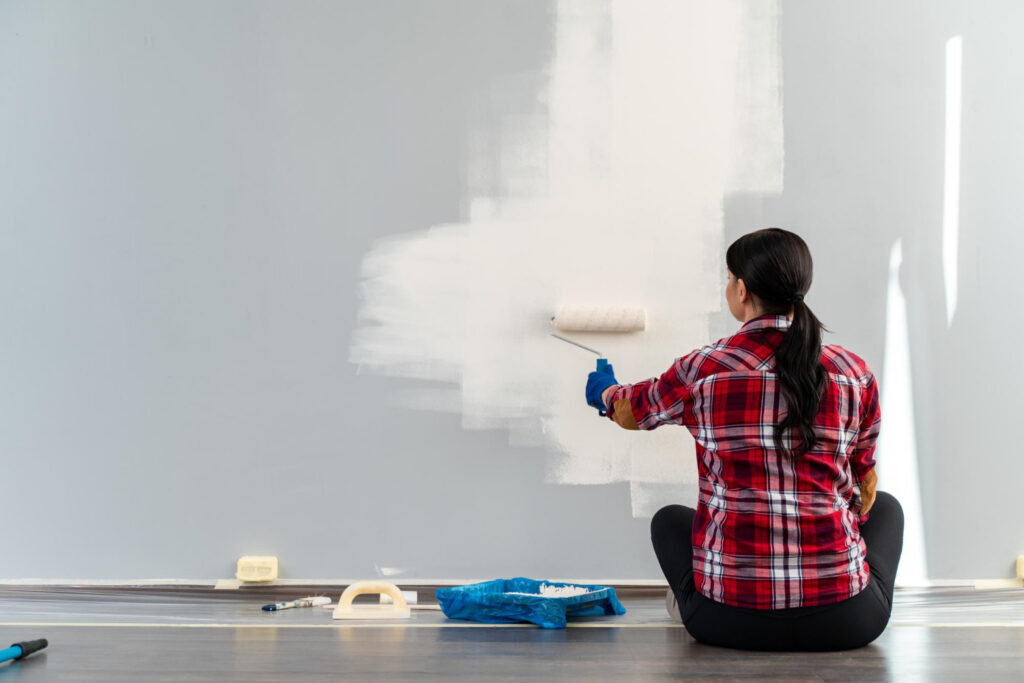
When you need to prep and repair interior walls in Wilton CT, opening a can of paint is only the last step. Cracks, holes, uneven surfaces, and old damage all show through new paint if they are not fixed correctly, and rushing past preparation is the most common reason paint jobs fail within the first year.
In this article, you’ll learn why wall preparation directly affects how your paint looks and lasts, what types of damage are most common in Wilton homes, how professionals approach the repair process, and when to call in expert help instead of doing the work yourself.
Here’s what you’ll find below.
- Why wall preparation matters before interior painting
- Common interior wall damage found in Wilton CT homes
- Professional wall prep and repair process in Wilton CT
- Benefits of hiring local interior repair contractors in Wilton CT
- When homeowners should schedule wall prep and repair services
Keep reading to learn how proper wall preparation protects your paint investment and produces results that hold up through Connecticut’s seasonal climate changes.
Why wall preparation matters before interior painting
Proper wall preparation directly affects how long your paint lasts and how professional it looks. When you skip prep steps, you risk paint failure, visible imperfections, and costly repairs down the road.
How proper prep improves paint durability
Paint needs a clean, stable surface to form a strong bond with your walls. When you apply paint over dust, grease, or loose material, the paint adheres to that debris instead of the wall itself. This weak connection causes the paint to fail prematurely.
Washing your walls removes oils from cooking, handprints, and everyday grime that prevent paint adhesion. You should also sand glossy surfaces to create texture that helps new paint grab onto the wall. Without this step, fresh paint can peel away in sheets within months.
Temperature and humidity during application matter too, but surface preparation remains the foundation. A properly prepped wall in Wilton CT allows paint to cure correctly and resist moisture, temperature changes, and normal wear. You get years of protection instead of touch-ups within the first year.
Fixing surface damage for a smooth finish
Dents, holes, and cracks become more visible after you paint over them. Paint actually highlights these flaws because it reflects light differently across uneven surfaces.
Common wall damage that needs repair:
- Nail holes from picture frames and shelving
- Dents from furniture and doorknobs
- Cracks along ceiling lines and corners
- Torn drywall paper from tape removal
Quality drywall repair and painting in Wilton CT starts with filling these imperfections with spackling compound or joint compound. Small holes need one coat while larger damage requires multiple applications. Each layer must dry completely before you sand it smooth.
You should feather the edges of repairs so they blend into the surrounding wall. This technique prevents visible bumps or ridges under your paint. Check your work by holding a light at an angle to the wall, which reveals any remaining imperfections.
Preventing future wall peeling and cracking
Paint peels when moisture gets trapped behind it or when it lacks proper adhesion. Preparation steps address both causes before they become problems.
Primer creates a uniform surface that seals porous areas and covers stains. It prevents the topcoat from soaking into repairs at different rates, which would cause blotchy appearance and weak spots. New drywall especially needs primer because exposed paper and joint compound absorb paint differently.
Caulking gaps between walls and trim stops moisture infiltration. Water entering these spaces causes paint to bubble and peel. You should also check for active leaks or dampness before painting, as these issues will destroy even the best paint job.
Proper surface preparation in Wilton CT accounts for seasonal humidity changes. Walls need to acclimate to room temperature before painting, and repairs must cure fully. Rushing these steps traps moisture that will push paint away from the wall later.
Creating a professional interior appearance
Visible brush marks, roller stipple, and uneven sheen all stem from poor preparation rather than painting technique. When your walls have rough patches, old paint drips, or spackle residue, these texture differences show through new paint.
Sanding smooths repairs and removes imperfections that catch your eye. It also dulls glossy areas so new paint adheres evenly. You don’t need to sand entire walls down to bare drywall, but you should address obvious rough spots.
Cleaning removes cobwebs from corners and dust from baseboards that would mix into wet paint. These particles create a gritty texture and prevent smooth application. A simple wash with mild detergent eliminates this problem.
Straight tape lines around trim and ceilings give your room clean edges that look professionally done. Taking time to position tape carefully and seal its edges prevents paint bleed. The difference between amateur and professional results often comes down to these preparation details.
Common interior wall damage found in Wilton CT homes
Homes in Wilton face specific types of wall damage due to the area’s climate, older construction, and normal daily use. Most residential wall repair Connecticut projects involve fixing these same recurring issues.
Small holes, scuffs, and furniture marks
Your walls take hits from doorknobs, moving furniture, hanging pictures, and general household activity. These marks show up most often in hallways, behind doors, and near light switches.
Doorknob dents create round impressions in drywall. Picture hangers leave small holes when you remove them. Chair backs and table edges scrape paint and gouge surfaces.
Kids and pets add their own damage patterns. Toy impacts, scratches from pet claws, and scuff marks from shoes all affect wall surfaces. These problems seem minor but multiply over time.
The good news is that small damage fixes quickly. Spackling compound fills nail holes. Light sanding smooths scuff marks. A fresh coat of paint often covers most surface issues. Deeper gouges need more attention with drywall patches before painting.
Drywall cracks from house settling
Connecticut’s freeze-thaw cycles cause foundations to shift slightly each year. Your home moves with these changes, creating stress on interior walls.
Common crack types in Wilton homes:
- Hairline cracks where walls meet ceilings
- Diagonal cracks near door frames and windows
- Corner bead separations at outside corners
- Settlement cracks in older Colonial and farmhouse construction
Older Wilton homes show more settling cracks than newer construction. Homes near the Norwalk River Valley face additional moisture-related settling.
Most settling cracks are cosmetic, not structural. You need to monitor them for growth. Cracks wider than 1/4 inch or ones that keep reopening after repair need professional assessment. Standard repairs involve filling with joint compound and applying mesh tape for reinforcement.
Water stains and surface discoloration
Water damage leaves brown or yellow stains on walls and ceilings. The stains come from roof leaks, plumbing problems, or condensation buildup.
Bathroom and kitchen walls show moisture damage most often. Steam from showers penetrates paint and drywall. Sink leaks spread behind walls. Window condensation runs down and soaks into wall surfaces below.
You need to fix the water source before repairing stains. Painting over active moisture problems fails every time. The stains bleed through new paint within weeks.
Once dry, water-stained areas need primer-sealer before painting. Damaged drywall paper requires light sanding. Severe water damage means cutting out affected sections and installing new drywall.
Uneven textures and previous paint layers
Many Wilton homes have textured walls from past decorating trends. Orange peel texture, knockdown patterns, and popcorn finishes create challenges for modern smooth-wall preferences.
Thick paint layers build up over decades. Each new color adds thickness and can hide underlying damage. The paint eventually cracks or peels as it loses flexibility.
Previous repairs often used different texture patterns than surrounding areas. You notice these mismatches most in good lighting. Patches that seemed invisible years ago now stand out.
Smoothing textured walls requires skim coating with joint compound. This process covers old texture with thin layers of compound. Multiple coats and sanding create uniform surfaces ready for paint. Removing heavy paint buildup needs scraping or chemical strippers before applying new finishes.
Professional wall prep and repair process in Wilton CT
A wall prep and repair service follows specific steps to ensure your walls are ready for painting or finishing. Each phase addresses different surface issues that affect the final appearance.
Wall cleaning and surface inspection
Your walls need a thorough cleaning before any repair work begins. Professional contractors remove dust, dirt, grease, and cobwebs using specialized cleaners and tools. This step reveals the true condition of your walls.
During inspection, technicians look for cracks, holes, water damage, and uneven surfaces. They check for signs of moisture problems that could affect repairs. Small hairline cracks get marked for filling, while larger damage areas require more extensive patching.
The inspection also identifies loose paint, peeling sections, and areas where the drywall paper has separated. These problem spots need addressing before moving forward. Your contractor documents all issues to create a repair plan that matches your wall’s specific needs.
Drywall patching and crack filling
Holes in drywall require different repair methods based on their size. Small holes under half an inch get filled with spackling compound applied with a putty knife. Medium holes need a patch kit with mesh backing for support.
Large holes require cutting out damaged sections and installing new drywall pieces. The new piece gets secured with drywall screws and joint compound covers the seams. Multiple thin coats work better than one thick application.
Cracks get filled with flexible filler that prevents them from reopening. Your contractor applies compound slightly above the surface level to account for shrinkage as it dries. Water damage repairs may need additional work to address underlying moisture issues before patching.
Sanding and smoothing uneven areas
Once patches and filler dry completely, sanding creates smooth surfaces. Professionals use fine-grit sandpaper or sanding blocks to level repaired areas with surrounding walls. This process removes ridges and bumps.
Dust control matters during sanding. Many contractors use sanders with vacuum attachments or wet sanding techniques. They work in circular motions to blend edges gradually.
After initial sanding, they feel the wall with their hands to detect remaining imperfections. Additional compound may get applied to low spots, followed by more sanding. This cycle continues until the surface feels completely smooth.
Applying primer for strong paint adhesion
Primer seals the repaired areas and creates a uniform surface for paint. It prevents patched spots from showing through your final paint color. Your wall prep and repair service applies primer to all repaired sections.
Fresh drywall and spackling compound absorb paint differently than existing wall surfaces. Primer equalizes this absorption and ensures consistent paint coverage. Some primers also block stains from bleeding through new paint.
High-quality primers bond well to both old and new surfaces. They typically need 2-4 hours to dry before painting can begin. Primers also help your topcoat paint last longer by creating a strong foundation layer.
Benefits of hiring local interior repair contractors in Wilton CT
Local contractors in Wilton bring specialized skills and local knowledge that make interior wall prep and repair more efficient and effective. They understand regional building standards and can complete work with minimal disruption to your daily routine.
High-quality surface finishing for painting projects
Professional contractors prepare wall surfaces to exact specifications for paint adhesion. They sand down rough spots, fill minor imperfections, and create a uniform texture across the entire surface. This level of preparation prevents paint from peeling or bubbling later.
Interior surface preparation contractors in Wilton CT use commercial-grade tools that achieve smoother finishes than standard DIY equipment. They apply primer coats evenly and know which products work best for different wall materials. Your walls end up with a clean, professional appearance that lasts for years.
Local contractors also spot underlying problems like moisture damage or poor previous repairs. They fix these issues before painting begins. This prevents you from wasting money on paint that won’t stick properly or will show through with stains and discoloration.
Accurate repair of small and large wall damage
Professional contractors assess damage correctly and choose the right repair method. Small nail holes require different treatment than large cracks or drywall sections that need replacement. They match textures precisely so repairs blend invisibly with existing walls.
Interior wall repair Wilton CT specialists carry the right materials for every job. They stock various joint compounds, mesh tapes, and drywall patches. This means they complete repairs in one visit instead of multiple trips to the hardware store.
Large repairs like water damage or structural cracks need expert handling. Contractors identify whether damage extends beyond the surface into studs or insulation. They remove all compromised material and rebuild the wall section properly. Their work prevents future problems like mold growth or wall sagging.
Time-saving professional repair methods
Experienced contractors complete wall repairs much faster than homeowners working alone. They know efficient techniques and have specialized tools that speed up every step. A project that might take you a full weekend gets done in a few hours.
Professional teams coordinate multiple tasks simultaneously. While compound dries on one wall, they prep another section. This workflow eliminates wasted time waiting between steps. You get your home back to normal faster.
Local contractors also handle all cleanup and material disposal. You don’t spend extra hours sweeping dust or hauling debris. They arrive with drop cloths and equipment to contain mess during work.
Reduced mess and home disruption
Professional contractors use dust containment systems that keep debris from spreading through your house. They seal off work areas with plastic barriers and run air filtration devices. Your furniture and belongings stay clean.
They protect your floors with heavy-duty coverings and move furniture carefully. All tools and materials get organized in designated spots rather than scattered around. This keeps walkways clear and your home functional during repairs.
Local contractors work on your schedule and complete projects within agreed timeframes. They communicate clearly about when they’ll arrive and how long each phase takes. You can plan your day without unexpected delays or workers showing up unannounced.
When homeowners should schedule wall prep and repair services
Wall prep and repair services become necessary at specific points in your home’s lifecycle. Addressing wall issues at the right time prevents small problems from becoming expensive repairs and ensures professional results for your planned updates.
Before interior painting or color updates
You need to schedule wall prep services before any painting project begins. Holes, cracks, and dents show through fresh paint and make your walls look unprofessional.
Professional painters assess minor drywall damage as part of their prep work. They fill small holes from nails or screws, repair hairline cracks, and smooth rough patches. This creates a clean surface for paint to adhere properly.
Basic wall prep typically includes:
- Filling nail holes and small dents
- Repairing hairline cracks
- Sanding rough spots
- Cleaning walls of dirt and grime
More serious damage requires dedicated repair services before painting starts. Large holes, water damage, or structural cracks need specialized attention that goes beyond standard painter prep work. These issues can compromise your paint job if not properly fixed first.
After furniture installation or remodeling
Moving furniture and completing renovation projects often leaves your walls damaged. Scratches, dents, and holes from mounting hardware need repair to restore your walls.
Schedule repair services once your furniture placement is finalized. This prevents doing the same repairs twice if you decide to rearrange your space. New shelving, TVs, and wall-mounted fixtures create multiple holes that need professional patching.
Remodeling projects create their own wall damage. Removing old fixtures leaves holes and discoloration. Installing new features may require cutting into drywall or adjusting wall surfaces. Your walls need attention after construction work ends to look finished and polished.
When walls show visible damage or aging
Visible cracks, peeling paint, or water stains signal the need for immediate wall repair. These problems worsen over time and can indicate more serious issues.
Common signs your walls need repair:
- Cracks wider than hairline thickness
- Bubbling or peeling paint surfaces
- Water stains or discoloration
- Soft spots that feel spongy when touched
- Visible mold or mildew growth
Water damage requires fast action to prevent mold growth and structural problems. Soft or discolored areas mean moisture has penetrated your drywall. This damage spreads quickly and affects your home’s air quality.
According to the U.S. Environmental Protection Agency, mold can begin developing on damp drywall surfaces within 24 to 48 hours of water exposure. Addressing moisture damage and repairing affected wall sections promptly is essential to maintaining healthy indoor air quality in Connecticut homes.
Cracks that grow or reappear after patching may point to foundation settling or structural movement. These need professional assessment to determine the root cause before repair work begins.
Before selling a home in Wilton, Connecticut
Wall condition directly affects your home’s sale price and buyer interest. Damaged walls make buyers question your home’s overall maintenance and care.
Schedule wall repairs at least two weeks before listing your Wilton home. This gives you time for repairs to cure properly and allows for painting afterward if needed. Fresh, smooth walls photograph better for listings and make positive impressions during showings.
Home inspectors note wall damage in their reports. Cracks, holes, and poor repairs become negotiation points that lower your final sale price. Fixing these issues beforehand removes buyer objections and justifies your asking price.
Buyers in Wilton expect well-maintained homes. Your walls should look clean, smooth, and damage-free to compete with other properties on the market.
Conclusion
Wall preparation is not the visible part of a paint job, but it determines everything about how the finished surface looks and how long it lasts. This guide has covered why proper prep protects your investment, what damage patterns are most common in Wilton CT homes, how professionals work through each repair phase, and the right moments to schedule this service.
Skipping preparation to save time almost always costs more later. Paint applied over unrepaired cracks, dusty surfaces, or poorly primed patches fails faster, looks uneven, and requires touch-ups that a proper prep job would have prevented entirely.
According to the U.S. Department of Housing and Urban Development, well-maintained interior wall surfaces are a direct indicator of a home’s overall structural health and habitability. Addressing surface damage before it worsens protects both the integrity of your walls and the long-term value of your property.
Connecticut’s climate adds a layer of complexity that local contractors understand from experience. Freeze-thaw cycles, seasonal humidity swings, and older construction materials all affect how repairs need to be approached in Wilton homes specifically.
When you’re ready to take the next step, Greenhaus Painting is here to help you get the job done right.

