
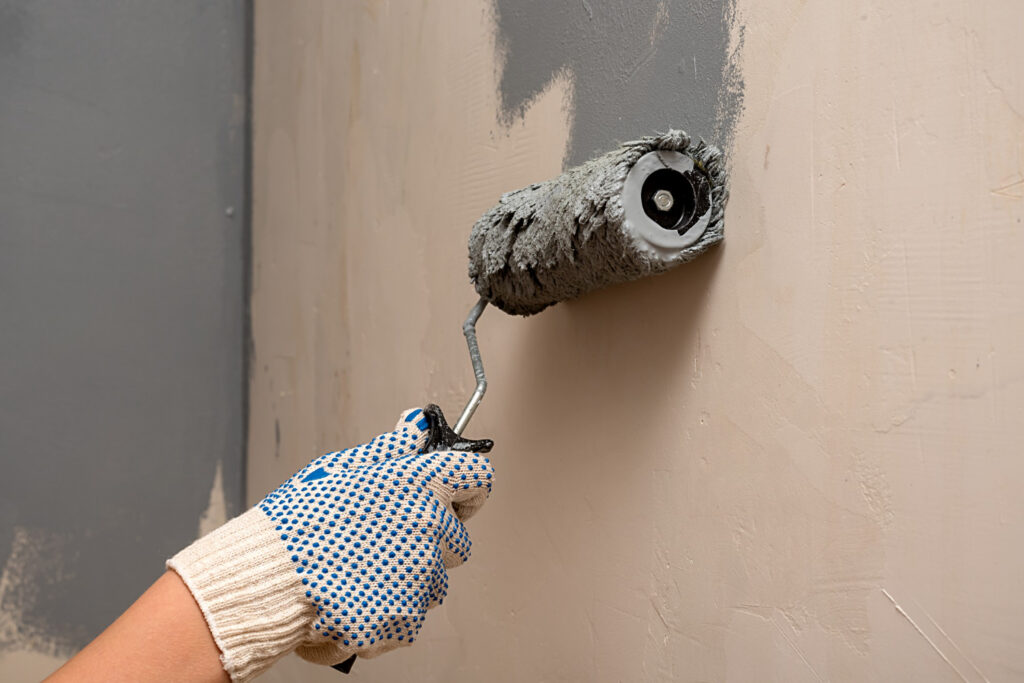
Understanding house painting cost Fairfield County CT homeowners face in 2026 is the difference between a smart investment and a budget surprise. Local pricing depends on more than square footage, and small details in your home’s condition can shift the final number by thousands.
Painting your home in Fairfield County requires a clear understanding of what you’ll actually pay. Most homeowners in Fairfield County can expect to spend between $2.75 and $6.00 per square foot for interior painting and $3,500 to $12,000 or more for exterior projects, depending on home size, condition, and materials. These ranges reflect the real costs you’ll encounter when hiring professional residential painting services in Connecticut.
The price you pay depends on more than just square footage. Your home’s age, the condition of existing surfaces, and the type of siding or trim all affect the final bill. Interior painting cost in CT varies based on ceiling height, the number of rooms, and how much prep work your walls need before the first coat goes on.
This guide breaks down the factors that drive painting costs in Fairfield County. You’ll learn why similar homes receive different quotes, what prep work should be included, and how Connecticut’s climate creates unique challenges for exterior paint jobs. You’ll also discover which cost-cutting measures save money and which ones lead to expensive problems down the road.
In this article, we cover:
- Why homes of similar size vary in painting costs
- Hidden labor often excluded from most price estimates
- Unique challenges of exterior painting in Connecticut
- Long-term issues with low cost paint jobs
- Cost savings strategies for homeowners
Keep reading to understand exactly where your money goes, how to spot lowball quotes that will cost you more later, and how to budget accurately for a paint job that lasts.
Why homes of similar size vary in painting costs
Two 2,500-square-foot homes in Fairfield County can have drastically different painting costs even though they’re the same size. The condition of existing surfaces, architectural details, and age of the property create significant price gaps between projects.
Additional preparation needed for older properties
Older homes require more prep work before any paint touches the walls. Your painter needs to scrape away multiple layers of old paint, sand uneven surfaces, and repair cracks that have formed over decades. Historic properties often have lead paint that requires specialized removal techniques and safety measures, adding $800 to $2,000 to your project cost.
According to the U.S. Environmental Protection Agency, an estimated 24 million older housing units in the country still contain significant lead-based paint hazards, which means many Fairfield County homes built before 1978 will need certified lead-safe work practices that add labor cost to the project. Wood rot is also common in homes built before 1980. Your contractor must replace damaged wood sections on trim, siding, or window frames before painting begins. This repair work adds both material costs and labor hours to your estimate.
Older homes also have settling issues that create gaps and cracks. Your painter needs to caulk around windows, doors, and trim to create a smooth surface. This preparation can add 15-20 hours of labor time compared to newer construction.
Effects of damaged siding on labor time
Damaged siding increases your painting costs significantly because painters can’t simply apply new paint over problems. You’ll pay extra for repairs like filling holes, replacing broken boards, and treating water-damaged areas. Each damaged section needs individual attention before painting starts.
Peeling or bubbling paint means your siding has moisture issues. Your contractor must identify the source, fix it, and let the area dry completely. This process can delay your project by several days and add $500 to $1,500 in costs.
Weathered wood siding absorbs more paint than newer surfaces. You’ll need additional coats to achieve proper coverage, which means more materials and labor hours. A home with compromised siding might require 20-30% more paint than the same-sized home with good surfaces.
Pricing factors for high ceilings and detailed trim
High ceilings require specialized scaffolding and equipment that standard painting jobs don’t need. Your contractor charges more because workers move slower on tall ladders and need extra safety measures. A room with 12-foot ceilings costs 25-40% more to paint than the same room with 8-foot ceilings.
Detailed trim work includes:
- Crown molding
- Chair rails
- Wainscoting
- Window casings
- Door frames
- Built-in shelving
Each trim element needs careful cutting-in and multiple coats. Your painter spends more time on precision work rather than rolling large wall surfaces. Victorian and Colonial homes with extensive millwork can take twice as long to paint as modern homes with minimal trim.
Hidden labor often excluded from most price estimates
Most painting contractors provide initial quotes based on wall area and basic labor. The real cost increases come from repair work, surface prep, and primer applications that weren’t visible during the walkthrough.
Basic quotes rarely include surface repairs
Your home painting estimate typically covers painting over clean, intact surfaces. Most walls have small holes from picture hangers, dents from furniture, or cracks from settling. These issues require filling, sanding, and spot-priming before any paint goes on the wall.
Contractors often discover damage after they start work. Water stains need sealing. Nail pops require setting and mudding. Old wallpaper adhesive needs removal and surface smoothing. Each repair adds 15 to 45 minutes per occurrence.
Drywall repairs alone can add $200 to $800 to your final bill. Ceiling work costs more because it requires special equipment and slower application. Most estimates assume your surfaces need minimal touch-ups, but few homes actually meet that standard.
Dealing with peeling paint: extra scraping and sanding
Peeling or flaking paint requires complete removal before new coats go on. A contractor cannot simply paint over loose material. The new finish will fail within months if old paint isn’t properly scraped away.
Common peeling issues that increase labor:
- Bathroom moisture damage
- Kitchen grease buildup under old paint
- Exterior weathering on interior walls near windows
- Previous latex-over-oil incompatibility
Scraping adds $1.50 to $3.00 per square foot to your costs. Heavily damaged areas need both scraping and sanding to create a smooth base. This prep work often takes longer than the actual painting.
Primer requirements change with existing paint conditions
Your walls might need primer even if the estimate didn’t include it. Stained surfaces, bold color changes, and porous repairs all require sealing before finish coats. Primer prevents bleed-through and ensures proper adhesion.
Dark-to-light color changes need tinted primer plus extra finish coats. Raw drywall patches absorb paint differently than sealed walls, creating visible spots without primer. Smoke damage and pet odors require specialty blocking primers that cost $45 to $75 per gallon versus standard options at $25 to $35.
Most contractors charge $0.50 to $1.25 per square foot for unexpected priming. This step adds time but prevents callbacks for uneven coverage or recurring stains.
Unique challenges of exterior painting in Connecticut
Connecticut’s climate creates specific obstacles that affect how long exterior paint lasts and how much maintenance your home needs. These weather patterns and environmental factors directly impact painting costs and the frequency of repainting projects.
Impact of moisture and seasonal weather
Connecticut experiences high humidity throughout summer months and heavy precipitation year-round. According to the National Centers for Environmental Information, Connecticut averages roughly 50 inches of precipitation annually, well above the U.S. national average, which means exterior surfaces in Fairfield County face constant moisture exposure that breaks down lower-quality finishes faster. This moisture penetrates wood siding and trim, causing paint to peel, blister, and fail prematurely.
Winter freeze-thaw cycles create additional stress on painted surfaces. Water seeps into small cracks, freezes, and expands during cold snaps. When temperatures rise, the ice melts and leaves larger gaps behind.
Your paint needs time to cure properly before winter arrives. Most painters recommend completing exterior work between late spring and early fall when temperatures stay above 50 degrees consistently. This limited painting season can affect scheduling and sometimes increases labor costs due to high demand.
Coastal areas near Long Island Sound face salt air exposure that accelerates paint deterioration. You’ll need premium paints with better moisture resistance in these locations, which adds $500 to $1,200 to typical exterior house painting prices.
Sun exposure and color fading
South and west-facing walls receive intense UV radiation during summer months. This sun exposure breaks down paint pigments and causes noticeable fading within three to five years.
Darker colors fade faster than lighter shades because they absorb more heat. Navy blues, deep reds, and dark grays often show color changes within two years on high-exposure walls.
You can extend paint life by choosing fade-resistant formulas with UV inhibitors. These premium paints cost $15 to $30 more per gallon but maintain their appearance longer. Light and medium colors also hide fading better and reflect heat away from your home’s exterior.
Maintenance needs for wood surfaces
Wood siding requires more preparation work than vinyl or fiber cement materials. Painters must scrape loose paint, sand rough areas, replace damaged boards, and apply primer before topcoats.
Cedar shakes and clapboard siding expand and contract with temperature changes. This movement creates gaps where moisture enters and paint starts peeling. You’ll need to repaint wood surfaces every five to seven years compared to eight to ten years for composite materials.
Trim boards around windows, doors, and corners deteriorate fastest because water runs off these areas. Regular caulking maintenance between paint jobs prevents water damage and reduces long-term repair costs.
Long-term issues with low cost paint jobs
A budget paint job might save money initially, but homeowners often face expensive problems within a few years. Poor materials and rushed work create issues that require costly repairs or complete repainting sooner than expected.
Durability problems with low-quality paint
Cheap paint contains fewer solids and pigments than premium products. This means thinner coverage and faster breakdown when exposed to Connecticut’s weather conditions.
Low-grade paint typically shows visible wear within 2-3 years. You’ll notice fading, chalking, and peeling much faster than with quality products.
The paint film itself lacks proper binding agents. This makes it vulnerable to moisture penetration, which leads to bubbling and cracking. These problems get worse during freeze-thaw cycles common in Fairfield County winters.
Premium paint jobs last 7-10 years or longer with proper maintenance. Budget options rarely make it past year three before needing attention. The money you save upfront gets spent multiple times over through frequent repainting.
Consequences of insufficient preparation
Proper surface preparation takes time and labor, which budget painters often skip to keep costs down. They might skip washing, sanding, or repairing damaged areas before painting.
Common preparation shortcuts include:
- Not filling cracks or holes properly
- Skipping primer on bare surfaces
- Failing to remove loose or peeling old paint
- Not cleaning dirt, mildew, or grease from walls
Paint applied over unprepared surfaces won’t bond correctly. You’ll see peeling and flaking within months rather than years. These failures often require scraping down to bare wood or drywall, then starting the entire process over.
Water damage spreads faster when paint doesn’t seal properly. Rot can develop in wood siding or trim, requiring expensive carpentry repairs beyond just repainting.
Risks of skipping caulking
Many low-cost painters skip or rush caulking to save time and materials. This creates immediate vulnerability at joints, seams, and trim connections.
Gaps around windows, doors, and corners allow water infiltration. Moisture enters your walls and causes structural damage you can’t see until problems become severe. The cost to repair water-damaged framing or insulation far exceeds what proper caulking would have cost.
Missing or improper caulk also reduces energy efficiency. According to the U.S. Department of Energy, air leaks around windows, doors, and trim are a major source of energy loss in homes, and properly sealing them with caulk and weatherstripping can meaningfully reduce heating and cooling costs. You pay more on utility bills while your paint job deteriorates faster from moisture exposure.
Quality caulking should last as long as the paint job itself. Cheap or missing caulk fails within a year, leaving your home exposed to the elements.
Cost savings strategies for homeowners
Smart planning and maintenance can reduce your painting costs by 20-40% while keeping quality high. The timing of your project, regular upkeep, and expert guidance help you avoid expensive mistakes and extend the life of your paint job.
Scheduling projects outside of peak season
Professional house painters Fairfield County charge less during their slower months. Winter and early spring typically offer lower rates than summer and fall when demand peaks. You can save 15-25% on labor costs by booking during January through March.
Painters have more flexibility with scheduling during off-peak times. This means they can dedicate more attention to your project instead of rushing between jobs. The cooler months work well for interior painting since you won’t need to keep windows open for ventilation during cold weather.
Some contractors offer discounts for winter bookings to keep their crews working year-round. Ask about off-season pricing when you request estimates. Just make sure exterior work gets scheduled during dry weather with temperatures above 50 degrees for proper paint adhesion.
Benefits of routine repainting
Regular paint maintenance costs less than waiting for severe damage. Repainting every 7-10 years for interiors and 5-7 years for exteriors prevents wood rot, water damage, and structural issues that require expensive repairs.
Fresh paint protects your home’s surfaces from moisture and wear. Small touch-ups and maintenance coats take less time and materials than full restoration work. A well-maintained paint job also needs less surface preparation, which is where labor costs add up quickly.
Homes with consistent paint maintenance maintain higher property values. Buyers pay more for houses that show proper upkeep and don’t need immediate painting work.
Importance of professional inspections
A professional assessment before painting identifies hidden problems that could waste your money. Painters can spot moisture issues, failing caulk, or damaged siding that needs fixing before new paint goes on. Painting over these problems leads to premature failure and costly do-overs.
Experienced contractors recommend the right prep work for your specific surfaces. They know which areas need primer, caulking, or repairs. This prevents common mistakes that homeowners make when they skip necessary steps to save money upfront.
Professional house painters in Fairfield County provide accurate material estimates so you don’t overbuy paint. They also apply paint at proper thickness levels, making each gallon cover the maximum square footage while ensuring durability.
Conclusion
Painting your home in Fairfield County represents a significant investment in your property. The costs typically range from $4,900 to $8,900 for most projects, though your final price depends on many factors.
Your specific costs will vary based on your home’s size, the type of paint you choose, and the condition of your surfaces. Exterior projects usually cost more than interior work because of prep requirements and weather considerations.
Getting multiple quotes from licensed contractors helps you understand fair pricing for your project. You should ask about prep work, paint quality, and labor costs in each estimate.
Working with experienced painters ensures proper preparation and application. This protects your investment and helps the paint last longer.
You can expect quality paint jobs to last 7-10 years for exteriors and 10-15 years for interiors with proper care. This makes painting a worthwhile investment that protects your home and maintains its value.
Budget for potential additional costs like repairs, primer, or extra coats. Ask contractors about warranties and maintenance recommendations to keep your painted surfaces looking fresh. To get a clear, itemized quote for your home, request a free estimate from Greenhaus Painting and see exactly what your project should cost in 2026.

