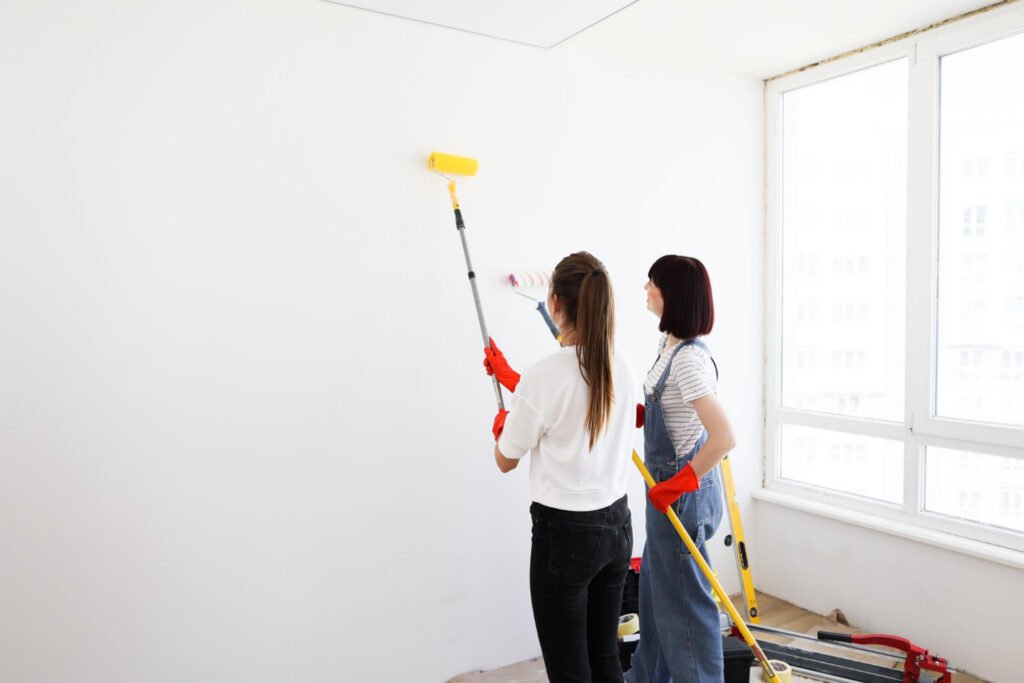
Your home’s interior surfaces face daily wear from foot traffic, humidity, and general use, and interior painting service is one of the most effective ways to restore and protect them. Whether you want to update one room or your entire house, knowing what these services include helps you make smart choices.
Many homeowners wonder if they should paint themselves or hire professionals. The answer depends on your budget, time, and the quality you want. Professional painters bring the right tools, skills, and materials to get the job done right the first time.
In this article, you’ll learn about the benefits of hiring experts and how to keep your freshly painted rooms looking great.
- Why interior painting services matter for your home
- Types of interior painting services offered
- How to prepare your home for painting
- Benefits of hiring professional painters
- How to maintain freshly painted interiors
Keep reading to understand every stage of a professional interior painting project so you can protect your investment and get results that last.
Why interior painting services matter for your home
Professional interior painting services do more than apply color to walls. They protect your investment, create the atmosphere you want, and maintain your home’s structural integrity.
How fresh paint improves home value
A professional paint job can increase your home’s resale value by 2-5%. Buyers notice clean, freshly painted walls immediately when they walk through your door. These updated surfaces suggest the home has been well-maintained.
Real estate experts consistently rank interior painting among the top cost-effective improvements before selling. The return on investment often exceeds the initial cost of hiring house painting services. Fresh paint makes rooms appear larger, cleaner, and move-in ready.
You don’t need to sell soon to benefit from this value boost. Your home equity grows with each improvement you make. Professional painters ensure even coverage and proper surface preparation that lasts years longer than amateur work.
Impact on interior design and ambiance
Color choices directly affect how you feel in each room. Warm tones like beige and soft yellow create welcoming spaces in living rooms and kitchens. Cool blues and greens promote relaxation in bedrooms and bathrooms.
Professional painters help you select colors that work with your existing furniture and lighting. They understand how natural light changes color appearance throughout the day. The right paint finish also matters — matte hides wall imperfections while semi-gloss reflects light and resists moisture.
Your home’s atmosphere depends on consistent, quality application. Streaks, roller marks, and uneven edges break the visual flow between rooms. House painting services deliver smooth, uniform results that enhance your design vision rather than distract from it.
Long-term wall protection benefits
Paint creates a barrier between your walls and daily wear. It shields drywall from moisture, grease, and minor impacts that cause damage over time. According to the U.S. Environmental Protection Agency, keeping indoor relative humidity between 30 and 50 percent is the most reliable way to prevent mold growth on painted surfaces.
Professional application extends this protection significantly. Proper surface preparation removes old, flaking paint and fills cracks before they spread. Painters seal gaps around windows and trim that let moisture seep into walls.
Your walls face constant exposure to cooking vapors, temperature changes, and accidental bumps. A durable paint job protects these surfaces for 5-10 years depending on the room’s use. This protection saves you money on drywall repairs and reduces the need for frequent repainting.
Types of interior painting services offered
Professional interior painting companies provide several specialized services to meet different needs in your home. These services range from basic wall coverage to detailed trim work and custom decorative finishes.
Wall and ceiling painting
Wall painting service forms the foundation of most interior painting projects. Professional painters prepare surfaces by filling cracks, sanding rough spots, and applying primer when needed. They use rollers and brushes to apply paint evenly across large surfaces.
Ceiling painting requires different techniques than wall work. Painters must work overhead while preventing drips and ensuring even coverage. They protect your floors and furniture with drop cloths and plastic sheeting.
Most professional interior painting services offer interior color consulting to help you choose the right shades. They can apply one or multiple coats depending on the color change and surface condition. Some painters specialize in textured finishes or work with specific paint types like low-VOC or washable formulas.
According to the U.S. EPA, VOC concentrations indoors can run 2 to 5 times higher than outdoor levels, and paint is a primary contributor — making low-VOC paint selection an important health consideration for any interior project.
Trim, doors, and detail painting
Trim painting includes baseboards, crown molding, window frames, and door frames. This work demands precision since trim often contrasts with wall colors. Painters use smaller brushes and steady hands to create clean lines where trim meets walls.
Door painting covers both interior doors and closet doors. Professional painters remove hardware when possible and paint all sides of the door for complete coverage. They sand doors smooth before painting to remove old drips or imperfections.
Detail work includes painting built-in shelves, mantels, and architectural features. Some painters use painter’s tape for crisp edges, while experienced professionals can cut in freehand. This trim and molding painting service takes more time than wall painting but creates a polished final look.
Accent wall and custom finishes
Accent wall painting adds visual interest by highlighting one wall in a different color or finish. You might choose a bold color, metallic paint, or decorative technique for your accent wall. Professional painters help you select which wall to accent based on room layout and lighting.
Decorative interior painting includes techniques like color washing, sponging, striping, or stenciling. Some painters create faux finishes that mimic wood, marble, or other materials. These specialized techniques require extra skill and artistic ability.
Textured finishes add dimension to walls through techniques like rag rolling or stippling. Custom work costs more than standard painting but creates unique results you cannot achieve with basic paint application.
How to prepare your home for painting
Getting your home ready before painters arrive makes the job go faster and helps you get better results. You need to protect your belongings, fix surface issues, and pick the right colors.
Furniture protection and room prep
Move small furniture pieces out of the room completely. For larger items like couches or beds that are too heavy to relocate, push them to the center of the room and cover them with plastic sheeting or drop cloths.
Remove wall decorations, outlet covers, light switch plates, and curtain rods. Take down any pictures, mirrors, or shelving that could get in the way. Store these items in labeled boxes so you can find them easily later.
Cover your floors with canvas drop cloths or plastic sheeting. Canvas works better than plastic because it absorbs paint drips instead of letting them spread. Tape down the edges of your floor covering to keep it from shifting while painters work.
Protect these items:
- Furniture and belongings
- Light fixtures and ceiling fans
- Flooring and baseboards
- Door hardware and hinges
- Thermostats and vents
Wall cleaning and surface repairs
Wash your walls with a damp cloth and mild soap to remove dust, grease, and dirt. Paint sticks better to clean surfaces. Let the walls dry completely before painters arrive, which usually takes 2-3 hours.
Fill nail holes, cracks, and dents with spackling compound or joint compound. Use a putty knife to apply the filler and smooth it level with the wall. Sand these spots once they dry so the surface feels even.
Check for peeling or bubbling paint and scrape it away with a putty knife. Look for water damage, mold, or structural issues that need fixing before painting starts. Address these problems now to avoid paint failure later.
Following best practices for prep and repair on interior walls also means sanding glossy surfaces lightly to help new paint stick. Wipe down walls again after sanding to remove dust particles.
Choosing the right paint colors
Test paint colors on your walls before committing to a full room. Buy sample sizes and paint 2-foot square sections in different areas of the room. Look at these samples in morning light, afternoon light, and evening light since colors shift throughout the day.
Consider how the room’s lighting affects color. North-facing rooms get cooler, bluer light while south-facing rooms receive warmer, yellower light. Artificial lighting also changes how paint looks on your walls.
Match your paint finish to the room’s purpose. Use flat or matte finishes in low-traffic areas like bedrooms and ceilings. Pick eggshell or satin for living rooms and hallways where you need some durability. Choose semi-gloss or gloss for kitchens, bathrooms, and baseboard painting where moisture and cleaning matter.
Bring fabric samples, furniture photos, or flooring pieces when selecting colors. Your paint should work with existing elements in your home.
Benefits of hiring professional painters
When you hire professional painters for your interior project, you gain access to skilled workmanship, save valuable time, and get results that last. Interior home painters bring experience and resources that most homeowners don’t have on their own.
High-quality and even paint application
Professional painters have spent years learning proper painting techniques. They know how to prepare surfaces correctly and apply paint evenly across walls and ceilings. This training means you won’t see brush marks, drips, or uneven coverage in your finished rooms.
Professional house painters understand how different paint types work on various surfaces. They can handle tricky areas like corners, trim, and textured walls without making mistakes. Their steady hand and practiced eye catch imperfections before they become permanent problems.
The difference between amateur and professional work shows up quickly. Professionals apply multiple thin coats instead of one thick coat. This method prevents peeling and creates a smooth finish that looks better and lasts longer.
Time-saving and efficient process
A professional painting crew can finish your interior project much faster than you could on your own. What might take you several weekends takes them just a few days. They work full-time and have efficient systems in place.
Interior home painters handle all the preparation work for you. They move furniture, tape edges, patch holes, and sand surfaces. When the job is done, they clean up completely and put your furniture back in place.
You don’t need to spend time researching techniques or watching tutorial videos. Professional painters already know the best methods and can start working immediately. This efficiency means less disruption to your daily life and routine.
Access to expert tools and materials
Professional painters own specialized equipment that delivers better results than basic brushes and rollers. They use commercial-grade sprayers, extension poles, and precision cutting tools. These tools cost hundreds or thousands of dollars that you don’t need to spend.
Residential painting contractors also have relationships with paint suppliers. They can get higher-quality paints at better prices than retail stores offer. Many professionals use premium paints that cover better and resist fading, staining, and wear.
Their tool collection includes ladders of various heights, drop cloths, and safety equipment. You won’t need to rent or buy equipment that you’ll only use once. They bring everything needed to complete your project safely and properly.
How to maintain freshly painted interiors
Fresh paint needs regular care to stay vibrant and protect your walls for years. Simple cleaning habits and attention to moisture problems will keep your paint looking new.
Proper cleaning techniques for painted walls
Wait at least two weeks before cleaning newly painted walls. The paint needs time to cure and harden completely.
Use a soft sponge or microfiber cloth with warm water for regular cleaning. Add a small amount of mild dish soap if you need extra cleaning power. Avoid harsh chemicals or abrasive scrubbers that can damage the paint surface.
For different types of marks:
- Dust and light dirt: wipe gently with a dry microfiber cloth
- Fingerprints: use a damp cloth with plain water
- Scuff marks: apply gentle pressure with a slightly soapy sponge
- Stubborn stains: make a paste of baking soda and water
Always test your cleaning method on a small, hidden area first. Start at the bottom of the wall and work your way up to prevent streaking. Pat the area dry with a clean towel after cleaning.
Clean walls every few months to prevent dirt buildup. High-traffic areas like hallways and kitchens may need more frequent attention.
Avoiding moisture and wall damage
Moisture is one of the biggest threats to your painted walls. It causes paint to peel, bubble, and develop mold growth.
Use exhaust fans in bathrooms and kitchens during and after showers or cooking. Open windows when weather permits to improve air circulation. According to the Centers for Disease Control and Prevention, keeping home humidity no higher than 50 percent all day — using an air conditioner or dehumidifier as needed — is the most effective step homeowners can take to prevent mold from taking hold on walls.
Fix water leaks immediately when you notice them. Check around windows, pipes, and roofs regularly for signs of water damage. Address the source of moisture before it damages your paint job.
Avoid placing furniture directly against walls in damp areas. Leave a small gap to allow air flow. Don’t hang wet towels or clothes against painted walls.
Watch for warning signs like discoloration, soft spots, or musty odors that indicate moisture problems. For rooms showing early signs of fading or deterioration, scheduling seasonal wall repainting is a reliable way to stay ahead of larger damage.
Touch-up and long-term care tips
Keep leftover paint from your project for future touch-ups. Store it in a sealed container in a temperature-controlled area away from freezing temperatures.
Address small chips and scratches quickly before they get worse. Clean the damaged area and let it dry completely. Apply touch-up paint with a small brush, feathering the edges to blend with the surrounding area.
Your touch-up kit should include:
- Original paint (properly stored)
- Small artist brushes
- Fine-grit sandpaper
- Clean cloths
- Primer for larger repairs
Protect your walls from damage by using furniture pads and wall guards in high-traffic areas. Install door stops to prevent doorknobs from hitting walls.
Most interior paint jobs last 5-10 years with proper care. Plan for repainting when you notice fading, extensive marks, or when the finish becomes dull despite cleaning. If walls are showing significant wear, a soft interior wall makeover can restore a room without a full repaint.
Conclusion
Getting your home painted by professionals brings real benefits. You save time and avoid the physical work that comes with painting your walls yourself. Professional painters know how to prepare surfaces properly and apply paint evenly, which means your results last longer.
Professional painters handle everything from moving furniture to cleaning up afterward. They bring the right tools and know which techniques work best for different surfaces. This expertise helps you avoid common mistakes like uneven coverage or paint drips.
Your home deserves a finish that looks good and lasts. Modern interior painting solutions give you quality without the hassle of doing it yourself. Take time to get quotes from different companies and check their previous work. This helps you find painters who match your needs and budget.
Contact Greenhaus today to schedule your interior painting consultation and get a finish that protects your home for years to come.