
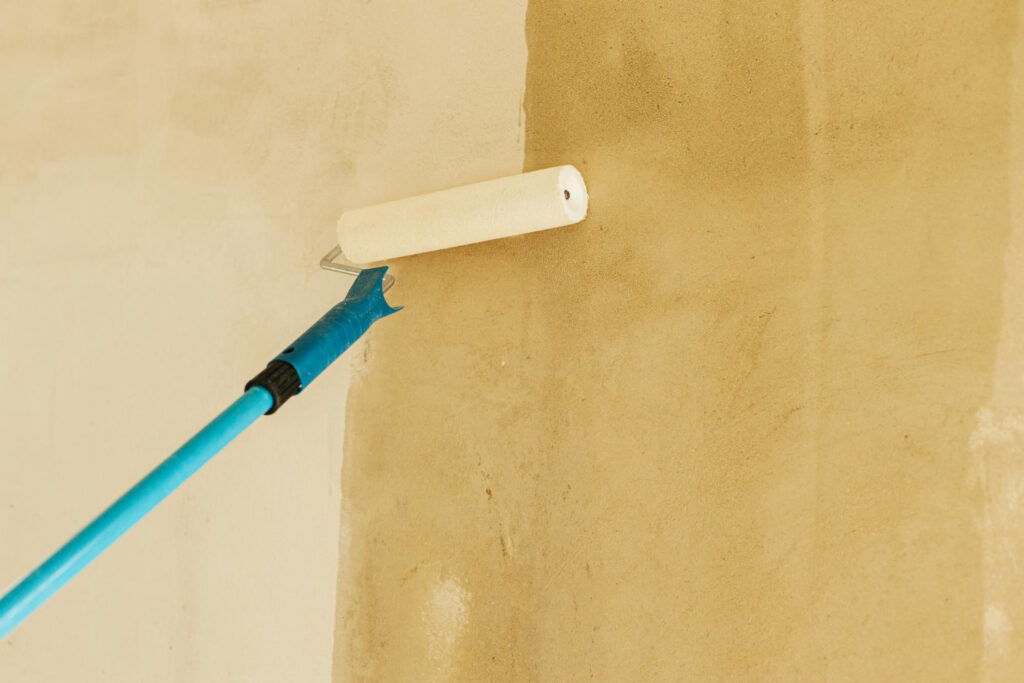
Faded paint on your interior walls can make even the cleanest room look worn and tired. When you need to repaint fading interior walls, sunlight, time, and daily wear are usually the culprits, gradually draining color and leaving behind dull, uneven surfaces.
In this article, you’ll find a complete guide to restoring faded interior walls. You’ll learn why fading happens, how professionals approach the restoration process, how to choose colors that last, and when to call in experts instead of handling the work yourself.
Here’s what you’ll find below.
- Why interior wall paint fades over time
- How professionals restore fading interior wall paint
- Choosing new paint colors when repainting faded walls
- Benefits of hiring professional interior repainting contractors
- When homeowners should repaint fading interior walls
Keep reading to learn how the right preparation, products, and professional technique can bring your walls back to life and protect them from fading again.
Perfeito, vou usar Greenhaus Painting para todos até você avisar.
Why interior wall paint fades over time
Paint fading happens because of sunlight breaking down pigments, moisture damaging the paint surface, and regular wear from cleaning and contact. Understanding these factors helps you protect your walls and know when fresh paint is needed.
How sunlight exposure causes color loss
UV rays break down the chemical bonds in paint pigments through a process called photodegradation. When sunlight hits your walls, it weakens these bonds and causes colors to lose their brightness.
Dark and vibrant colors fade faster than light colors. Your deep blues, rich reds, and bold greens are more vulnerable because they absorb more UV light.
South-facing walls receive the most direct sunlight throughout the day. These walls typically show fading first, especially in rooms with large windows or sliding glass doors.
The damage isn’t always uniform. You might notice lighter patches where sunlight hits most directly, creating an uneven appearance across your wall surface.
Heat from sunlight also plays a role. It can cause paint to yellow or discolor, particularly in areas that get afternoon sun exposure.
Effects of moisture and indoor humidity
High humidity levels cause paint to expand and contract repeatedly. This movement weakens the paint’s bond to the wall and makes colors appear dull or washed out.
Bathrooms and kitchens face the biggest moisture challenges. Steam from showers and cooking creates a humid environment that accelerates paint deterioration.
Water vapor can penetrate the paint film and reach the wall surface underneath. This creates conditions for mildew growth, which appears as dark spots or stains on your walls.
Poor ventilation makes moisture problems worse. Without proper air circulation, humidity stays trapped in your rooms and continuously affects the paint.
Low-quality paints are especially vulnerable to moisture damage. They lack the protective ingredients that help better paints resist humidity and maintain their color.
Wear and cleaning damage on painted walls
Regular contact with your walls gradually removes paint pigments. High-traffic areas like hallways, stairwells, and rooms where furniture touches walls show this wear first.
Harsh cleaning products strip away the paint’s protective surface. Cleaners with ammonia, bleach, or strong solvents can break down paint binders and cause discoloration.
Scrubbing too hard creates a polished or shiny appearance in flat and matte finishes. These spots reflect light differently and make your walls look uneven.
Common sources of physical wear:
- Furniture rubbing against walls
- Handprints and fingerprints
- Pet contact
- Moving objects past walls
- Children’s activities
Even gentle wiping adds up over time. Each cleaning session removes microscopic amounts of paint until the difference becomes visible.
According to the U.S. Department of Energy, UV radiation accounts for a significant portion of interior paint degradation, particularly in south- and west-facing rooms with unfiltered natural light. Selecting paints with UV-resistant additives reduces this damage over time.
How professionals restore fading interior wall paint
Professional painters follow a structured process to fix faded interior paint and achieve lasting results. Each step builds on the previous one to ensure proper wall color restoration painting.
Surface cleaning and dust removal
Professionals start every wall color restoration painting project with thorough surface preparation. They use specialized cleaning solutions to remove dirt, grease, and grime that accumulates on walls over time. This step ensures paint adheres properly to the surface.
Your walls collect more contaminants than you might realize. Professionals use trisodium phosphate (TSP) or similar cleaners for deep cleaning. They work from bottom to top to prevent streaking, then rinse with clean water.
Dust removal requires attention to detail. Professionals use microfiber cloths or tack cloths to capture fine particles that regular cleaning misses. They pay special attention to corners, baseboards, and ceiling edges where dust settles.
The drying period matters. Professionals allow walls to dry completely before moving forward, typically waiting 24 hours. Any remaining moisture can prevent primer and paint from bonding correctly.
Repairing small cracks and surface damage
Wall damage undermines even the best paint job. Professionals inspect every surface carefully to identify cracks, holes, and imperfections that need attention. They use spackling compound for small holes and joint compound for larger repairs.
The application technique affects the final result. Professionals apply filler in thin layers, allowing each coat to dry before adding more. They overfill slightly to account for shrinkage during drying.
Sanding creates a smooth surface. Professionals use fine-grit sandpaper (120 to 150-grit) to level repairs flush with the surrounding wall. They check their work by running their hand across the surface to detect any remaining bumps or valleys.
Applying primer for color restoration
Primer forms the foundation for successful wall color restoration painting. Professionals select primers based on your specific situation. Stain-blocking primers work for water damage or discoloration. High-adhesion primers suit glossy surfaces.
Common primer types professionals use:
- Latex primers: best for standard drywall repairs
- Oil-based primers: ideal for stain blocking and wood surfaces
- Shellac primers: superior coverage for severe staining
Coverage matters more than speed. Professionals apply primer evenly using rollers for large areas and brushes for edges and corners. They maintain a wet edge to avoid lap marks.
The drying time depends on humidity and temperature. Professionals typically wait 2 to 4 hours before applying paint, though they may extend this in humid conditions.
Even paint application for consistent color
Professional painters achieve uniform color through systematic application. They use quality tools including rollers with appropriate nap thickness for your wall texture. Smooth walls need 3/8-inch nap, while textured surfaces require 1/2-inch or thicker.
The application pattern prevents visible strokes. Professionals use a “W” pattern, rolling paint onto the wall in overlapping W shapes, then filling in gaps without lifting the roller. This technique distributes paint evenly.
Multiple thin coats beat one thick coat. Professionals apply two coats minimum, allowing proper drying time between each. They inspect the first coat under different lighting conditions to identify missed spots.
Your walls need proper drying between coats. Professionals wait at least 4 hours for latex paint in normal conditions. They may adjust timing based on temperature, humidity, and ventilation.
Choosing new paint colors when repainting faded walls
Selecting the right paint color involves more than picking a shade you like. You need to think about your existing decor, the room’s lighting, and whether you want to match what’s already there or try something new.
Matching original interior color schemes
If you want to keep your current look, you’ll need to find the exact color match for your faded walls. Take a paint chip from an inconspicuous area and bring it to a paint store where they can scan it with color-matching technology. This works better than trying to match faded paint by eye.
The original paint code might be written on the can in your garage or storage area. Check old receipts or contact the previous homeowner if possible. Keep in mind that even perfect matches can look different because your old paint has aged and collected dirt over the years.
Clean a small section of your wall thoroughly before comparing new paint samples. The difference between dirty, faded paint and the actual color underneath can be significant. Test your matched paint in a hidden spot first to verify it works with your current walls.
Popular neutral tones for modern homes
Neutral colors give you flexibility and make rooms feel larger and brighter. Warm whites and soft grays are the most common choices for interior walls right now. These shades work with most furniture styles and make it easier to change your decor later.
Common neutral paint colors include:
- Greige (gray-beige blends)
- Warm white
- Cool gray
- Soft beige
- Off-white with cream undertones
Warm neutrals create cozy spaces while cool neutrals feel more modern and crisp. Greige has become popular because it combines the warmth of beige with the contemporary feel of gray. These colors also hide minor imperfections better than stark white paint.
Accent wall options for updated style
An accent wall lets you add color without overwhelming a room. Paint one wall in a bold shade while keeping the other three neutral. This approach costs less than painting the entire room and gives you a chance to try trendy colors.
Popular accent wall colors include deep navy, forest green, terracotta, and charcoal gray. Choose the wall that draws attention naturally, like the one behind your bed or sofa. Avoid painting walls with windows as accent walls since the natural light can make bold colors look uneven.
You can also use accent walls to define spaces in open floor plans. A different color helps separate your dining area from your living room without adding physical barriers.
Considering lighting conditions
Natural light changes how paint colors look throughout the day. North-facing rooms get cooler, indirect light that can make colors appear darker and more muted. South-facing rooms receive warm, bright light that intensifies paint colors.
Test paint samples on your actual walls and observe them at different times. Morning light, afternoon sun, and evening artificial light will all affect how the color appears. Paint large sample squares rather than small ones to get an accurate view.
Rooms with limited natural light need lighter paint colors to avoid feeling cave-like. Artificial lighting also matters since warm bulbs make colors look yellow while cool LED lights can make them appear blue-tinted. Buy sample pots and live with the colors for at least three days before making your final decision.
Benefits of hiring professional interior repainting contractors
Professional residential wall repaint contractors bring specialized skills and resources that transform faded walls more effectively than DIY methods. They deliver superior results while saving you time and protecting your home from painting-related damage.
Smooth and uniform wall finish
Professional painters prepare surfaces properly before applying any paint. They fill cracks, sand rough spots, and prime walls to create an even base. This preparation prevents bumps, streaks, and uneven color that often appear in amateur paint jobs.
A skilled interior wall repainting service uses professional-grade tools like high-quality rollers and sprayers. These tools distribute paint evenly across your walls without leaving roller marks or brush strokes. They know the right amount of pressure to apply and the correct technique for each surface type.
Experts also understand how to cut clean lines where walls meet ceilings and trim. They use proper taping methods and steady hands to create sharp edges without paint bleeding. The result is a polished look that makes your rooms appear professionally finished rather than home-painted.
Longer paint lifespan and durability
Professional contractors select paints specifically designed for interior walls that resist fading and wear. They understand which finishes work best for different rooms based on light exposure and traffic levels. High-traffic areas get more durable paints while low-traffic spaces can use less robust options.
These experts apply multiple thin coats rather than one thick layer. Thin coats dry more evenly and bond better to wall surfaces, which prevents peeling and cracking over time. They also allow proper drying time between coats, which strengthens the paint’s adhesion.
An interior repainting service protects your walls from moisture damage by identifying problem areas before painting. They address underlying issues like water stains or mold that would compromise new paint. This attention to detail extends your paint job’s life by several years compared to covering up problems.
Reduced mess and faster completion
Professional painters bring drop cloths, plastic sheeting, and protective tape to shield your floors and furniture. They know how to contain paint splatter and drips, which keeps your home clean throughout the project. You won’t spend days cleaning up paint from unexpected places.
A residential wall repaint contractor completes work faster than most homeowners can manage. What might take you several weekends takes them just a few days. They work efficiently because they paint regularly and have refined their process.
Your daily routine experiences minimal disruption when professionals handle the work. They arrive on schedule, work during agreed-upon hours, and clean up thoroughly each day. You can continue living in your home without extended periods of chaos or unusable rooms.
Expert guidance on paint selection
Professional painters help you choose colors that complement your home’s lighting and existing decor. They bring physical paint samples and can show you how different shades look in various lighting conditions. This prevents costly mistakes from picking colors that look different on your walls than they did on small chips.
They also recommend specific paint brands and formulations based on your needs. Some paints resist stains better while others provide superior coverage for dark or bold colors. Contractors know which products deliver the best value and performance for fading wall situations.
An interior wall repainting service can calculate exact paint quantities needed for your project. This eliminates waste from overbuying or delays from running short. They factor in your wall texture, current color, and desired finish to determine the right amount of paint and primer.
When homeowners should repaint fading interior walls
Fading paint signals that your walls need attention, but timing matters for the best results. You should consider repainting when color loss becomes visible, when planning home updates, or when you want to boost your property’s appeal.
When walls look dull or discolored
You need to repaint when your walls lose their original color intensity. Sunlight exposure causes paint to fade over time, especially in rooms with large windows or south-facing walls. The fading often appears uneven, with some areas looking washed out while others retain more color.
Discoloration shows up as yellowing, brown spots, or gray patches on your walls. These marks indicate that the paint has aged beyond its protective lifespan. High-traffic areas like hallways and living rooms typically show color loss faster than bedrooms or closets.
You should check for dullness by comparing sections of wall that receive different amounts of light. If you notice a clear difference between protected and exposed areas, your walls need fresh paint. Waiting too long to address fading can make the contrast more obvious and harder to match later.
Before home renovation projects
You should repaint fading walls before starting any major home updates. Fresh paint creates a clean canvas for new flooring, updated fixtures, or remodeled spaces. This approach prevents damage to new materials from paint drips or roller splatter.
Repainting first also helps you coordinate colors with new design elements. You can choose paint shades that complement your planned updates rather than working around faded, outdated colors. This sequence saves time because you won’t need to protect new installations during painting.
Consider repainting if you plan to install new baseboards, crown molding, or built-in shelving. Paint adheres better to bare walls than to dusty or damaged surfaces created during construction work.
After furniture or decor changes
You need to repaint when moving furniture reveals stark color differences on your walls. Shadowing behind relocated pieces shows how much your exposed walls have faded. These outlines create an unfinished look that draws attention away from your new arrangement.
Fresh paint unifies your space after you update curtains, rugs, or artwork. Your faded walls might clash with new decor colors, making rooms feel disconnected. Repainting lets you adjust your wall colors to match your current style preferences.
You should also repaint if you remove wallpaper or wall-mounted items. The protected areas underneath often show the paint’s original color, making the fading elsewhere more noticeable.
To increase home comfort and value
Repainting faded walls improves your daily living experience. Fresh, vibrant colors make rooms feel cleaner and more inviting. You’ll notice better mood and energy levels in spaces with well-maintained paint.
Your home’s value increases when interior walls look current and well-cared-for. Potential buyers view fresh paint as a sign of good maintenance. Properties with updated interiors typically sell faster and command higher prices than homes with visible wear.
According to the U.S. Department of Housing and Urban Development, well-maintained interior surfaces, including freshly painted walls, directly contribute to a home’s habitability standards and perceived market value. Repainting before listing is one of the most cost-effective updates a homeowner can make.
You should repaint before listing your home for sale or hosting important events. The investment in new paint provides returns through improved aesthetics and perceived value. Even if you’re not selling, maintaining your walls protects your largest financial asset.
Conclusion
Your interior walls do more than define the boundaries of a room. They set the tone for how your entire home feels, and faded, worn paint works against that in ways that are hard to ignore. This guide has covered why fading happens, how professionals reverse it, and when the right time is to schedule a repaint.
The restoration process, from TSP cleaning and crack repair to primer selection and multi-coat application, requires precision at every step. Skipping preparation or using the wrong products leads to results that fail within months rather than years.
According to the Environmental Protection Agency, selecting low-VOC interior paints reduces harmful airborne compounds after application, which matters especially in bedrooms and rooms with limited ventilation. Professional painters familiar with current product formulations can guide you toward options that are both durable and safe for your household.
Whether you’re restoring a single room or refreshing your entire home, the quality of the work depends on the quality of the preparation and the materials. Professional contractors bring both.
When you’re ready to take the next step, Greenhaus Painting is here to help you get the job done right.

