
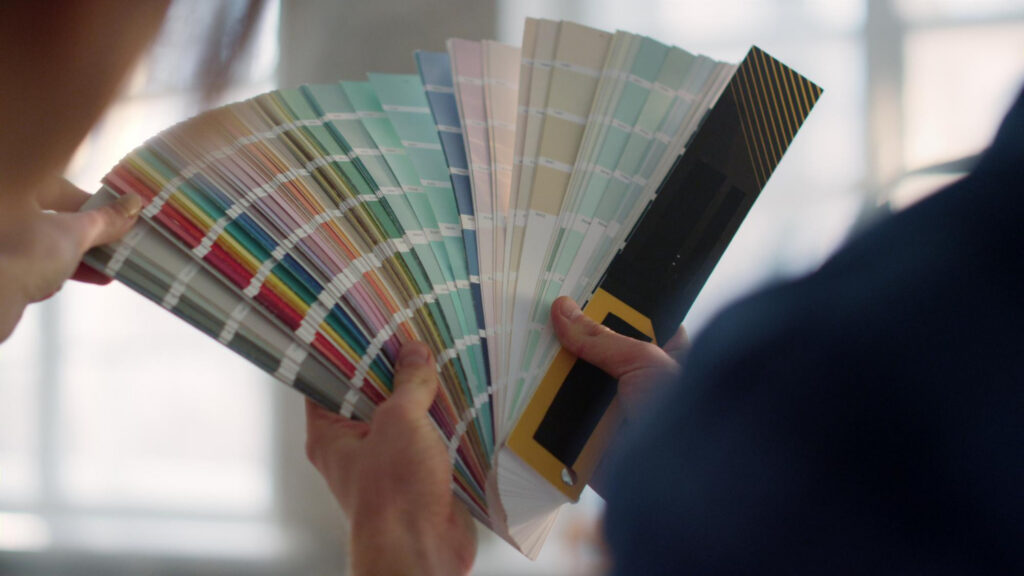
Picking paint colors for your home can feel overwhelming when you look at thousands of options at the paint store. You might worry about choosing a shade that looks great on the chip but wrong on your walls. An interior paint color consultation connects you with trained professionals who help you select colors that match your style and work well in your space.
A paint color consultant is a professional who helps you choose the right colors for your home by understanding your needs and providing expert recommendations. These consultants use their knowledge of color theory, lighting, and design to create a plan that fits your goals. They can work with you in person or online to develop custom color palettes for any room.
In this article, you’ll learn what happens during a consultation and why working with an expert can save you time and money.
- What interior paint color consultation includes
- Benefits of professional color consultation
- How experts choose the right paint colors
- Popular interior color trends for modern homes
- Tips for preparing for a color consultation
Keep reading to understand how a professional color consultation works from start to finish so you can walk away with a palette you’ll love for years.
What interior paint color consultation includes
A paint color selection service covers several key areas to help you choose the right colors for your home. Consultants evaluate your specific space, analyze how light affects different rooms, and match colors to your personal style preferences.
Personalized home color assessment
Your consultant starts by walking through your home to understand your specific needs and goals. They look at your existing furniture, flooring, and any fixed elements like countertops or cabinets that will stay in place. This assessment helps them create a cohesive color palette that works with what you already own.
The consultant asks questions about which rooms you want to paint and how you use each space. They need to know if you’re painting just walls or if you want recommendations for ceilings, trim, doors, and other surfaces. Some interior color design consultation services also provide guidance for exterior paint, but most focus specifically on indoor spaces.
During this phase, you’ll discuss any problem areas or concerns you have. Maybe a room feels too dark or too small. Your consultant takes notes on these issues to address them with the right color choices.
Lighting and space analysis
Light dramatically changes how paint colors look throughout the day. Your consultant examines both natural light from windows and artificial lighting in each room. North-facing rooms get cooler, indirect light while south-facing rooms receive warm, direct sunlight.
They consider the size and layout of each space when recommending colors. Lighter colors typically make small rooms feel more open and spacious. Darker shades can make large rooms feel more intimate and cozy.
According to research published in the National Institutes of Health, spaces evaluated under white lighting are perceived as more useful, spacious, and luminous than those under other light colors, which is why consultants pay close attention to your existing bulb types when recommending wall colors.
Your consultant also looks at the direction your rooms face and the type of light bulbs you use. LED lights create different effects than incandescent bulbs. They’ll recommend colors that look good under your specific lighting conditions at different times of day.
Style and design preference matching
The consultant works to understand your aesthetic preferences and lifestyle needs. They might show you color samples or photos to determine which styles appeal to you most. Some people prefer neutral palettes while others want bold accent wall painting.
They consider current design trends but focus primarily on what you’ll enjoy for years to come. Your consultant helps translate vague ideas like “warm and inviting” or “fresh and modern” into specific paint colors. They can create custom color schemes that reflect your personality and how you want your home to feel.
Benefits of professional color consultation
Working with a color expert helps you make informed decisions about your paint choices while saving time and money. Professional guidance ensures your colors work well together and enhance your home’s overall design.
Avoiding costly color mistakes
Paint colors look different once they’re on your walls compared to how they appear on small samples. A color consultant understands how lighting conditions change throughout the day and how this affects your paint color. They can identify undertones that you might miss, preventing situations where your gray paint turns purple or your white looks pink.
Repainting because you chose the wrong color wastes both money and time. The cost of paint, supplies, and labor adds up quickly when you need to redo a room. Wall color consulting services help you get it right the first time by testing colors in your actual space and evaluating them under different lighting conditions.
Color consultants bring training in color theory and years of experience working with different paint types and brands. They know which colors work in north-facing rooms versus south-facing rooms. They can also tell you how your furniture, flooring, and existing elements will interact with potential paint colors before you commit. For walls that already show fading or discoloration, addressing those issues through repainting fading interior walls before the consultation ensures you’re selecting colors on a clean, true surface.
Achieving cohesive interior design
A professional creates a color plan that flows smoothly from room to room. They consider your entire home rather than treating each space as a separate project. This approach makes your home feel intentional and well-designed.
Color consultants evaluate your existing furniture, artwork, and decorative items when making recommendations. They suggest colors that complement what you already own rather than clash with it. This saves you from having to replace furniture or decor to match new paint colors.
Your personal style and goals matter in the consultation process. A color expert listens to your preferences and translates them into a workable color scheme. They can help you achieve the mood you want, whether that’s calm and relaxing or bold and energetic. Rooms like home offices benefit especially from this kind of targeted approach, and home office wall painting in Greenwich, CT is one example of how the right color selection shapes how productive and comfortable a workspace feels.
Improving home value and appeal
The right paint colors make your home more attractive to potential buyers if you plan to sell. Neutral, well-chosen colors appeal to a wider audience and help buyers envision themselves in the space. Fresh, professionally selected paint colors signal that your home is well-maintained.
Current buyers pay attention to interior finishes and updated paint ranks high on their priority list. A cohesive color scheme throughout your home creates a positive impression during showings. It makes spaces feel larger, brighter, and more inviting.
Even if you’re not selling, professional color choices improve your daily living experience. Well-selected colors enhance natural light, make rooms feel more spacious, and create the atmosphere you want in each area of your home. When paired with modern interior painting solutions, a professional color consultation sets your home up for a result that holds up both aesthetically and structurally.
How experts choose the right paint colors
Paint color experts use specific methods to select colors that work well in your space. They look at your lighting conditions, existing furniture, and the mood you want to create in each room.
Understanding natural and artificial lighting
Light changes how paint colors look on your walls throughout the day. A color that looks perfect in the morning sun might appear completely different under evening lamps.
North-facing rooms get cooler, indirect light that can make colors look darker and more muted. South-facing rooms receive warm, bright light all day, which makes colors appear lighter and more vibrant. East-facing rooms get strong morning light, while west-facing rooms have intense afternoon and evening sun.
Professional color matching involves testing paint samples in your actual space at different times of day. Experts recommend painting large sample boards and moving them around the room to see how the color looks in various lighting conditions.
Your artificial lighting matters just as much as natural light. LED bulbs cast a different color than incandescent bulbs. Warm white bulbs bring out yellows and reds, while cool white bulbs enhance blues and greens.
Matching colors with furniture and decor
Your existing furniture and decor guide paint color decisions. Experts start by identifying the dominant colors in your space, including flooring, countertops, and large furniture pieces.
Professional color matching takes into account the undertones in your furniture. Wood furniture has warm undertones like red, orange, or yellow. Your paint colors should either complement these undertones or provide a balanced contrast.
You should pull colors from items you already own and love. If you have a favorite rug, artwork, or throw pillow, experts can use those colors as inspiration for your walls. This creates a cohesive look throughout your room.
Neutral furniture gives you more flexibility with wall colors. Bold furniture requires more careful color selection to avoid clashing or overwhelming the space. Details like trim and molding also factor into the final palette, since their finish and tone interact with wall colors in ways that affect the room’s overall feel.
Using color psychology in home design
Different colors affect your mood and energy levels in measurable ways. Color experts use this knowledge to help you choose colors based on how you want to feel in each room.
Blue creates calm and relaxation, making it ideal for bedrooms and bathrooms. Green reduces stress and works well in living spaces where you want to feel refreshed. Yellow stimulates energy and conversation, which makes it suitable for kitchens and dining rooms.
According to a study published in the National Institutes of Health, research with 443 residents living in buildings differentiated only by interior color found that blue interiors were the most preferred and were also considered to facilitate studying and focused activity, supporting the use of blue-family hues in rooms where calm concentration is the goal.
The intensity of a color matters as much as the hue itself. Soft, muted versions of any color create peaceful environments. Bright, saturated colors add energy and drama to a space.
Popular interior color trends for modern homes
Modern homes in 2026 embrace a balance between comfort and creativity through three distinct color approaches: warm neutrals and earth tones that ground spaces, strategic pops of bold color that add personality, and timeless palettes that endure beyond seasonal trends.
Neutral and earthy tones
Warm neutrals continue to dominate interior spaces because they create calm, versatile backgrounds that work with multiple design styles. Beiges, taupes, and greiges offer more depth than stark white while maintaining the light, open feeling you want in modern spaces.
Earthy tones bring nature indoors through colors like terracotta, clay, soft browns, and warm ochres. These shades add warmth without overwhelming your space. They pair well with natural materials like wood, stone, and linen to create cohesive, grounded interiors.
You can use these colors throughout your home or limit them to specific rooms. Living rooms and bedrooms benefit from the calming effect of warm neutrals. Kitchens and dining areas gain character from earthy accent walls or cabinetry. For living spaces specifically, living room painting in Greenwich, CT shows how these warm palettes translate into finished results.
Popular neutral and earth tone choices:
- Warm beige and greige
- Soft terracotta and clay
- Warm taupe
- Creamy off-whites with yellow or beige undertones
Bold accent color strategies
Bold colors make the biggest impact when used intentionally rather than across entire rooms. You can introduce vibrant hues through a single accent wall, painted trim, or interior doors to add personality without commitment.
Deep jewel tones like emerald green, navy blue, and rich burgundy work well in spaces where you want drama and sophistication. These colors suit dining rooms, home offices, and powder rooms. Brighter shades like mustard yellow, burnt orange, or deep coral energize kitchens, playrooms, and creative spaces.
The key to successful bold color use is pairing it with neutral backgrounds. This prevents visual overwhelm while letting your accent color shine. You can also introduce bold colors through painted furniture, built-ins, or architectural details instead of walls. A decorative interior painting service can take a bold color concept further with custom finishes that add texture and depth beyond a flat coat.
Timeless classic palettes
Classic color combinations never go out of style because they’re rooted in design principles that work across decades. Soft whites paired with black or charcoal create clean, sophisticated spaces with strong visual contrast.
Navy and white delivers a fresh, preppy look that suits both traditional and contemporary homes. Sage green with cream offers a subtle, nature-inspired palette that feels both current and enduring. Gray and white remains popular for its flexibility and modern appeal.
These palettes give you a foundation that won’t feel dated in five years. You can update the look through accessories, textiles, and furniture without repainting. This makes classic combinations practical for homeowners who want longevity from their color choices.
Tips for preparing for a color consultation
Getting ready before your color consultant arrives helps you make better decisions and saves time during the meeting. Taking a few simple steps like collecting ideas, thinking about how you use each room, and knowing your spending limits will make your consultation more productive.
Gathering inspiration and ideas
Start collecting home paint color ideas from magazines, websites, and social media platforms like Pinterest or Instagram. Save images of rooms that catch your eye, even if you’re not sure why you like them. Your consultant can identify patterns in your choices and understand your taste better.
Look at colors you already have in your home. Take note of furniture, curtains, rugs, and artwork that will stay in the room. Bring fabric samples or photos of these items to your consultation. Your consultant needs to see how existing pieces will work with new paint colors.
Create a simple folder or board with your collected ideas. Include photos of rooms you dislike too. Showing what you don’t want helps your consultant narrow down options faster. Write down specific colors from other homes or businesses that you’ve noticed and liked.
Identifying room purpose and mood
Think about how you use each room you plan to paint. A home office needs different qualities than a bedroom or kitchen. Rooms where you want to feel calm work better with certain colors, while spaces for energy and activity suit others.
Consider who uses each space most often. A child’s bedroom has different needs than a guest room. Rooms where you entertain guests might need colors that appeal to more people.
Write down three words that describe how you want to feel in each room. Words like peaceful, energetic, cozy, or bright give your consultant clear direction. Be specific about times of day you use the room most since natural light changes how colors look. For bedrooms in particular, the consultation stage is the right time to think about whether you want a soft interior wall makeover that uses layered, muted tones to create a restful atmosphere.
Discussing budget and finish options
Know your total budget before the consultation starts. Include costs for paint, primer, supplies, and labor if you’re hiring painters. Being upfront about money helps your consultant recommend products that fit your price range.
Different paint finishes cost different amounts and work better in certain rooms. Flat or matte finishes hide wall flaws but are harder to clean. Eggshell and satin finishes work well in living areas and bedrooms. Semi-gloss and gloss finishes cost more but hold up better in bathrooms and kitchens where moisture and cleaning matter.
Ask about paint quality differences during your consultation. Higher-quality paints cost more per gallon but often cover better and last longer. This can mean buying fewer gallons and repainting less often. If baseboard and trim painting is part of the project, discussing baseboard painting services in Fairfield County early ensures those surfaces are factored into both the budget and the color plan from the start.
Conclusion
A color consultation takes the stress out of choosing paint colors for your home. You get expert advice that matches your style and vision with the right shades for each room.
Working with a color consultant saves you time and money. You won’t need to buy multiple paint samples or repaint rooms because the colors didn’t turn out right. The expert knows how different lighting affects colors throughout the day.
Your consultant considers your personal preferences while offering professional insights. They understand current trends and timeless options that fit your goals. Whether you’re updating one room or painting your entire home, their expertise ensures better results.
The consultation process is straightforward. You discuss your needs, review options together, and receive clear recommendations. This service is available through interior designers, painting companies, and paint retailers.
Investing in a color consultation means you’ll love your painted spaces for years to come. The right colors enhance your home’s design and create the atmosphere you want. Contact Greenhaus today to schedule your interior paint color consultation and get a professional palette tailored to your home.

