
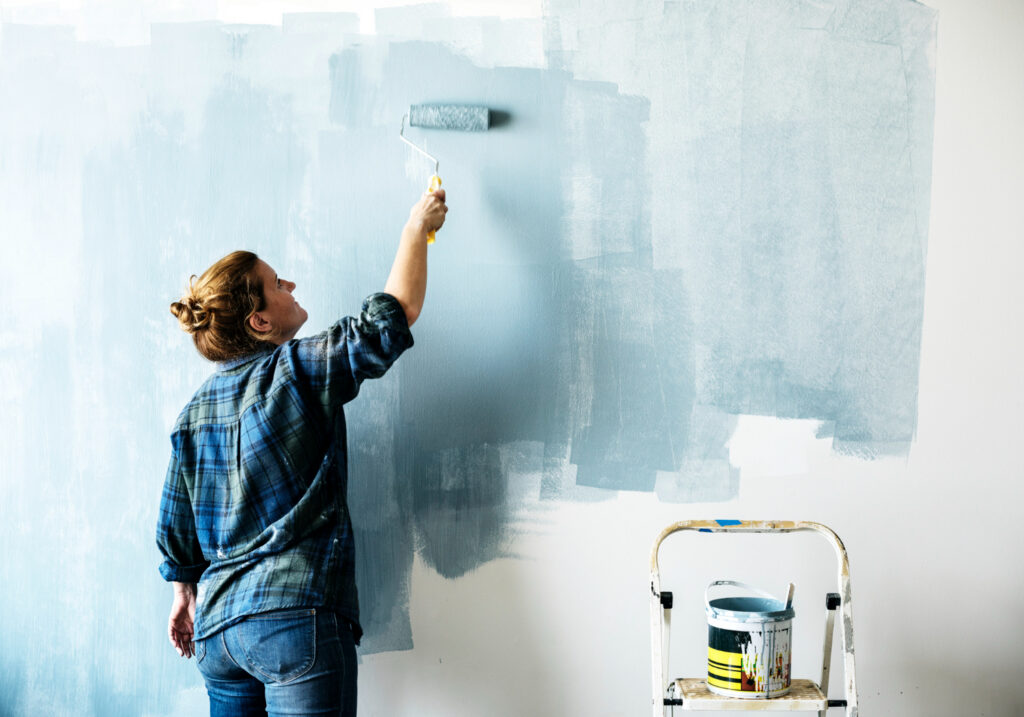
Your home’s walls face different challenges with each season. Hot summers can fade paint colors, while cold winters may cause cracks and peeling. Seasonal wall repainting services help protect your walls from weather damage and keep your property looking fresh year-round.
Different times of year call for different painting approaches. Interior painting works well during colder months when you spend more time indoors. Exterior projects are best saved for mild weather when paint can dry properly and last longer.
According to the University of Houston’s exterior painting specification, paint should only be applied when surface and air temperatures are roughly 50–95°F, when relative humidity is not above 85%, and not when conditions are too close to the dew point, because damp/wet surfaces and high humidity can interfere with proper curing and adhesion.
You need to know when to schedule painting work and how to find the right professionals for the job. Understanding the benefits of seasonal maintenance will help you make smart choices about your property.
In this article, you’ll learn how seasonal wall repainting services help you plan interior and exterior updates at the right time for stronger adhesion, cleaner finishes, and longer-lasting results.
Here’s what you’ll find below:
- Why seasonal wall repainting matters
- Interior wall repainting services
- Exterior wall repainting services
- Budget-friendly seasonal painting solutions
- Choosing the right painter for seasonal projects
This guide covers everything from why timing matters to finding budget-friendly options that fit your needs.
Why seasonal wall repainting matters
Regular wall repainting protects your home from damage while keeping it visually appealing year-round. Timing your paint projects with seasonal conditions ensures better application, longer-lasting results, and protection against specific weather challenges.
Benefits of regular interior and exterior repainting
Scheduled repainting every 3-5 years for exteriors and 5-7 years for interiors maintains your home’s protective barrier. Fresh paint seals gaps where moisture can enter, preventing rot and mold growth in your walls.
Your property value increases with well-maintained paint. Homes with updated paint sell faster and command higher prices than those with faded or peeling surfaces.
Paint also improves indoor air quality when you choose low-VOC options during seasonal updates. Modern paints resist stains better and clean more easily than older coatings.
Regular painting lets you catch small problems before they become expensive repairs. You’ll spot wood damage, cracks, or water intrusion during surface preparation.
Preventing wear and weather damage
Different seasons create specific threats to your walls. Summer heat causes paint to crack and fade through UV exposure. Winter moisture seeps into small cracks and expands when it freezes, creating larger splits.
Per the National Institutes of Health (NIH), freeze–thaw damage occurs when water penetrates porous materials and then freezes and expands, which helps explain why small exterior cracks and unsealed joints can worsen through winter and contribute to paint failure if moisture control and surface repairs are skipped.
Spring rain accelerates peeling on exterior surfaces with compromised paint. Fall temperature swings cause materials to expand and contract, weakening paint adhesion.
Seasonal damage patterns:
- Summer: UV fading, heat blistering, color deterioration
- Fall: Temperature stress, early moisture damage
- Winter: Freeze-thaw cycles, ice damage, indoor condensation
- Spring: Water infiltration, mold growth, pollen staining
Repainting during optimal weather conditions creates stronger bonds between paint and surface. Temperatures between 50-85°F with low humidity provide ideal curing conditions. Your paint will last longer when applied under proper conditions.
Enhancing home aesthetics throughout the year
Seasonal home painting lets you update colors to match current trends and your changing preferences. Light, fresh colors in spring and summer make spaces feel larger and brighter. Warm, deep tones in fall and winter create cozy atmospheres.
You can refresh high-traffic areas like kitchens, hallways, and children’s rooms more frequently than entire homes. These spaces show wear faster and benefit from targeted seasonal updates.
Exterior paint choices affect your home’s curb appeal and neighborhood standing. Coordinating your repainting schedule with landscaping changes creates a cohesive, polished appearance.
Interior seasonal repainting helps you prepare for holidays and gatherings. Fresh walls photograph better and provide clean backdrops for furniture updates or décor changes.
Interior wall repainting services
Professional interior wall repainting services cover everything from choosing new colors to preparing surfaces and applying fresh coats of paint. These services help maintain your home’s appearance while addressing wear, damage, and outdated colors.
Refreshing living rooms, bedrooms, and kitchens
Living rooms need repainting every 5 to 7 years due to daily use and natural light exposure. You’ll notice fading paint near windows and scuff marks around furniture. Professional painters help you select colors that match your lifestyle and lighting conditions.
Bedrooms typically require fresh paint less often since they experience lower traffic. You might repaint every 7 to 10 years unless you want to update the color scheme. Children’s rooms need more frequent attention because of fingerprints, marks, and changing preferences as kids grow.
Kitchens demand repainting every 3 to 5 years because of grease, moisture, and food splatter. The paint near stoves and sinks breaks down faster than other areas. You should use washable, moisture-resistant paint finishes in these spaces. Professional painters know which products work best for each room’s specific challenges.
Color updates and design consultations
Color consultations help you choose shades that complement your furniture, flooring, and natural light. Professional painters bring color samples to your home so you can see how different options look throughout the day. They explain which colors make rooms feel larger or more intimate.
Popular interior color trends include:
- Warm neutrals like beige and greige
- Soft blues and greens for calming spaces
- Bold accent walls in darker tones
- White and off-white for maximum brightness
Design experts can show you how to coordinate colors across rooms for better flow. They consider factors like ceiling height, room size, and architectural features. You’ll receive recommendations for paint finishes that match each room’s function and your maintenance preferences.
Surface preparation for smooth, long-lasting finish
Surface preparation determines how long your new paint will last. Painters clean walls to remove dust, grease, and debris before applying any products. They repair cracks, holes, and damaged drywall with spackling compound and joint tape.
Key preparation steps include:
- Washing walls with appropriate cleaners
- Filling holes and cracks completely
- Sanding rough spots and patched areas
- Priming bare surfaces and stains
- Protecting floors, furniture, and fixtures
Proper sanding creates a smooth base for paint adhesion. Your painters should prime any repairs, stains, or previously dark colors before applying the topcoat. This prep work prevents peeling, bubbling, and uneven coverage. Quality preparation takes time but extends your paint job’s lifespan by several years.
Exterior wall repainting services
Exterior wall repainting protects your home’s structure while improving its appearance through strategic paint selection and proper application methods.
Protecting your home from weather and sun damage
Your exterior walls face constant exposure to rain, wind, UV rays, and temperature changes. These elements break down paint over time, causing cracks, peeling, and fading that leave surfaces vulnerable.
A quality exterior wall repainting creates a protective barrier against moisture infiltration. Water damage leads to wood rot, mold growth, and foundation issues that cost thousands to repair. Fresh paint seals gaps and protects materials from absorbing water.
UV radiation from sunlight degrades both paint and the materials underneath. Dark colors fade faster than light ones, and some wall materials become brittle without protection. Professional repainting includes primers and topcoats formulated to resist UV damage.
Key weather protection benefits:
- Prevents moisture penetration and water damage
- Blocks harmful UV rays from degrading surfaces
- Seals minor cracks before they expand
- Maintains structural integrity of exterior materials
Temperature fluctuations cause expansion and contraction in your walls. Quality paint remains flexible enough to move with these changes without cracking.
Boosting curb appeal with seasonal colors
Your home’s exterior color creates the first impression for visitors and potential buyers. Seasonal repainting lets you update outdated colors or refresh faded surfaces that make your property look neglected.
Neutral colors like grays, beiges, and whites remain popular because they appeal to most people and pair well with various architectural styles. These shades also help your home blend with neighborhood aesthetics while standing out through clean, maintained surfaces.
Popular exterior color trends:
| Color Type | Examples | Best For |
| Warm neutrals | Beige, tan, cream | Traditional homes |
| Cool neutrals | Gray, slate, charcoal | Modern designs |
| Earth tones | Brown, sage, olive | Natural settings |
| Bold accents | Navy, dark green, black | Trim and doors |
Accent colors on doors, shutters, and trim add personality without overwhelming your home’s appearance. Changing these smaller areas costs less than full repainting while still refreshing your curb appeal.
Seasonal timing matters for color selection. Spring and fall offer ideal weather conditions for paint application and drying.
Choosing durable paint and finishing techniques
Paint quality directly affects how long your exterior walls look fresh and remain protected. Premium paints cost more upfront but last 10-15 years compared to 3-5 years for budget options.
Exterior paint types:
- 100% acrylic latex – Best overall durability and flexibility
- Acrylic-latex blends – Good performance at moderate cost
- Oil-based paints – Superior adhesion for specific surfaces
Surface preparation determines paint longevity more than the paint itself. Your walls need thorough cleaning to remove dirt, mildew, and loose paint. Proper preparation takes 50-70% of total project time.
Primers create better adhesion between your wall surface and topcoat. They seal porous materials, block stains, and help paint adhere to glossy surfaces. Skipping primer leads to premature peeling and uneven coverage.
Application technique affects the final appearance and durability. Professionals apply two coats for complete coverage and maximum protection. Spraying covers large areas quickly, while brushing and rolling work better for textured surfaces and detail work.
Your climate influences paint selection. High-humidity areas need mildew-resistant formulas, while intense sun exposure requires fade-resistant paints with built-in UV protection.
Budget-friendly seasonal painting solutions
Seasonal painting projects don’t have to drain your savings account. Smart homeowners can access quality services through structured packages, clear pricing models, and strategic planning that keeps costs down while delivering fresh walls year-round.
Affordable packages for homeowners
Many painting companies offer seasonal bundles that reduce overall costs compared to individual room pricing. These packages typically group multiple rooms together at a discounted rate or include prep work and materials in one fixed price.
You can find packages designed for specific seasons when painters have lighter schedules. Winter and early spring often bring lower rates because fewer customers book projects during colder months. Some contractors discount their services by 10-20% during these slower periods.
Multi-room deals save money on labor costs since painters can work continuously without setup time between separate jobs. A three-room package might cost 15-25% less than painting each room separately. You also benefit from bulk material purchases that contractors pass on as savings.
Ask about maintenance plans that spread painting costs across multiple years. These programs include touch-ups and minor repairs between full repaints, extending the life of your paint job and reducing long-term expenses.
Free estimates and transparent pricing
Reputable painting services provide detailed written estimates at no charge. These quotes should break down labor, materials, preparation work, and any additional fees so you know exactly what you’re paying for.
Request estimates from at least three different contractors to compare pricing and services. Make sure each quote covers the same scope of work for accurate comparisons. Watch for hidden fees like travel charges, equipment rental, or disposal costs that some companies add later.
Transparent pricing includes clear timelines and payment schedules. You should never pay the full amount upfront. Standard payment terms are 25-50% to start, with the balance due upon completion and your approval.
Get everything in writing before work begins. Your contract should specify paint brands, number of coats, surface preparation methods, and warranty terms. Written agreements protect you from unexpected charges and ensure quality standards.
According to the U.S. EPA, many communities treat leftover paint as household hazardous waste and advise not dumping household hazardous waste into drains, onto the ground, or into storm sewers, so seasonal repainting plans should include proper paint storage, recycling, or HHW drop-off to avoid contamination.
Tips to maximize painting value
Choose paint quality over the cheapest option. Mid-grade paints last 2-3 years longer than budget varieties, reducing how often you need repainting services. Better paint also covers more effectively, sometimes requiring fewer coats.
Schedule your project during off-peak seasons for better rates and more flexible timing. Painters have fuller schedules in summer and fall, which drives up prices and limits availability.
Handle simple prep work yourself to reduce labor costs. Moving furniture, removing wall decorations, and cleaning surfaces can cut 10-15% from your total bill. Just confirm with your contractor which tasks you can safely complete without affecting their warranty.
Cost-saving strategies:
- Bundle multiple rooms in one project
- Provide your own paint after consulting with the contractor
- Choose neutral colors that won’t need frequent updates
- Focus on high-traffic areas first
- Request leftover paint for future touch-ups
Plan repaints based on actual need rather than arbitrary timelines. Most interior walls only require fresh paint every 5-7 years unless they show visible wear. Inspect your walls annually and repaint rooms as needed instead of following a rigid schedule.
Choosing the right painter for seasonal projects
Finding the right professional for your seasonal wall repainting needs requires careful evaluation of their credentials, guarantees, and ability to work within time-sensitive seasonal windows.
Checking references and customer reviews
Start by asking potential professional painters near me for references from past seasonal projects. Contact at least three previous clients to learn about their experience with the painter’s work quality and reliability.
Online reviews provide valuable insights into how a painting company handles time-sensitive seasonal work. Look for patterns in feedback about meeting deadlines and working efficiently during optimal weather conditions. Pay special attention to reviews mentioning spring or fall projects, as these indicate experience with seasonal timing.
Request photos of completed seasonal projects similar to yours. A quality painter should have a portfolio showing their work across different seasons and weather conditions. Ask specifically about how they handled any weather delays or scheduling challenges during previous seasonal projects.
Professional warranties and guarantees
Reputable residential painting services should offer written warranties covering both labor and materials. Standard warranties typically range from one to five years, depending on the type of paint and surface preparation methods used.
Ask what the warranty covers for seasonal painting work. Some painters exclude weather-related issues from their guarantees, which can be problematic for exterior seasonal projects. The warranty should clearly state coverage for peeling, cracking, or fading that occurs within the specified timeframe.
Get all warranty terms in writing before work begins. The document should include specific conditions that might void the warranty, such as painting outside recommended temperature ranges or during high humidity.
Communication and scheduling for seasonal timelines
Clear communication about weather windows is essential for seasonal projects. Your painter should explain their backup plans if weather conditions become unsuitable during your scheduled timeframe.
Discuss the painter’s availability during peak seasonal months. Spring and fall are busy periods for residential painting services, so book at least 4-6 weeks in advance to secure your preferred dates.
Ask about their process for monitoring weather forecasts and adjusting schedules. Professional painters track temperature and humidity levels daily during seasonal projects. They should provide regular updates about any timeline changes due to weather conditions.
Establish a communication schedule from the start. Determine how often you’ll receive progress updates and who your main point of contact will be throughout the project.
Conclusion
Seasonal wall repainting services help you maintain your home’s appearance year-round. The weather and temperature changes affect how paint holds up on your walls. Planning your painting projects around the seasons gives you better results and longer-lasting finishes.
Spring and fall offer the best conditions for most painting work. These seasons provide moderate temperatures and lower humidity levels. Your paint dries properly and adheres better to the surface.
Winter works well for interior projects when contractors have more availability. You can refresh your indoor spaces while outdoor work slows down. Summer heat can work against you, causing paint to dry too quickly and creating application problems.
You should check your walls regularly for signs of wear. Peeling, cracking, or fading paint means it’s time to repaint. Catching these issues early prevents bigger problems later.
Working with professionals who understand seasonal timing makes a difference. They know when conditions suit your specific project. They can spot problems before painting starts and recommend the right schedule for your climate.
Your home deserves proper care throughout the year. Timing your repainting projects with the seasons protects your investment and keeps your space looking fresh.
Request a seasonal repainting estimate with Greenhaus Painters to map interior and exterior work to the right weather window, confirm prep requirements, and get an itemized price for the rooms or elevations you want refreshed this season.

