
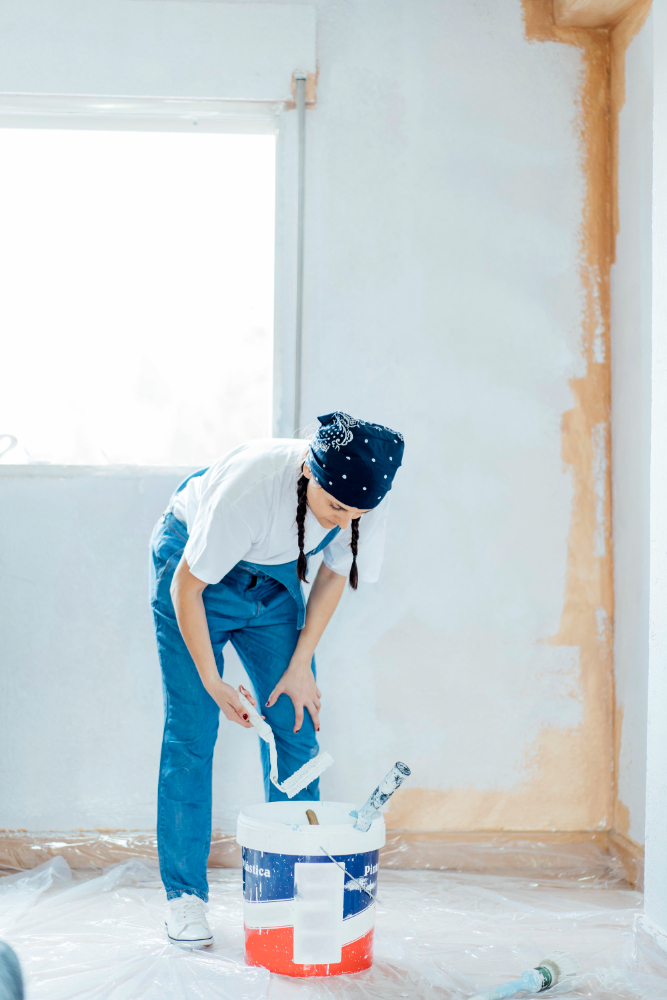
Knowing what to expect on paint day in Fairfield County sets the tone for the entire project. Homeowners who understand how a professional painting crew operates, what happens in each phase of the workday, and what their own role looks like during the process have smoother projects, fewer surprises, and better results than those who show up without that context.
In this article, you will learn exactly how paint day unfolds from crew arrival through final walkthrough, what to prepare before the crew gets there, and how to evaluate whether the work being done meets professional standards.
Here’s what you’ll find below.
- How to get your home ready the morning of paint day
- What the crew does from arrival through first coat
- What happens mid-project and how to handle questions or concerns
- What the final walkthrough looks like and what to check before signing off
Keep reading to understand every phase of a professional interior painting service so you can show up as an informed homeowner and get the most out of the day.
How do you actually get your home ready the morning of paint day?
Preparation on the homeowner’s side does not end with the pre-paint walkthrough. The morning of the project, a few focused tasks make a meaningful difference in how efficiently the crew can set up and begin work.
What to move, clear, and protect before the crew arrives
A professional painting crew will protect your floors and cover large furniture with drop cloths and plastic sheeting as part of their standard process. What they cannot do efficiently is work around personal items, wall decor, and fragile objects that were not cleared in advance.
The night before or early morning of paint day, complete the following:
- Remove all wall art, mirrors, clocks, and decorative hooks from every room being painted
- Take down curtain rods and window treatments where walls behind them are in scope
- Clear shelving units and move small furniture pieces to an adjacent room if possible
- Remove all outlet covers and switch plates and store the hardware in a labeled bag
- Place pets in a secure area away from the work zone for the full duration of the project
Crews working in professional house painters mode arrive ready to protect and paint, not to sort through a room’s worth of personal belongings. Clearing the space in advance compresses setup time and gets the first coat started earlier in the day.
What arrival actually looks like and what happens in the first hour
A professional crew’s first hour on site is almost entirely setup and prep, not painting. Homeowners who expect to see brushes moving immediately sometimes misread this phase as slow progress. It is the opposite. The quality of that first hour determines the quality of every coat that follows.
In a typical Fairfield County interior painting project, the first hour includes:
- A brief walkthrough with the lead painter to confirm scope, color assignments per room, and any surface conditions flagged during the estimate
- Laying canvas drop cloths on all flooring in the work area, with edges secured to prevent shifting
- Applying plastic sheeting over large furniture items that could not be removed
- Setting up the crew’s material station, typically in a central hallway or garage, with paints organized by room
- Applying painter’s tape at all ceiling lines, trim edges, and masking boundaries before any primer or paint is opened
This setup phase on a standard multi-room interior painting service project typically runs 45 minutes to 90 minutes depending on room count and surface complexity.
Should you stay home during the painting project?
This is one of the most common questions homeowners ask before paint day, and the answer depends on the scope of the project and your personal comfort level.
For single-day projects in a home where you are present, staying available but not underfoot is the right posture. You do not need to monitor the crew continuously, but being reachable for questions about color placement, scope clarifications, or unexpected surface conditions that come up during prep is genuinely helpful.
For multi-day projects, many Fairfield County homeowners choose to be away during peak work hours and return in the evening to review progress. If you plan to be away, establish a clear communication protocol with the lead painter before the crew starts, including a preferred contact method and a time window for daily progress updates. Clear communication from day one is a hallmark of quality full service interior painting and protects both parties throughout the project.
What does the crew actually do from setup through the first coat?
Once setup is complete, the work moves through a defined sequence that prioritizes surface quality over speed. Understanding that sequence helps homeowners recognize good process when they see it.
How spot priming and surface prep happens on the day of painting
Even on projects where pre-paint prep was completed in a prior visit, the painting crew will conduct a final surface check before applying any topcoat. This is standard practice, not a sign that earlier work was incomplete.
On paint day, surface prep typically includes:
- Spot priming any patched areas that were repaired since the last visit or that were missed during the initial prep phase
- Light sanding of any areas where compound has dried unevenly or where edges need feathering
- Wiping sanded areas with a tack cloth before priming to ensure dust does not contaminate the topcoat
- Applying a full primer coat in rooms where significant color changes, new drywall, or stain-blocking requirements were identified during the walkthrough
According to the U.S. General Services Administration’s Federal Paint Specification standards, proper surface preparation before topcoat application is the single factor most correlated with coating system longevity in interior residential environments. Crews that compress or skip this on-day prep phase are trading finish quality for speed.
For homes with existing fading interior walls or surfaces showing uneven sheen from previous paint jobs, spot priming and light sanding on the day of painting is especially important to ensure the new topcoat lays flat and reads consistently in natural light.
How the first coat goes on and what it should look like
The first topcoat on a freshly primed surface will rarely look finished. This is expected, not a problem. A single coat of even the highest-quality paint will show thin spots, roller texture, and some variation in coverage, particularly over patched areas or color transitions.
What you should observe during the first coat application:
- Consistent roller direction and overlap pattern, with no skipped areas or heavy buildup at edges
- Clean cut lines where wall color meets ceiling and trim, applied with a brush before rolling
- Even coverage across the full wall surface without pooling or heavy drips
- Painter working systematically from one end of the room to the other, not jumping between walls
What does not matter yet after the first coat: minor thin spots, slight texture visibility, and areas where the previous color still shows faintly. All of these resolve with the second coat when applied correctly over a fully dried first coat.
What to do if you notice something that does not look right
Paint day is not the time to stay silent about concerns. If you observe something during the project that looks incorrect, raise it with the lead painter before additional coats go on. Addressing a color mix-up or a coverage issue after two coats are dry is significantly more involved than catching it after the first.
Q: What if the color looks wrong on the wall? Paint colors shift significantly as they dry. A color that looks dramatically different wet is normal. Wait until the first coat is fully dry before making any judgment. If it still reads incorrectly after drying, compare it against the color chip and the paint can label before raising it with the crew.
Q: What if I see paint on my trim or floor? Small amounts of paint transfer during an active workday are normal and will be addressed during the cleanup phase. If you see significant drips on hardwood floors or paint bleeding past tape lines across large areas of trim, mention it to the lead painter so the source of the issue can be identified and corrected before it compounds.
Q: What if the crew needs to make a scope decision and I am not on site? This is why establishing a communication protocol before work begins matters. A professional crew will not make scope changes without homeowner approval, but they may encounter surface conditions, such as a hidden water stain or a wall cavity issue, that require a decision before work can continue.
What happens mid-project and how long should everything take?
Understanding realistic timelines and what normal mid-project activity looks like prevents the anxiety that comes from not knowing whether the project is on track.
Realistic timelines for interior painting in Fairfield County homes
Timeline depends on room count, surface condition, scope of trim and ceiling work, and whether the project includes specialty finishes. The ranges below reflect standard professional work on typical Fairfield County single-family homes.
- Single room, walls only: 4 to 6 hours including setup and cleanup
- Single room, walls plus trim and ceiling: 6 to 8 hours, often spanning two days to allow adequate dry time between coats
- Three to four room project, walls only: 2 full days
- Three to four room project with trim, ceilings, and doors: 3 to 4 days
- Whole-home interior repaint: 5 to 8 days depending on home size, surface condition, and finish complexity
Adequate dry time between coats is a non-negotiable factor in final coating performance. Latex paints require a minimum of two to four hours between coats under typical interior conditions, while oil-based products require up to 24 hours. Compressing that window to accelerate a project schedule compromises adhesion between coats and reduces the durability of the finished system.
For bedroom painting service projects that include detailed trim and molding work, the timeline extends because trim requires its own masking sequence, often a dedicated coat of primer, and precise cut work that cannot be rushed without visible consequences.
What the second coat phase looks like and why it matters
The second coat is where the finished result emerges. Applied over a fully dried first coat, it fills in any thin spots, evens out texture variation, and delivers the sheen and color depth specified in the product selection.
A professional crew applying a second coat should be working at a noticeably more deliberate pace than during the first coat. They are looking for holidays, which are industry shorthand for skipped or thin areas, correcting any edge irregularities from the first pass, and ensuring consistent sheen across the full wall surface.
Homeowners inspecting second-coat work should look for:
- Consistent sheen with no flat spots interrupting a satin or eggshell surface
- Clean, sharp edge lines at all masking boundaries
- No visible roller lines or lap marks in raking light
- Color that reads consistently from one wall to the next without value shifts
For rooms with accent wall painting as part of the scope, the accent wall typically receives its final coat last, after adjacent walls are fully dry, to prevent color transfer at shared corners.
How baseboard and trim work fits into the day’s sequence
Trim work, including baseboards, door casings, window frames, and crown molding, is typically completed after wall coats are dry to prevent wall paint from contaminating fresh trim and vice versa. On a one-day project, trim is often the last phase of the workday. On multi-day projects, trim may occupy its own dedicated half-day.
The baseboard painting service phase requires the most precise masking and brush work of any interior painting task. Experienced painters use an angled sash brush and work in long, smooth strokes along the trim profile, cutting a clean line against the floor and the wall without relying entirely on tape.
For homes in Wilton where baseboard painting includes detailed profile molding or built-up base assemblies, additional dry time between trim coats is standard practice to prevent sagging on vertical surfaces.
Semigloss is the standard specification for all interior trim surfaces, as it provides the durability and moisture resistance that high-contact surfaces require while creating the visual contrast against matte or eggshell walls that defines a finished, professional interior.
What does the final walkthrough look like and what should you actually check?
The final walkthrough is the most important ten minutes of the entire project. It is the homeowner’s formal opportunity to review the work before the crew leaves and to identify anything that needs to be addressed while the team is still on site.
How to conduct a thorough final inspection
A proper final walkthrough is not a quick glance around the room. It is a systematic review conducted under good lighting, ideally with a flashlight to create raking light conditions that reveal surface irregularities not visible in overhead lighting alone.
Checklist for a professional final walkthrough:
- Check all cut lines at ceiling, trim, and masking boundaries for straightness and bleed
- Inspect walls under raking light for holidays, roller texture variation, and sheen inconsistency
- Review all patched areas to confirm repairs are not telegraphing through the topcoat
- Examine trim surfaces for drips, brush marks, and coverage consistency
- Confirm all outlet covers and switch plates have been reinstalled
- Check floors and fixed surfaces for paint transfer or drips that were not cleaned up
- Verify that all colors match the specified selections by comparing walls to the original paint chips
For homes where coating paint restoration was part of the scope, inspect restored surfaces under direct light to confirm the finish reads consistently with surrounding areas without visible demarcation lines between restored and untouched sections.
What happens if you find something that needs correction
Finding a touch-up item or a minor correction during the final walkthrough is normal on any project. A professional crew expects this and treats it as a standard part of project close, not as a complaint.
Point out each item clearly and specifically. Rather than saying a wall looks uneven, identify the exact location and describe what you are seeing, whether it is a thin spot, a roller line, or a bleed at the ceiling line. Specific feedback allows the crew to address the issue precisely without repainting areas that are already correct.
A reputable painting company will not consider a project complete until the homeowner has signed off on the walkthrough. If corrections are needed that require additional dry time, such as a touch-up coat over a thin spot, the crew should schedule a return visit rather than applying wet paint over a still-drying surface to meet an arbitrary same-day deadline.
What to do after the crew leaves
The hours immediately after a painting project require a few specific actions to protect the finish and ensure the results hold up correctly over time.
- Allow a minimum of 24 hours before replacing furniture against freshly painted walls, even if the surface feels dry to the touch. Latex paint continues to cure and harden for up to 30 days after application, and pressure against walls during that window can leave permanent impressions.
- Wait at least 48 hours before washing any painted surface. Cleaning too soon removes paint film before it has fully cured.
- Reinstall curtain rods and wall hardware carefully, using the original anchor points where possible to avoid new holes in fresh paint.
- Store any leftover paint provided by the crew in a temperature-controlled space for touch-up use. Label each can by room and color name.
For homeowners planning a home office wall painting project or any space where furniture returns quickly, communicating the cure timeline to everyone in the household before the project completes prevents accidental damage to fresh surfaces in the first critical days.
Conclusion
Paint day is a well-defined process when you know what to look for at each stage. From the setup phase that determines surface quality, through the application sequence that builds coverage and sheen, to the final walkthrough that confirms the work meets professional standards, every step has a logic that homeowners can learn and apply.
Fairfield County homes vary considerably in age, construction type, and surface condition, which means no two paint days unfold identically. What stays consistent across every quality project is the sequence: protect, prep, prime, apply, inspect. Crews that follow that sequence without compression produce results that look sharp on day one and hold up through Connecticut’s seasonal extremes for years afterward.
Understanding the process also makes you a better client. Crews work best when homeowners are informed, available for questions, and prepared to conduct a real walkthrough at the end of the day rather than a perfunctory glance before signing off.
If you are planning an interior painting project in Fairfield County and want a crew that communicates clearly at every stage, reach out to Greenhaus Painting for a free estimate and find out what a well-run paint day actually looks like.

