
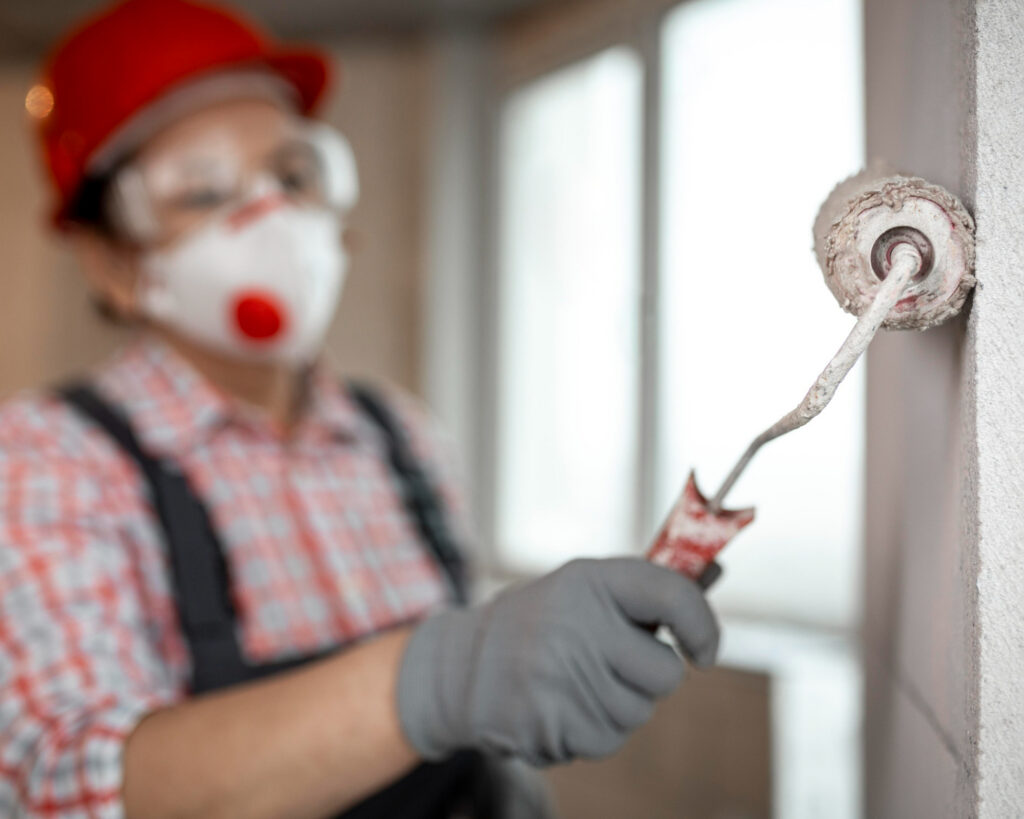
Baseboards painting service frame your floors and tie together the look of any room, but they also take constant wear from shoes, vacuums, and daily activity. Over time, scuffs, scratches, and dirt build up and make even well-maintained spaces look worn and unfinished. A fresh coat of paint on your baseboards can transform the entire feel of your home.
Professional baseboard painting services handle all the prep work, paint selection, and detailed application needed to give your trim a clean, lasting finish. These services are designed for homeowners updating their interiors, property managers maintaining rentals, or anyone who wants polished results without the time and hassle of doing it themselves.
This guide walks you through what professional baseboard painting involves, from surface preparation to the types of paint and finishes used. You’ll learn why this service matters for your home’s appearance and what you can expect when you hire experienced contractors to handle the job.
Here’s what you need to know:
- Why baseboard painting is essential for a finished interior look
- How professional baseboard painting services prepare trim surfaces
- Paint types and finishes used for baseboard painting
- Benefits of hiring professional baseboard painting contractors
- What to expect from a professional baseboard painting service
Whether you’re working with new baseboards or refreshing old trim, hiring a professional ensures consistent quality.
Why baseboard painting is essential for a finished interior look
Baseboards serve as the visual frame between your walls and floors, and their condition directly affects how polished your space appears. Fresh paint on baseboards protects them from daily wear while creating the clean lines that make a room feel complete.
How freshly painted baseboards improve room appearance
Painted baseboards create sharp, defined edges along your floors that draw the eye and make rooms look intentional. When your baseboards are freshly painted, they provide contrast against walls and flooring that helps define the space.
Clean baseboards in good condition make rooms appear brighter and more spacious. Chipped or yellowed trim pulls attention away from your walls and furniture, making even newly decorated spaces look dated.
The color of your baseboards matters too. White or light-colored baseboards reflect light and make rooms feel larger. Darker baseboards can add visual weight and create a more dramatic look when that matches your design goals.
The role of baseboards in protecting walls and flooring
Baseboards act as a physical barrier that absorbs impacts from furniture, vacuum cleaners, and foot traffic. Without properly maintained baseboards, your walls would show scuffs and dents near the floor.
Paint adds a protective layer to the wood or composite material of your baseboards. This coating shields against moisture from mopping, humidity, and occasional spills that can cause warping or rot.
According to the USDA Forest Products Laboratory, one of the main purposes of finishing wood is to restrict moisture movement from the surroundings, which supports keeping baseboards properly painted in areas exposed to mopping, humidity, or occasional spills.
The gap between your wall and floor needs protection from dust and debris. Baseboards cover this transition point and prevent dirt from settling into corners where walls meet floors.
Regular painting keeps this protective barrier intact. When paint chips or wears away, the underlying material becomes vulnerable to damage that costs more to repair than repainting.
Why trim painting completes an interior painting project
A room with freshly painted walls but worn baseboards looks unfinished. Your eyes naturally follow the lines where different surfaces meet, and neglected trim breaks the visual flow.
Professional painters know that trim work makes the difference between an amateur job and a polished result. The crisp line where your wall color meets your baseboard color shows attention to detail.
Baseboards tie together all the elements in a room. They connect your floor choice to your wall color and create continuity throughout your home when painted consistently.
When you invest in painting your walls, skipping the baseboards wastes that investment. The contrast between new wall paint and old trim actually makes the baseboards look worse than before.
Signs your baseboards need repainting
Visible wear patterns show up as dark marks where shoes scuff or furniture rubs against the trim. These marks resist normal cleaning and indicate the paint has worn through.
Yellowing happens over time as paint oxidizes and ages. White baseboards turn cream or beige, especially in rooms with less natural light.
Chipping or peeling paint exposes bare wood underneath. Once paint starts failing, moisture can penetrate and cause further damage.
Look for these additional warning signs:
- Cracks in the paint surface
- Rough or uneven texture
- Color that no longer matches your walls
- Gaps between the baseboard and wall that need caulking
If you see multiple signs of wear, your baseboards need attention. Repainting before damage spreads to the underlying material saves money and preserves your trim.
How professional baseboard painting services prepare trim surfaces
Professional painters follow a detailed preparation process that includes cleaning, sanding, filling gaps, and priming. These steps create a smooth surface that helps paint stick better and last longer.
Cleaning and removing dirt, dust, and old residue
Professionals start by cleaning all baseboard surfaces with a mild detergent mixed with warm water. They use soft cloths or sponges to wipe down every inch of trim, removing dust, grease, and any built-up grime. This step is critical because paint won’t stick properly to dirty surfaces.
For stubborn stains or residue, painters may use stronger cleaning solutions like TSP (trisodium phosphate). They pay special attention to areas near floors where dirt accumulates most. After cleaning, they let the baseboards dry completely before moving to the next step.
Any old paint drips or residue gets scraped off during this phase. Clean surfaces allow primer and paint to bond correctly with the trim.
Sanding and repairing scratches or damage
Sanding creates a smooth surface by removing imperfections like rough spots, dents, and old paint drips. Professional painters use fine-grit sandpaper to lightly sand the entire baseboard surface. This process helps new paint adhere properly and prevents chipping or peeling later.
They focus on areas with visible damage or uneven surfaces. Small scratches and dents get filled with wood filler or spackling compound. Once the filler dries, painters sand it flush with the surrounding surface.
The sanding step also slightly roughens glossy surfaces, which helps paint stick better. After sanding, painters wipe down the trim again to remove all dust particles.
Caulking gaps for smooth seamless edges
Professional painters apply caulk along gaps where baseboards meet walls and where trim pieces connect at corners. This creates clean lines and prevents paint from seeping into cracks. They use paintable latex caulk that matches the trim color or can be painted over easily.
Per the U.S. Department of Energy, caulk is used to seal air leaks through cracks, gaps, or joints less than one-quarter inch wide between stationary building components, which supports careful caulking where baseboards meet walls to improve both appearance and finish quality.
The caulking process requires a steady hand and proper technique. Painters cut the caulk tube tip at a 45-degree angle and apply a smooth, continuous bead along each gap. They then use a wet finger or caulking tool to smooth the bead and remove excess.
Caulked edges give your baseboards a finished, professional appearance. This step also helps protect against moisture and air leaks.
Priming baseboards for long-lasting paint adhesion
Primer acts as a bonding layer between the baseboard surface and the final paint coat. Professional painters apply a high-quality primer designed specifically for trim work. This ensures the paint adheres correctly and creates a durable finish that resists chipping.
They use brushes or small rollers to apply an even coat of primer to all baseboard surfaces. Primer also helps cover stains and creates a uniform base color, which means fewer topcoats are needed. Dark wood or previously painted surfaces especially benefit from priming.
Most professionals let the primer dry for at least a few hours or overnight before painting. This preparation step significantly extends the life of your baseboard paint job.
Paint types and finishes used for baseboard painting
The right paint makes baseboards last longer and look better in your home. Professional painters use specific paint types and finishes that stand up to daily wear while matching your room’s style.
Choosing durable paint for high-traffic areas
Baseboards take constant abuse from vacuum cleaners, shoes, and furniture bumps. You need paint that resists these daily impacts without showing damage.
Latex paint works best for most baseboard projects. It dries quickly, cleans up with water, and releases fewer fumes than oil-based options. Latex paint also flexes slightly with temperature changes, which prevents cracking over time.
According to the U.S. EPA, paints and varnishes can emit volatile organic compounds and indoor concentrations are often higher than outdoor levels, which supports choosing lower-VOC products for interior baseboard repainting service inside occupied homes
Oil-based paint creates an extremely hard surface that handles heavy wear. This type takes longer to dry and requires mineral spirits for cleanup. Many professional painters still choose oil-based formulas for baseboards in busy hallways and entryways where durability matters most.
Acrylic latex paint combines the best features of both types. It forms a tough surface like oil-based paint but cleans up easily and dries fast. This paint type resists yellowing better than traditional oil paints, keeping white baseboards bright for years.
Semi-gloss and gloss finishes for trim surfaces
The finish you choose affects both appearance and maintenance. Baseboards need finishes that you can wipe clean without damaging the paint.
Semi-gloss finish reflects light moderately and hides minor imperfections in the wood. This finish resists moisture and cleans easily with a damp cloth. Most painters recommend semi-gloss for baseboards because it balances shine with practicality.
High-gloss finish creates the shiniest surface and offers maximum durability. Gloss paint shows every bump and scratch in the wood, so your baseboards must be perfectly smooth before painting. This finish works well in modern homes where you want trim to stand out.
Flat and satin finishes don’t work well on baseboards. They absorb dirt and scuff marks that you can’t wash off without removing paint.
Color choices that complement walls and flooring
Baseboard color affects how your entire room looks. The right choice ties your walls and floors together.
White baseboards remain the most popular choice because they work with any wall color. Pure white creates crisp contrast, while off-white tones like cream or ivory soften the look. White also makes rooms feel larger and more open.
Matching your wall color creates a seamless appearance that works well in small spaces. This approach makes walls look taller and reduces visual breaks in the room. You should still use a glossier finish on baseboards than walls for contrast.
Contrasting dark colors like black, navy, or charcoal add drama to light-colored rooms. Dark baseboards hide dirt and scuff marks better than white. This choice works best when your flooring is also dark.
Wood-tone colors suit homes with natural or stained trim throughout. Match the stain color to other woodwork in your home for a cohesive look.
Moisture-resistant paint options for kitchens and bathrooms
Bathrooms and kitchens expose baseboards to water, steam, and humidity. Standard paint can peel or grow mold in these conditions.
100% acrylic latex paint blocks moisture better than other water-based options. This paint creates a tight seal that prevents water from reaching the wood underneath. Look for products labeled “kitchen and bath” or “moisture-resistant.”
Mildew-resistant additives stop mold and mildew growth on painted surfaces. Many bathroom paints include these additives already mixed in. You can also buy separate additives to mix into regular paint.
Oil-based paint naturally resists moisture penetration. The hard, non-porous surface keeps water from soaking through. This makes oil-based formulas ideal for baseboards near showers, tubs, and sinks.
Apply two or three coats in wet areas for maximum protection. Proper caulking between the baseboard and floor also prevents water damage.
Benefits of hiring professional baseboard painting contractors
Professional baseboard painting contractors bring specialized skills and proper equipment to deliver clean, lasting results. Their expertise prevents common mistakes like paint bleeding, uneven coverage, and surface damage that often occur with DIY attempts.
Achieving crisp lines between trim and walls
Professional baseboard painting contractors have mastered the technique of creating sharp, clean lines where your baseboards meet the walls. They use high-quality painter’s tape and apply it with precision to prevent paint from bleeding onto wall surfaces. This skill takes years to develop and requires a steady hand along with knowledge of how different paint types behave.
Professionals know exactly how much pressure to apply when brushing or rolling near edges. They understand paint viscosity and how to adjust their technique based on the surface texture. The result is a crisp boundary that looks intentional and polished.
Interior baseboard painting contractors also recognize when to cut in freehand versus when to use tape. This judgment comes from experience and helps them work efficiently while maintaining quality. A clean line between your trim and walls makes your entire room look more finished and professionally done.
Efficient painting without mess or damage
Professional contractors protect your floors, furniture, and walls before starting any work. They lay down drop cloths, use plastic sheeting, and carefully mask off areas that shouldn’t receive paint. This preparation prevents drips, splatters, and accidental damage to your belongings.
Professionals work systematically to avoid creating messes that require cleanup later. They know how to load their brushes and rollers properly to prevent excess paint from dripping. Their controlled application methods keep paint exactly where it belongs.
If removal of old baseboards is needed, skilled contractors can detach them without damaging your walls or the trim itself. They fill nail holes, sand surfaces smooth, and repair any imperfections before applying new paint. This careful approach protects your investment in your home.
Proper tools and techniques for smooth finishes
Interior baseboard painting contractors arrive with professional-grade brushes, rollers, and sprayers designed specifically for trim work. These tools cost more than basic supplies but create noticeably smoother finishes. Angled brushes help reach corners and edges that standard brushes miss.
Professionals understand surface preparation requirements for different baseboard materials. Wood, MDF, and vinyl each need specific primers and application methods. They sand between coats when necessary and know the right number of coats for full coverage.
The technique matters as much as the tools. Contractors apply paint in thin, even layers rather than thick coats that can drip or show brush marks. They work with proper lighting to spot imperfections immediately and correct them while the paint is still wet.
Saving time while getting professional results
Hiring professional baseboard painting services frees up your evenings and weekends for other priorities. What might take you several days of work, a trained contractor can complete in hours. They work efficiently because they’ve refined their process through hundreds of similar projects.
You avoid the learning curve of figuring out which products work best and how to apply them correctly. Professionals already know which primers seal stains, which paints provide the most durable finish, and how environmental factors affect drying times. This knowledge prevents costly mistakes that require starting over.
Professional contractors also carry liability insurance that protects you if accidents happen. Their work typically comes with guarantees that give you recourse if the finish doesn’t hold up as expected. This peace of mind has real value when you’re making decisions about your home.
What to expect from a professional baseboard painting service
Professional painters follow a structured process to deliver clean, lasting results. You can expect thorough preparation work, careful surface treatment, protection of your belongings, and a final review to ensure quality standards are met.
Initial inspection and project preparation
A professional trim and baseboard painting service begins with a detailed inspection of your baseboards. The painter examines the current condition of the trim, noting any damage, cracks, or areas that need repair. They assess the type of paint currently on the baseboards and determine what products will work best.
During this phase, you receive an estimate that outlines the scope of work. The painter explains the timeline, the materials they will use, and any special considerations for your project. They discuss color choices and paint finishes with you to ensure the final result matches your vision.
The team also identifies furniture that needs moving and areas that require extra protection. They plan the workflow to minimize disruption to your daily routine. This preparation ensures the project runs smoothly from start to finish.
Surface repairs and paint application process
Before any paint touches your baseboards, the team prepares the surfaces properly. They fill holes, cracks, and dents with wood filler or caulk. The baseboards get sanded to create a smooth surface that helps paint adhere better.
Professionals clean the trim thoroughly to remove dust, grease, and grime. They apply primer when needed, especially on bare wood or heavily stained areas. This step ensures the topcoat looks even and lasts longer.
The paint application involves multiple thin coats rather than one thick layer. This technique prevents drips, runs, and brush marks. Professional painters use quality brushes and rollers designed for trim work. They maintain a wet edge while painting to avoid lap marks and ensure a uniform finish.
Protecting floors and surrounding surfaces
Your floors and walls receive careful protection throughout the project. Professional painters lay drop cloths or plastic sheeting along all work areas. They use high-quality painter’s tape to protect walls where they meet the baseboards.
The team ensures that carpet edges stay clean by tucking protective materials underneath. For hardwood or tile floors, they use canvas drop cloths that won’t slip and cause accidents. This attention to detail means you won’t find paint splatter on your floors or walls after the job is complete.
Painters also protect nearby furniture, fixtures, and outlets. They work carefully to keep paint only on the intended surfaces.
Final walkthrough and quality inspection
Once the painting is complete, a professional baseboard repainting service includes a thorough inspection. The team examines every inch of the baseboards for missed spots, drips, or imperfections. They touch up any areas that don’t meet their quality standards.
You walk through the space with the painter to review the finished work. This is your opportunity to point out any concerns or areas you want addressed. Professional painters fix any issues immediately rather than leaving problems for you to discover later.
The team removes all protective materials and cleans the work area. They dispose of paint-related debris and leave your home in clean condition. You receive care instructions for your newly painted baseboards, including when it’s safe to clean them and what products to use.
Conclusion
Hiring a baseboard painting service brings professional results that transform your home’s interior. Trained painters have the right tools and experience to create smooth, even finishes that last for years.
Professional baseboard painters handle all the prep work for you. They clean surfaces, fill gaps, sand rough spots, and apply primer before painting. This saves you time and ensures better results than most DIY projects.
When searching for baseboard painters near me, look for companies with good reviews and proper insurance. Ask about their process, the paint brands they use, and how long the job will take.
Most professional services cost less than you might expect. The investment pays off through quality work that doesn’t need frequent touch-ups. You also avoid the hassle of buying supplies, moving furniture, and spending your weekends on tedious detail work.
Professional painters work efficiently and respect your home. They protect floors and furniture, clean up after themselves, and complete the job on schedule.
Fresh baseboards frame your rooms and tie together your interior design. They create a polished look that makes your entire home feel well-maintained and cared for.
Contact Greenhaus Painting to schedule baseboard painting service and give your interior trim a clean, durable finish that sharpens the look of every room.

