
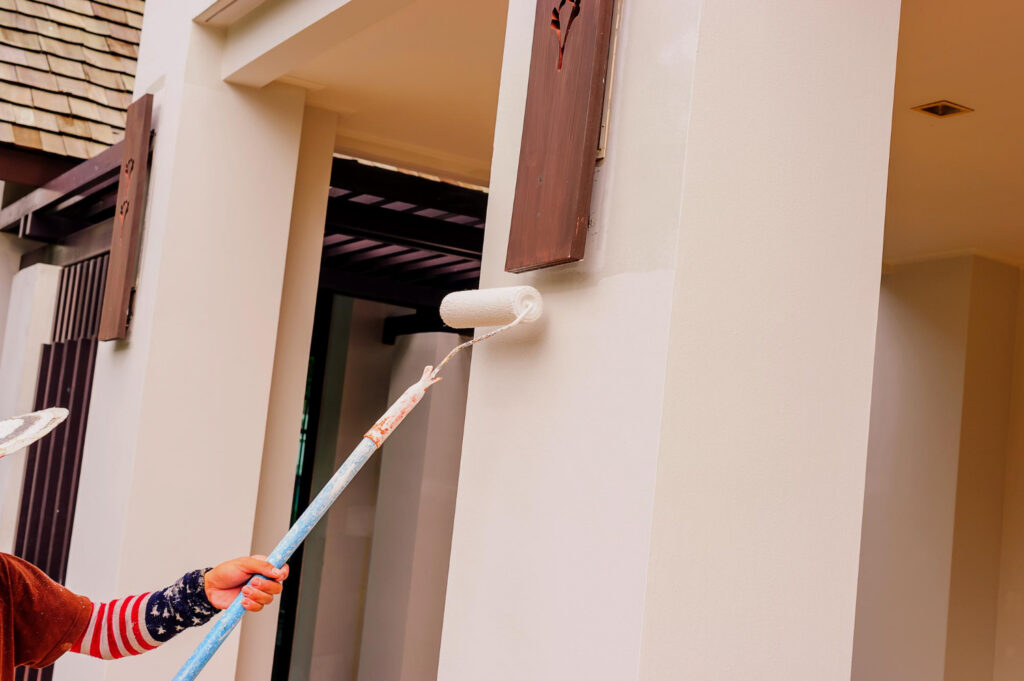
Understanding the exterior house painting timeline CT homeowners face can save you weeks of frustration and thousands in avoidable rework. Connecticut’s weather, older housing stock, and crew availability all shape how long your project really takes from start to finish.
Painting your home’s exterior is a major project that requires careful planning and realistic expectations about how long it will take. Most homeowners want to know when the work will start, how many days their house will be under construction, and when they can expect the final results.
In Connecticut, a typical exterior house painting project takes between 5 to 10 days, depending on your home’s size, current condition, and weather patterns. This timeline includes surface preparation, priming, painting, and cleanup. Understanding what affects this schedule helps you plan around the work and avoid surprises.
Your specific project timeline will vary based on several factors you need to consider before work begins. The size of your home matters, but so does the condition of your current paint and siding. Connecticut’s unpredictable weather can also delay work, especially during spring and fall when rain is more common.
In this article, we cover:
- Managing homeowner expectations about timeline
- How home size and condition affect the duration
- Impact of Connecticut weather on project scheduling
- Preparation techniques that improve paint lifespan
- Steps followed by professional painters
Keep reading to plan your project with realistic timelines, avoid weather setbacks, and know exactly what a professional crew should be doing on each day of the job.
Managing homeowner expectations about timeline
Most painting projects take longer than homeowners expect because preparation and repairs use up more time than the actual painting. Connecticut weather adds another layer of unpredictability that can extend timelines by several days or even weeks.
Prep work often takes longer than painting itself
The preparation phase typically takes 50-70% of your total project time. Your crew needs to power wash all surfaces, scrape off loose paint, and sand rough areas before any primer touches your walls.
This work cannot be rushed. Surfaces must dry completely after washing, which takes 24-48 hours depending on humidity levels.
Caulking around windows and doors takes significant time too. Each seam needs proper filling and smoothing to prevent water damage later. Your painters might spend 2-3 days just on prep work for an average 2,000 square foot home, while the actual painting takes only 2-4 days.
Older homes usually need extra surface repair
Homes built before 1980 often need additional work that adds days to your timeline. You might discover rotted wood trim that needs replacement or damaged siding that requires patching.
Lead paint removal is required by law on homes built before 1978. According to the U.S. Environmental Protection Agency, contractors performing renovation, repair, or painting work that disturbs lead-based paint in homes built before 1978 must be certified and follow specific lead-safe work practices to prevent contamination. This process involves special containment procedures and certified workers, which can add 1-2 weeks to your project.
Old caulk must be removed completely before applying new material. This scraping and cleaning process is slow and careful work. Your contractor might also find water damage behind old paint that needs repair before painting can begin.
Weather delays are common in Connecticut
Connecticut’s weather creates real challenges for exterior painting timelines. Rain stops work immediately because paint needs dry surfaces and cannot cure properly in moisture.
Weather conditions that delay painting:
- Rain or forecasted rain within 24 hours
- Temperatures below 50°F or above 90°F
- High humidity over 70%
- Strong winds that blow dust and debris
Spring and fall bring the most unpredictable weather patterns. Your project might pause for 2-3 days waiting for conditions to improve. Summer afternoon thunderstorms can halt work even on days that start sunny.
Paint needs 4-8 hours of dry weather after application to cure properly. Morning dew can delay start times by several hours.
How home size and condition affect the duration
The square footage of your home and the state of its exterior surfaces directly determine how many days your painting crew needs on site. A small ranch house in good shape takes far less time than a large colonial with peeling paint and wood rot.
Larger homes require more surface coverage time
Your home’s total square footage plays the biggest role in timeline length. A small home under 1,500 square feet typically takes 3 to 4 days to complete. Medium homes between 1,500 and 2,500 square feet usually need 5 to 6 days. Large homes over 2,500 square feet often require 7 to 10 days or more.
Painters can only cover a set amount of surface area per day. Even with a full crew, every additional 500 square feet adds roughly one extra day to your exterior paint job timeline.
The number of windows, doors, and trim pieces also matters. Homes with many architectural details require more cutting-in work and careful brushwork around edges.
Peeling or damaged siding slows the process
Surfaces in poor condition add significant time to your project. Paint that’s peeling or bubbling must be scraped and sanded before new paint goes on. This prep work alone can add 2 to 4 days to your timeline.
Wood rot or damaged siding boards need repair or replacement first. Your crew must remove bad sections, install new material, prime it, and let it dry completely.
Homes with mildew or dirt buildup require pressure washing and extra cleaning time. Bare wood areas need multiple primer coats before finish paint can be applied. Each primer coat must dry 24 hours before the next layer goes on.
Multi-story homes add safety and setup time
Two-story and three-story homes require scaffolding or tall extension ladders. Setting up and moving this equipment takes extra time throughout your project. Your crew spends more hours positioning scaffolding safely than they would working from ground level.
Working at height also slows down the actual painting process. According to the Occupational Safety and Health Administration, falls from scaffolds and ladders are among the leading causes of serious injuries in construction, which is why qualified crews follow strict setup, inspection, and tie-off procedures that add hours to a multi-story project. Reaching high peaks and gables requires special equipment setup for each section.
Connecticut weather becomes more critical on tall homes since wind affects ladder stability and paint application at higher elevations.
Impact of Connecticut weather on project scheduling
Connecticut’s climate directly affects how long exterior house painting takes and when contractors can work. Rain, temperature changes, and wind all determine whether paint will properly dry and bond to your home’s surfaces.
Rain and humidity affect paint drying time
Rain stops painting work completely. Paint needs dry surfaces to stick properly, and wet conditions prevent proper adhesion.
Most paints require at least 4-6 hours of dry weather after application. If rain comes too soon, you’ll see streaking, uneven color, or paint washing away entirely.
High humidity slows drying time even without rain. Connecticut’s summer humidity often reaches 70-80%, which can add several hours to each coat’s drying time. Paint applied in high humidity may take twice as long to cure compared to ideal conditions.
Moisture problems include:
- Blistering and bubbling in fresh paint
- Mold growth under paint layers
- Extended project timelines by 2-3 days
Contractors check weather forecasts carefully before starting work. They need at least a 48-hour window of dry weather for most exterior painting projects in Connecticut.
Temperature swings impact adhesion quality
Paint needs specific temperature ranges to bond correctly. Most exterior paints work best between 50°F and 85°F.
Connecticut temperatures drop quickly in spring and fall. A warm afternoon might turn into a cold evening, stopping the curing process. Paint applied below 50°F won’t form a proper film and may crack or peel within months.
Temperature requirements vary by paint type:
- Oil-based paints: 40°F to 90°F
- Latex paints: 50°F to 85°F
- Specialty formulas: 35°F to 90°F
Summer heat above 90°F causes problems too. Paint dries too fast in direct sun, creating lap marks and preventing proper leveling. Early morning or late afternoon work helps avoid these issues during hot months.
Wind can delay spray application work
Strong winds make spray painting impossible. Wind carries paint overspray onto cars, windows, landscaping, and neighboring properties.
Winds above 10 mph force contractors to switch from sprayers to brushes and rollers. This change adds 1-2 days to typical house painting duration Connecticut homeowners expect.
Light breezes under 5 mph actually help painting. They improve air circulation and speed drying time without causing overspray problems.
Connecticut’s spring winds are strongest, often gusting to 15-20 mph. Fall typically offers calmer conditions for spray work. Contractors schedule spray applications for calm morning hours when possible.
Preparation techniques that improve paint lifespan
Proper surface prep directly affects how long your exterior paint will last in Connecticut’s climate. Removing old paint, cleaning surfaces, and sealing gaps creates a stable base that helps new paint resist moisture, temperature swings, and UV damage.
Scraping and sanding remove failing paint layers
You need to scrape off any loose, peeling, or bubbling paint before applying new coats. Use a paint scraper or putty knife to remove sections that have lost adhesion to the surface. Work carefully around windows, trim, and siding edges where paint tends to fail first.
After scraping, sand the remaining paint to create a smooth transition between bare wood and existing layers. Use 80-grit sandpaper for rough spots and 120-grit for feathering edges. This step prevents visible ridges that show through new paint.
Pay special attention to south and west-facing walls that get more sun exposure. According to the National Renewable Energy Laboratory, south and west-facing surfaces in the northern hemisphere receive significantly more direct solar radiation throughout the year, which accelerates UV breakdown of paint binders and pigments on those walls. If you find bare wood, apply a primer designed for exterior use before painting.
Power washing is required before most jobs
Power washing removes dirt, mildew, pollen, and chalky residue that stops paint from bonding properly. Rent or buy a power washer with 1,500 to 2,500 PSI for most exterior surfaces. Higher pressure can damage wood siding or force water behind your exterior walls.
Hold the nozzle 12 to 18 inches from the surface and work from top to bottom. Use a fan spray pattern rather than a concentrated stream. Add a mild detergent or mildew cleaner for stubborn stains.
Wait at least 48 hours after washing before you paint. The surface must be completely dry or moisture will get trapped under your new paint and cause peeling within months.
Caulking gaps prevents future moisture damage
Apply exterior-grade caulk to seal gaps between trim and siding, around windows and doors, and where different materials meet. Use paintable acrylic latex caulk for most applications or polyurethane caulk for areas with more movement.
Cut the caulk tube tip at a 45-degree angle for better control. Fill gaps completely but avoid overfilling, which creates bulges. Smooth the bead with a wet finger or caulking tool before it skins over.
Check for gaps in corner boards, butt joints in siding, and where pipes or wires enter your home. These spots let water seep behind your siding and rot the wood underneath. Fresh caulk creates a waterproof barrier that extends your paint job by several years.
Steps followed by professional painters
Professional painters follow a structured approach that protects your home and ensures quality results. Each phase builds on the previous one to create a finish that lasts for years.
Inspection and setup come before any painting starts
Your painting crew arrives to inspect every surface that needs coating. They check for wood rot, loose siding, mildew, and any areas where old paint is peeling or cracking. This inspection determines what repairs you need and helps create an accurate timeline.
The crew then prepares your property for work. They lay down drop cloths to protect landscaping, walkways, and decks. Power washing removes dirt, debris, and loose paint from all exterior surfaces.
After washing, painters scrape away remaining loose paint and sand rough spots. They fill cracks with caulk and apply wood filler to damaged areas. Surface preparation typically takes 1-2 days on most homes but can extend longer if repairs are extensive.
Primer application adds protection and durability
Primer creates a bond between your siding and the finish coats. It seals bare wood, covers stains, and prevents moisture from entering the substrate. Your painters apply primer to all bare spots, repaired areas, and surfaces that need extra protection.
Raw wood, patches, and heavily weathered sections receive full primer coverage. Some materials like cedar or redwood need specialized primers that block tannin bleed-through.
The primer must dry completely before any topcoat goes on. Drying time ranges from 4 to 24 hours depending on temperature, humidity, and the specific product used.
Final coats require proper curing time
Professional painters apply two finish coats for complete coverage and maximum durability. The first coat goes on after primer has fully dried. This coat builds color depth and fills in any remaining texture variations.
Most quality exterior paints need 4-6 hours between coats in good weather. Your professional painters schedule the second coat only when conditions allow proper adhesion.
The final coat creates the protective barrier that shields your home from UV rays, moisture, and temperature changes. After application, the paint needs 24-48 hours to cure before heavy rain or extreme weather hits. Full curing takes 2-4 weeks, during which the paint hardens to its maximum strength and durability.
Conclusion
Planning your exterior house painting project in Connecticut requires understanding the full timeline from start to finish. You now know that most projects take between 3 to 10 days depending on your home’s size and condition.
Weather plays a big role in Connecticut. Rain, humidity, and temperature can add days to your schedule. You should plan your project for late spring through early fall when conditions are most stable.
The prep work takes up about half of your total project time. Scraping, sanding, priming, and repairs cannot be rushed. These steps determine how long your new paint will last.
You can expect to repaint your home every 7 to 15 years based on your siding type. Wood siding needs attention more often than vinyl or fiber cement. Proper preparation and quality paint extend this timeline.
Working with experienced painters helps you avoid delays and get accurate estimates. Professional crews handle weather challenges and complete work efficiently. They also provide warranties that protect your investment.
Your home’s exposure to sun, wind, and moisture affects both the project timeline and paint lifespan. South and west-facing walls typically need more attention during both painting and future maintenance. To get an accurate timeline and a clear scope for your specific home, request a free estimate from Greenhaus Painting and start planning your project on the right schedule.

