
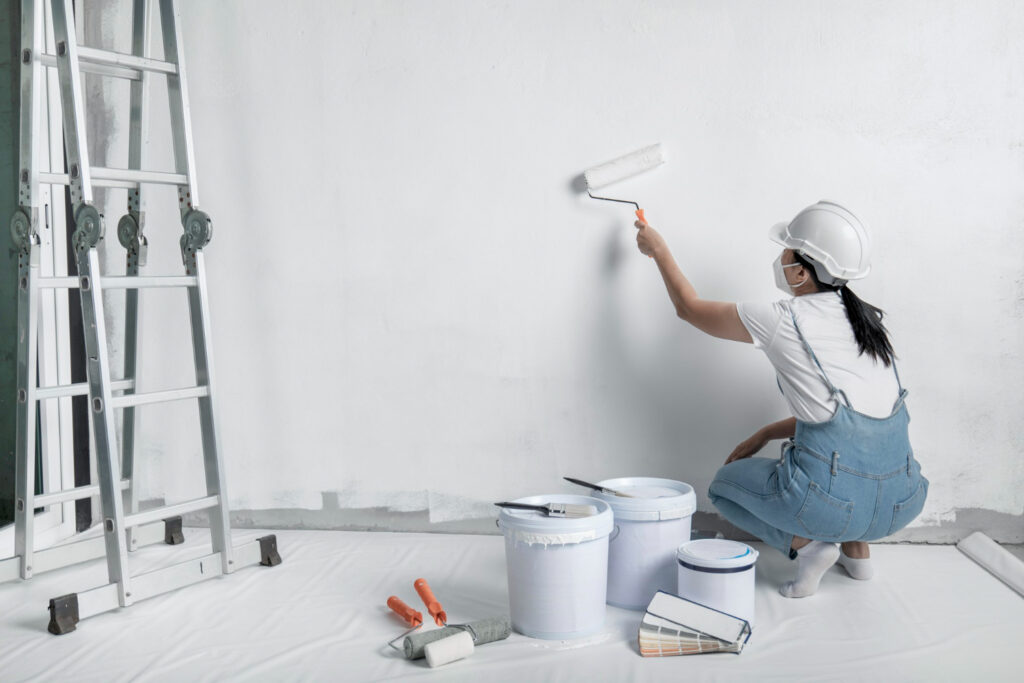
Painting your home’s interior can completely change how your space looks and feels without the need for expensive renovations. Modern interior painting solutions go beyond simply choosing a color. They include new techniques, better materials, and professional methods that create lasting results.
Modern painting approaches help you achieve a fresh, updated look while working within your budget and timeline. Today’s painting services offer more options than ever before. You can choose from specialty finishes, eco-friendly paints, and creative application methods that match your style.
Finding the right approach for your project depends on several factors. You need to consider your home’s layout, your design goals, and how much you want to spend. In this article, you’ll learn how modern interior painting solutions use contemporary techniques, updated materials, and innovative wall finishes to refresh your home’s interior.
Here’s what you’ll find below:
- Why choose modern interior painting?
- Innovative interior painting techniques
- Residential modern painting services
- Budget-friendly modern painting solutions
- Choosing the right painter for modern interiors
Professional painters can guide you through selecting colors, preparing surfaces properly, and using techniques that make your vision a reality.
Why choose modern interior painting?
Modern interior painting brings together current design trends, better materials, and expert techniques to create spaces that look good and function well. These updates can improve how your home feels, increase its market appeal, and give you more control over your living environment.
Benefits of contemporary styles and finishes
Contemporary interior painting uses advanced paint formulas that offer more than just color. Today’s paints include features like low-VOC and zero-VOC options that improve indoor air quality. They also resist stains, moisture, and mildew better than older products.
Modern finishes give you more choices for each room. Matte finishes hide wall imperfections and create a soft look. Satin and eggshell finishes work well in high-traffic areas because they’re easy to clean. You can also find specialty paints that resist scratches or provide a chalkboard surface.
The color options available now go beyond basic shades. You can pick from thousands of custom colors that match your furniture, flooring, and lighting. Contemporary styles often use neutral bases with bold accent walls or trim colors to add personality without overwhelming a space.
These paints last longer and need fewer coats to achieve full coverage. This saves you time and money on future repainting projects.
Enhancing home aesthetics with modern techniques
Modern painting techniques change how light moves through your rooms and how spaces feel. Accent walls draw attention to architectural features or create focal points in otherwise plain rooms. Color blocking uses geometric shapes and contrasting colors to add visual interest.
Ombre and gradient effects blend colors from light to dark, adding depth to walls. These work well in bedrooms and living areas where you want a calming atmosphere. Textured techniques like sponging or rag rolling add dimension without adding physical texture that collects dust.
The right color choices make small rooms feel larger and large rooms feel cozier. Light colors reflect more light and open up tight spaces. Darker colors on one wall can make a long narrow room feel more balanced.
Professional painters know how to prepare surfaces properly so paint adheres better and looks smooth. They understand which techniques work best with your lighting, furniture placement, and room function.
Increasing home value through innovative painting
Fresh paint ranks among the most cost-effective home improvements for return on investment. Buyers notice updated interiors immediately, and modern color choices signal that a home has been well maintained.
Neutral contemporary colors appeal to more potential buyers than outdated or highly personal color schemes. Grays, whites, and soft earth tones create a blank canvas that helps buyers picture their own belongings in the space. Strategic accent colors show design sophistication without turning people away.
Modern paint technology protects your walls from daily wear and tear. This means your walls stay looking newer for longer periods between painting jobs. Paint that resists fading from sunlight maintains its appearance in bright rooms.
Quality paint application prevents common problems like peeling, bubbling, and uneven coverage. These issues make homes look neglected and can reduce offers from buyers. Professional results using modern materials demonstrate attention to detail that carries value throughout your property.
Innovative interior painting techniques
Modern painting methods go beyond basic brush strokes to create visual interest and personality in your home. Textured finishes add depth to walls, while strategic color placement draws attention to architectural features, and newer paint formulations protect both your family’s health and the environment.
Textured and faux finishes
Textured finishes transform flat walls into dimensional surfaces that catch light and add character to any room. You can choose from techniques like sponging, which creates soft mottled patterns, or rag rolling, where twisted fabric leaves irregular impressions in wet glaze.
Venetian plaster gives walls a polished stone appearance with subtle variations in tone and shine. This technique involves applying multiple thin layers of plaster compound and burnishing the surface to create an elegant finish. Lime wash offers a more rustic look with a chalky, weathered texture.
Faux finishes let you mimic expensive materials at a fraction of the cost. Concrete effects work well in modern spaces, while wood grain techniques add warmth to accent areas without actual wood installation. Metallic glazes create shimmer and movement as light changes throughout the day.
Accent walls and color highlights
An accent wall anchors your room’s design by highlighting one surface with bold color or pattern. You should place accent walls behind beds, sofas, or fireplaces to emphasize these focal points naturally.
Color blocking divides walls into geometric sections painted in complementary or contrasting shades. This approach works particularly well in open floor plans where you need to define different zones without physical barriers. You can use painter’s tape to create clean lines between colors.
Popular accent wall approaches:
- Horizontal stripes – Make rooms appear wider
- Vertical stripes – Create the illusion of higher ceilings
- Ombré effects – Blend colors from dark to light
- Checkerboard patterns – Add graphic interest
Color highlighting on trim, molding, or architectural details draws attention to your home’s unique features. Dark colors on baseboards create grounding contrast against lighter walls.
Eco-friendly and low-VOC paint options
Low-VOC paints contain minimal volatile organic compounds, which means they release fewer harmful chemicals into your air during and after application. These paints reduce headaches, dizziness, and respiratory irritation that traditional paints can cause.
According to the U.S. Consumer Product Safety Commission (CPSC), paint-related fume hazards increase when ventilation is poor, and safer indoor painting relies on increasing fresh-air ventilation during application and drying (and following label directions), especially in occupied living spaces.
Zero-VOC formulas take this further by eliminating nearly all toxic emissions. You can occupy freshly painted rooms sooner because the smell dissipates within hours rather than days. These options now match the durability and coverage of conventional paints.
Natural paints use ingredients like clay, chalk, plant oils, and mineral pigments. Milk paint creates a flat, authentic finish perfect for vintage or farmhouse aesthetics. Clay-based paints regulate humidity naturally and feel breathable on your walls.
Recycled paint programs collect unused paint, reprocess it, and offer quality products at lower prices. Your color selection may be limited, but you reduce waste while saving money on your project.
According to the U.S. EPA, leftover paint is considered household hazardous waste in many communities, and EPA strongly recommends you do not pour household hazardous waste down the drain, on the ground, or into storm sewers—use local HHW collection or recycling options instead.
Residential modern painting services
Modern painting services for homes focus on updated techniques and careful planning to achieve clean, contemporary looks. Professional painters use specific methods for different rooms and provide expert color guidance while ensuring surfaces are properly prepared.
Bedrooms, living rooms, and common areas
Each room in your home requires different painting approaches based on how you use the space. Bedrooms benefit from calming paint applications that create relaxing environments, while living rooms often need durable finishes that can handle daily activity and natural light exposure.
Common areas like hallways and entryways need paint that resists scuffs and marks from foot traffic. Modern techniques include using washable paints with matte or eggshell finishes that hide imperfections while remaining easy to clean.
Professional painters apply multiple thin coats rather than single thick layers to achieve smooth, even coverage. This approach prevents drips and creates lasting results that maintain their appearance for years.
According to the Getty Conservation Institute, paint films can respond significantly to changes in temperature and relative humidity—they may soften or become sticky when warmer and turn more brittle at lower temperatures—which is why maintaining stable indoor conditions during drying/curing supports more consistent modern finishes.
Modern application methods:
- Spray application for uniform coverage on large walls
- Brush and roller combination for textured surfaces
- Taping techniques for crisp lines between colors
- Accent wall treatments using contrast colors or finishes
Custom color consultation for modern interiors
Color consultants help you select shades that match your lifestyle and design goals. They consider factors like room size, natural light, existing furniture, and architectural features to recommend colors that enhance your space.
Modern color palettes often feature neutral bases with bold accent colors. Gray, white, and beige tones provide flexible foundations that work with different decor styles. Consultants bring physical paint samples to your home so you can see how colors look in actual lighting conditions throughout the day.
They also explain undertones in paint colors. A white paint might have blue, yellow, or pink undertones that become visible depending on your lighting and surrounding colors.
Surface preparation for flawless modern finishes
Proper preparation determines the final quality of your paint job. Painters fill holes and cracks with spackle, sand surfaces smooth, and remove old paint that is peeling or damaged.
Standard preparation steps:
- Clean walls to remove dust, grease, and dirt
- Repair damaged drywall and trim
- Sand rough spots and previous paint drips
- Apply primer to bare surfaces and stains
- Caulk gaps between trim and walls
Modern painting requires extremely smooth surfaces since contemporary finishes show every imperfection. Painters use fine-grit sandpaper and multiple rounds of filling to eliminate bumps and ridges. They also prime walls with products designed for the specific top coat you have chosen, whether matte, satin, or semi-gloss.
Budget-friendly modern painting solutions
Modern painting doesn’t have to drain your savings account. Professional services now offer structured packages, upfront pricing, and quality materials that fit different budget levels.
Affordable packages for homeowners
Many painting companies create tiered packages that let you choose services based on your budget. Basic packages typically include wall preparation, primer application, and two coats of paint for standard rooms. Mid-tier options add features like trim painting, minor wall repairs, and upgraded paint brands with better coverage and durability.
Premium packages incorporate decorative techniques such as accent walls, textured finishes, or specialized coatings. You can mix and match services from different tiers to focus your budget on high-impact areas like living rooms or kitchens while keeping basic treatments for bedrooms or storage spaces.
Some companies offer seasonal discounts or bundle deals when you paint multiple rooms at once. This approach reduces setup costs and material waste, passing the savings directly to you.
Free estimates and transparent pricing
Professional painters should provide detailed written estimates that break down labor, materials, and additional charges. These estimates help you compare different contractors and understand exactly where your money goes.
A clear estimate includes:
- Square footage of surfaces to be painted
- Number of paint coats
- Type and brand of paint
- Surface preparation work needed
- Timeline for completion
- Payment schedule
Transparent pricing eliminates surprise fees that can inflate your final bill. Reputable contractors will visit your home to assess the space rather than providing rough quotes over the phone.
Maximizing value without compromising quality
You can reduce costs without sacrificing results by making strategic choices. Focus your budget on high-traffic areas where paint quality matters most, such as hallways and family rooms. These spaces need durable finishes that resist scuffs and stains.
Choose paint with built-in primer for walls in good condition. This combination product costs slightly more per gallon but eliminates the need for separate primer purchases and application time.
Cost-saving strategies that maintain quality:
- Paint only feature walls instead of entire rooms
- Use neutral colors that don’t require multiple coats for coverage
- Handle basic prep work yourself, like moving furniture and removing wall decorations
- Purchase mid-grade paint rather than economy or luxury options
Timing your project during off-peak seasons can also reduce labor costs. Many painters offer lower rates during slower winter months when demand decreases.
Choosing the right painter for modern interiors
Finding the right professional requires attention to their past work, what previous clients say about them, and how they handle project details from start to finish.
Reviewing portfolio and experience
A painter’s portfolio shows their actual skills and style range. Look for examples of modern interior work that matches what you want in your home. Clean lines, smooth finishes, and precise edges matter more in modern spaces than in traditional ones.
Ask to see projects with similar color schemes and room types. Professional interior painters who work on modern homes should show examples of matte finishes, accent walls, and geometric patterns. Check if they have experience with the specific techniques modern interiors often need.
Years in business matter, but recent work matters more. A painter who worked on traditional homes for 20 years might not understand modern design needs. Look for at least 3-5 years of focused modern interior work.
Client references and reviews
Past clients tell you what working with a painter is really like. Ask for at least three recent references from modern interior projects. Call them and ask specific questions about timing, cleanliness, and final results.
Online reviews on Google, Yelp, or Houzz give you a broader view. Look for patterns in feedback rather than single comments. Professional interior painters should have mostly positive reviews that mention good communication and quality work.
Pay attention to how painters respond to negative reviews. Good contractors address problems professionally and explain how they fixed issues. Red flags include no references, refusing to share contact information, or reviews that mention incomplete projects.
Communication and project planning for modern projects
Clear communication starts with the first meeting. A good painter asks about your vision, measures carefully, and explains their process. They should understand modern design terms and suggest paint types that work for your goals.
Request a detailed written estimate that breaks down costs by room, materials, and labor. Professional interior painters provide timelines with specific start and end dates. They should explain prep work, number of coats, and drying times.
Updates during the project keep you informed. Ask how often they will check in and who handles questions. Modern projects often involve multiple rooms or open floor plans, so coordination matters more than simple single-room jobs.
Conclusion
Modern interior painting solutions give you the power to change your living spaces in meaningful ways. The right paint choices can make rooms feel larger, brighter, or more welcoming.
You now have access to paint products that do more than just look good. New formulas resist stains, last longer, and improve air quality in your home. These advances make painting a practical investment, not just a design choice.
Color affects how you feel in your spaces. Neutral tones create calm environments. Bold colors add energy and personality. You can mix both approaches to match your lifestyle and needs.
Modern painting techniques let you create texture and depth on your walls. You don’t need to settle for flat, plain surfaces anymore. Simple tools and methods can help you achieve professional results.
Your home reflects who you are. Paint gives you an affordable way to update your space without major renovations. Start with one room to test colors and techniques. You can always expand your project as you gain confidence.
The tools, products, and information you need are readily available. Take time to plan your color scheme and prepare your surfaces properly. These steps will help you get results that last.
Schedule a modern interior painting consultation with Greenhaus Painters to review finish options (matte/eggshell/satin), confirm the prep required for clean contemporary results, and get a written estimate for any accent walls or innovative wall finishes you want to include.

